
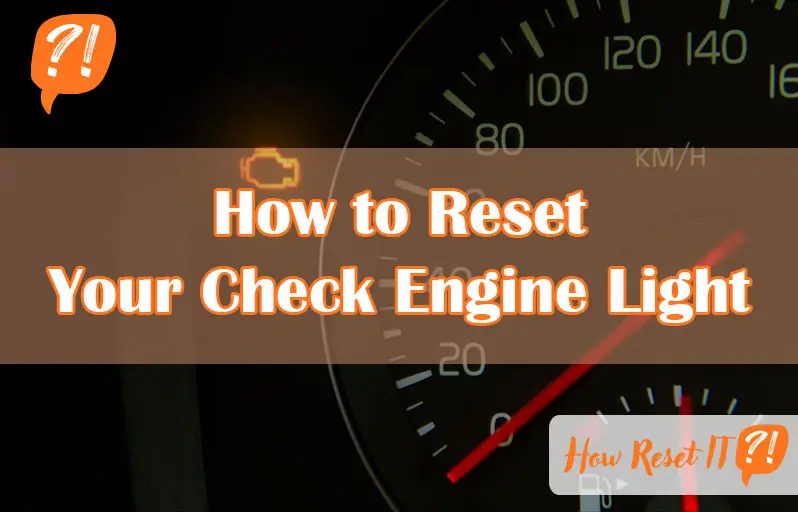
Your check engine light just came on, and now you’re wondering what to do next. Should you panic?
Take your car to a mechanic right away? Or is there an easy way for you to reset the light yourself? The truth is, sometimes the check engine light is triggered by a simple issue like a loose gas cap, and you can fix it quickly without spending a dime.
But other times, it signals something more serious that needs attention. You’ll learn practical, step-by-step methods to reset your check engine light safely and effectively. You’ll also discover why simply turning off the light isn’t always the best solution, and what you should check before hitting that reset button. Keep reading, because understanding how to handle your check engine light could save you time, money, and stress.
Signs Your Light Needs Resetting
The check engine light signals your car’s computer has detected an issue. Knowing when to reset it saves time and prevents further damage. The light may stay on even after the problem is fixed. Other times, the light may flicker or turn off by itself.
Watch for patterns in the light’s behavior. Not all alerts need an immediate reset. Some signs mean you should reset the light to keep your car running smoothly.
Common Causes
A loose or missing gas cap often triggers the check engine light. Faulty oxygen sensors and spark plugs are other common reasons. Problems with the catalytic converter also cause the light to come on. Sometimes, the issue is a bad mass airflow sensor or engine misfire.
Small issues like a loose gas cap can be fixed quickly. Bigger problems need repair before resetting the light. Resetting without fixing can cause the light to return soon.
When To Reset
Reset the light after repairing the fault that caused it. The engine runs well, and no unusual noises or smells appear. The light stays on after you tighten or replace the gas cap. The light blinks briefly but then turns off after starting the car.
Use a diagnostic tool or simple reset methods only if you know the cause. If the light returns after resetting, check the car again. Ignoring the light may lead to costly repairs later.
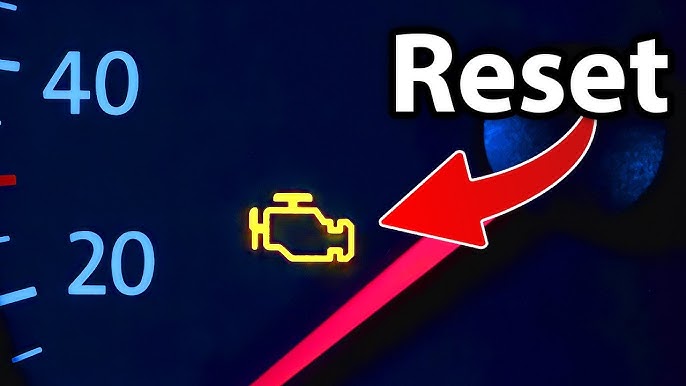
Using An Obd-ii Scanner
Using an OBD-II scanner is the most reliable way to reset your check engine light. This device connects to your car’s computer and reads the diagnostic trouble codes. These codes show what caused the light to turn on. After fixing the issue, the scanner can clear the codes and turn off the light.
OBD-II scanners are easy to use. They help you understand the problem before resetting the light. This ensures the issue is solved and the warning won’t come back.
Finding The Port
Locate the OBD-II port under the dashboard on the driver’s side. It is usually near the steering column. The port looks like a small trapezoid with 16 pins. Some cars hide it behind a cover or near the fuse box. Use a flashlight if needed to see it clearly.
Reading Error Codes
Plug the scanner into the OBD-II port. Turn the ignition key to the ON position but do not start the engine. Follow the scanner’s instructions to read the error codes. The device will display one or more codes. Write these codes down or take a picture for reference. These codes explain what part or system caused the check engine light.
Clearing Codes
After fixing the problem, use the scanner to clear the codes. This will reset the check engine light. Most scanners have a “Clear Codes” or “Erase Codes” button. Press this button and wait a few seconds. The light should turn off. If the light comes back on after driving, the problem may still exist or a new issue appeared.
Battery Disconnect Method
The Battery Disconnect Method is a simple way to reset the check engine light. It works by cutting power to the car’s computer. This forces the system to reboot and clear error codes temporarily. This method can be done at home without special tools. It is quick and effective for minor alerts. However, it does not fix the underlying problem that caused the light.
Steps To Disconnect
- Turn off the vehicle and remove the key from the ignition.
- Open the car’s hood and locate the battery.
- Use a wrench to loosen the negative battery terminal clamp.
- Remove the negative cable from the battery post carefully.
- Wait for about 15 minutes to let the system reset.
- Reconnect the negative cable and tighten the terminal clamp.
- Close the hood and start the vehicle to check the light.
What It Resets
This method clears the stored error codes in the engine control unit (ECU). It resets the check engine light and related warning signals on the dashboard. The car’s computer loses all temporary memory, including learned driving habits. This may cause the engine to run roughly for a short time after the reset. The light will come back if the underlying issue is not fixed. The Battery Disconnect Method does not repair faults or sensor problems.
Fuse Pull Reset
The fuse pull reset is a straightforward way to reset your check engine light. It involves removing a fuse to cut power to the car’s computer. This action resets the system and clears the warning light. This method works well if you want a quick reset without special tools.
Before starting, make sure your car is off and the keys are out of the ignition. Safety first. The fuse pull reset is simple but requires attention to detail.
Locating The Fuse
Open your car’s fuse box. It is often under the dashboard or in the engine bay. Check the owner’s manual to find the exact location. Look for a fuse labeled “ECU,” “ECM,” or “Engine Control.” This fuse controls the engine’s computer system. Use the manual to identify the right fuse to remove.
Reset Procedure
Once you find the correct fuse, use a fuse puller or needle-nose pliers to remove it. Wait about 10 to 15 minutes to let the system fully reset. Reinsert the fuse back into its slot carefully. Close the fuse box and start your car. The check engine light should be off if the reset worked. If the light stays on, the problem may need further diagnosis.
Ignition Cycle Reset
The ignition cycle reset is a simple way to try clearing your check engine light. This method uses the car’s ignition switch to reset the system without tools. It works by turning the key on and off in a specific pattern. This can help if the light is on due to minor or temporary issues.
Many drivers find this method quick and easy. It does not require special skills or equipment. The ignition cycle reset can sometimes clear error codes stored in the car’s computer. This allows the vehicle to run normally if the problem was minor or fixed.
Turning Key On And Off
To perform the ignition cycle reset, start by turning the key to the “On” position. Do not start the engine. Hold the key in this position for about five seconds. Then, turn the key back to “Off.” Repeat this on-off cycle three to five times. Finally, start the engine and check if the light is off.
This process helps reset the car’s computer by refreshing its system. It also gives the sensors a chance to recalibrate. Some cars need the key to be turned on and off within a short time frame. Follow your vehicle’s manual for the exact timing.
Effectiveness
This reset works best for small issues, like a loose gas cap or a temporary sensor glitch. It may not clear the light if there is a serious problem. The check engine light might come back after a few drives if the issue remains. Use this method as a first step before seeking professional help.
Keep in mind, this reset does not fix the root cause. It only clears the warning temporarily. For safety and proper car care, diagnose the problem fully. Use an OBD-II scanner or visit a mechanic if the light stays on.
Gas Cap Check
The gas cap might seem small, but it plays a big role in your car’s system. A loose or damaged gas cap can trigger the check engine light. Checking it is a simple step you should try before anything else.
Why It Matters
The gas cap seals the fuel tank and stops gas fumes from escaping. When it is loose or broken, the car’s computer detects a leak. This sets off the check engine light to warn you. Fixing the gas cap issue often turns the light off by itself.
How To Tighten Properly
Turn the gas cap clockwise until it clicks at least three times. This ensures a tight seal without over-tightening. Avoid forcing it too hard to prevent damage. After tightening, start your car and see if the light goes off after a few drives.
When Resetting Isn’t Enough
Resetting your check engine light may seem like a quick fix. Sometimes, the light turns off but soon comes back on. This means the underlying problem is still there. Ignoring it can lead to bigger and costlier issues. Understanding what to do when resetting isn’t enough keeps your car running safely and smoothly.
Diagnosing Underlying Issues
The check engine light signals a problem with your car. Resetting the light only clears the warning temporarily. The real issue needs to be found and fixed. Using an OBD-II scanner helps identify specific error codes. These codes tell you what part of the car needs attention. A mechanic can also diagnose the problem if needed. Proper diagnosis stops damage and saves money in the long run.
Avoiding Recurring Lights
Fixing the root cause prevents the check engine light from coming back. Regular maintenance helps keep your car healthy. Check important parts like the gas cap, sensors, and spark plugs. Replace worn-out components promptly. Driving habits also affect car health. Avoid harsh acceleration and keep up with oil changes. These steps reduce the chance of repeated warning lights. A well-maintained car runs better and lasts longer.
Impact On Emissions Testing
Resetting your check engine light affects emissions testing results. The car’s computer needs time to reset sensors. Emissions tests rely on these sensors for accurate readings. If sensors haven’t recalibrated, the test may fail. Understanding this impact helps you prepare for testing.
Sensor Recalibration Time
The car’s sensors need time to recalibrate after a reset. This process can take several drive cycles. Each cycle involves starting, running, and turning off the engine. During this time, sensors collect data to monitor emissions. Rushing to a test may show incomplete data. Wait at least a few days or 50 miles of driving.
Passing Tests After Reset
Passing emissions tests right after resetting can be difficult. The car’s system may not be ready to provide accurate results. Incomplete sensor data triggers warnings or test failures. Allow the car to complete its self-check routines first. Driving normally helps the system verify all functions. After recalibration, the chance of passing the test increases.
Frequently Asked Questions
Can I Reset The Check Engine Light Myself?
Yes, you can reset the check engine light yourself using an OBD-II scanner or simple ignition cycling methods. Fix the issue first.
How To Clear Check Engine Light Without Disconnecting Battery?
Use an OBD-II scanner to read and clear codes without disconnecting the battery. Fix issues before resetting the light. Alternatively, try turning the ignition on and off three times quickly to reset some vehicles.
Can Autozone Reset Engine Light?
AutoZone can reset your engine light using an OBD-II scanner after diagnosing the issue. Fix the problem first; then clear the code. This helps ensure the light stays off.
How To Make A Check Engine Light Disappear?
Use an OBD-II scanner to read and clear error codes after fixing issues. Tighten the gas cap or cycle the ignition on/off three times. Disconnecting the battery or removing the ECU fuse can also reset the light, but fix the problem to prevent recurrence.
How Can I Reset My Check Engine Light At Home?
Use an OBD-II scanner to read and clear codes after fixing the issue.
Conclusion
Resetting your check engine light is simple with the right steps. Always find and fix the problem first. Using a scanner gives the most accurate reset. Small fixes like tightening the gas cap can help. Remember, clearing the light doesn’t always mean the issue is gone.
Drive carefully and watch for the light’s return. Regular checks keep your car running smoothly and safely. Stay informed, stay safe, and keep your vehicle in good shape.