
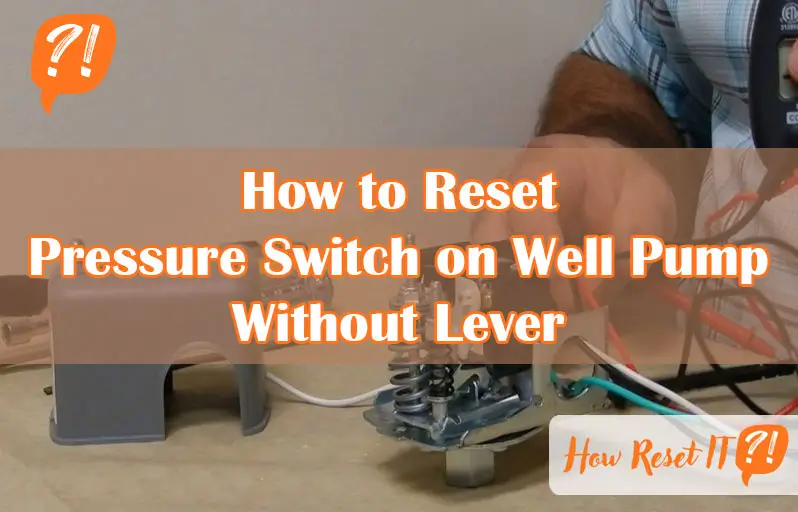
Is your well pump pressure switch stuck, and you don’t see a lever to reset it? Don’t worry—you’re not alone, and you can fix this yourself without calling a pro.
When your well pump won’t start or keeps shutting off, it’s often because the pressure switch needs a manual reset. But if your switch lacks the usual lever, it might seem tricky. The good news is, there’s a simple way to reset it safely and get your water flowing again.
In this guide, you’ll learn exactly how to reset your well pump pressure switch without a lever, step by step. You’ll discover how to turn off the power safely, access the switch’s internal parts, and manually trigger the contacts to restart your pump. Plus, we’ll cover common problems that might stop your pump from resetting and what to do next. Keep reading—you’ll have your well pump working smoothly again before you know it!
Safety First
Safety is the top priority before resetting the pressure switch on a well pump without a lever. Working with electrical components can be dangerous. Always ensure power is completely off before touching any parts. This simple step protects you from electric shock and injury.
Follow each safety step carefully. Never rush the process. Proper precautions help avoid accidents and damage to your equipment.
Locate The Breaker
Find the circuit breaker that controls your well pump. It is usually in your main electrical panel. Switch the breaker to the OFF position. This stops electricity flow to the pump and pressure switch. Confirm the power is off by testing with a voltage tester or a non-contact electrical tester.
Remove The Switch Cover
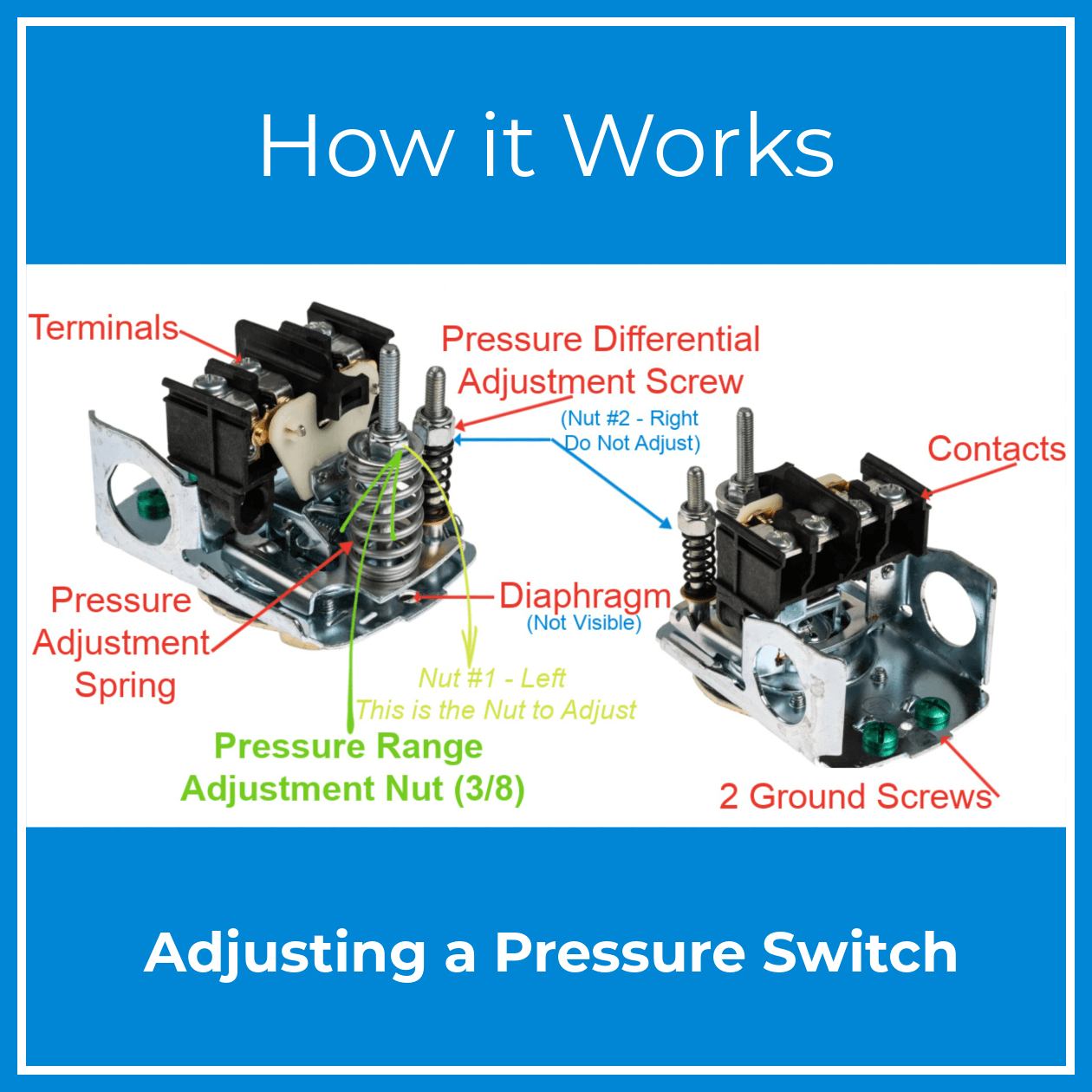
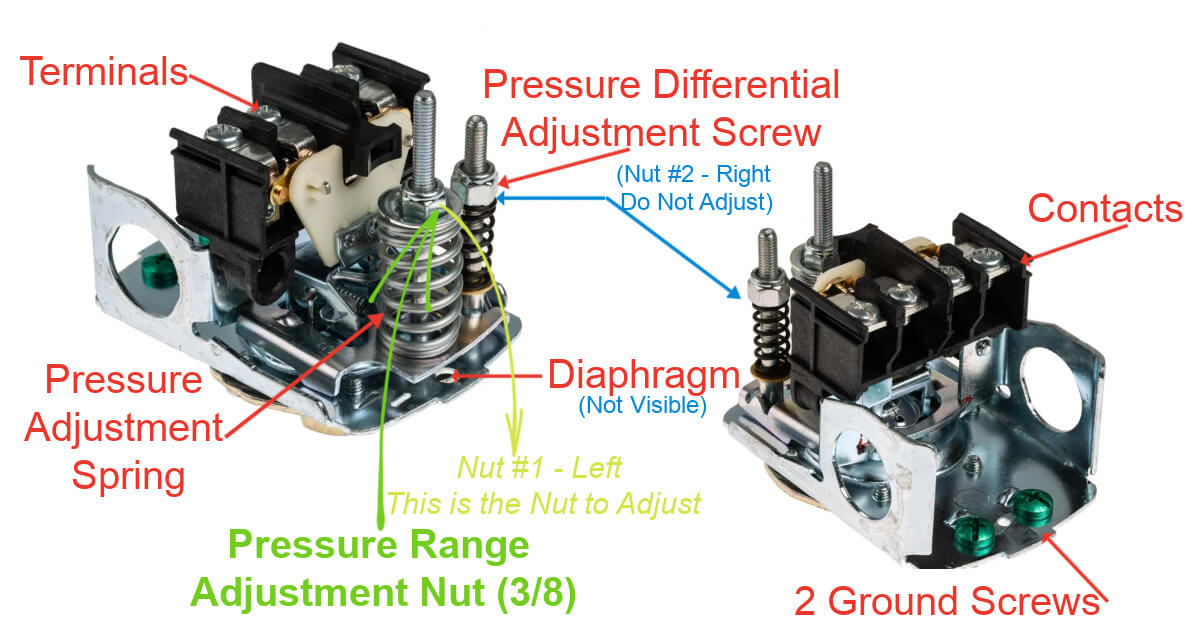
After turning off the breaker, remove the pressure switch cover. This cover protects the internal parts. Use a screwdriver if screws hold it in place. Be gentle to avoid breaking the cover. Removing the cover gives you access to the diaphragm and contacts inside the switch.
Manual Reset Method
The manual reset method helps you restart a well pump pressure switch without a lever. This method requires careful steps to avoid damage. It is useful when the switch trips due to low pressure or power issues. Follow the guide below to reset the switch safely and effectively.
Identify Contact Points
First, locate the pressure switch on your well pump. Remove the cover carefully to expose the internal parts. Look for the contact points or diaphragm inside. These are the parts you will manually reset. Handle them gently to avoid bending or breaking.
Energize The Pump
Next, press the diaphragm or hold the contacts together to close the circuit. This action simulates the lever reset. It will send power to the pump motor to start building pressure. Keep the contacts closed for a few seconds until the pump begins to run.
Release And Restore Power
After energizing the pump, release the contacts or diaphragm slowly. Replace the pressure switch cover to protect the parts. Turn the power back ON at the breaker. This restores normal operation and lets the pump maintain pressure automatically.
Check Pump Operation
Finally, observe the pump running smoothly. Listen for steady motor sounds and watch the pressure gauge rise. If the pump does not start or pressure stays low, check the water tank and pump priming. These issues can prevent the pump from working even after reset.
Troubleshooting Switch Issues
Troubleshooting a well pump pressure switch without a lever can be tricky. The switch may not reset due to other issues in the system. It helps to check common problems like blockages or tank conditions. This section guides you through simple steps to diagnose and fix these issues. Each step can improve your pump’s performance and reset the pressure switch effectively.
Clear A Plugged Nipple
The nipple connects the pressure switch to the water line. Dirt or debris can block this small pipe. A plugged nipple stops the switch from sensing pressure changes. To clear it, turn off the power first. Then remove the nipple carefully. Use a thin wire or compressed air to clear any blockage. Reattach the nipple and test the switch again.
Prime The Pump
A pump without water cannot build pressure. This can cause the pressure switch to stay off. Priming fills the pump with water to start working. Turn off the power. Open the pump’s priming plug and add water until full. Close the plug tightly. Turn on the power and watch if the pump runs smoothly. Proper priming helps the switch reset correctly.
Check For Waterlogged Tank
A waterlogged tank has no air cushion to balance pressure. This causes the pump to cycle rapidly or not start. To check, tap the tank. A dull sound means water only inside. If so, drain the tank completely. Then refill with air to the recommended pressure. This restores the air cushion and helps the pressure switch work normally.
When To Call A Pro
Knowing when to call a professional can save time and avoid damage. Some issues need expert tools and skills. Attempting repairs beyond your knowledge risks safety and system failure.
Below are signs that indicate it is best to get professional help for your well pump pressure switch.
Persistent Pump Failure
If your pump does not start after several reset attempts, a deep issue may exist. Professionals can diagnose electrical or mechanical faults quickly.
Pressure Switch Damage
Visible corrosion, broken parts, or burnt contacts on the switch require expert replacement. Do not attempt to fix damaged switches yourself.
Unusual Noise Or Vibrations
Strange sounds or shaking from the pump system often signal internal problems. A technician can inspect and repair these safely.
Water Pressure Drops Frequently
Frequent pressure loss may indicate a waterlogged tank or leaks. Experts use tools to test and fix the root cause efficiently.
Electrical Safety Concerns
Any signs of sparks, burning smells, or tripped breakers suggest electrical hazards. Contact a licensed electrician or well pump specialist immediately.
Complex Plumbing Or Wiring
If your system has complicated wiring or plumbing, professional service avoids mistakes. They ensure proper setup and compliance with local codes.
Frequently Asked Questions
How To Reset Well Pump Pressure Switch Without Lever Well Water?
Turn off power at the breaker. Remove the pressure switch cover. Gently press the diaphragm or hold contacts closed to start the pump. Release and restore power. The pump should reset and cycle normally.
Is There A Reset Button On My Well Pump?
Most well pumps do not have a dedicated reset button. To reset, turn off power, open the pressure switch cover, and manually close the contacts or press the diaphragm. Restore power and the pump should restart. Always ensure safety by switching off the breaker first.
Why Is My Well Pressure Switch Not Kicking On?
Your well pressure switch may not kick on due to power issues, a stuck or dirty switch, a waterlogged pressure tank, or pump priming problems. Check the breaker, clean or reset the switch manually, and ensure the pump is properly primed to restore normal operation.
How To Get A Pressure Switch Unstuck?
Turn off power at the breaker. Remove the switch cover. Gently press the diaphragm or contacts to free the switch. Clean clogged tubing if needed. Restore power and test the pump.
How Do I Reset A Well Pump Pressure Switch Without A Lever?
Turn off power, remove the switch cover, and gently press the diaphragm or contacts to reset.
Conclusion
Resetting a pressure switch without a lever is simple with care. Always start by turning off power for safety. Removing the switch cover gives access to the contacts or diaphragm. Gently pressing the right part helps restart the pump and restore water pressure.
If resetting fails, check the tank and pump for other issues. Regular maintenance can prevent future problems. Following these easy steps keeps your well pump working smoothly. Remember, patience and safety make the process easier and safer.