
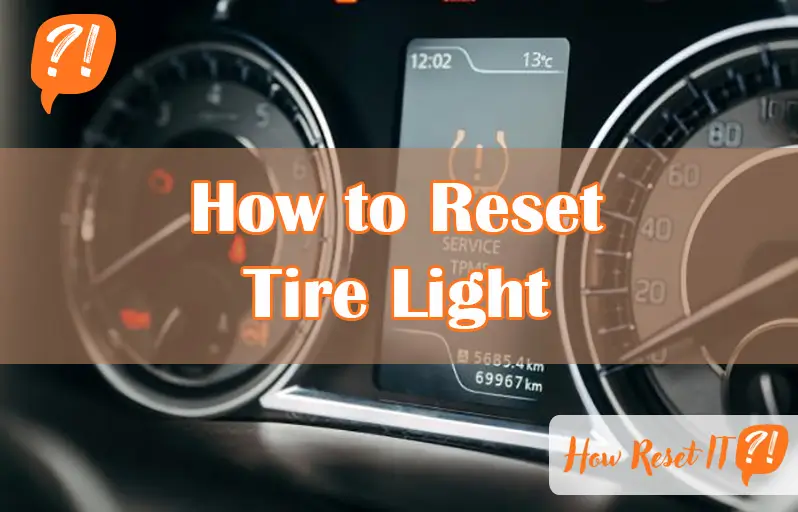
Is your tire pressure light stubbornly staying on even after you’ve filled your tires? You’re not alone, and it can be frustrating trying to figure out why.
That little warning light isn’t just a nuisance—it’s your car telling you something important about your tires. The good news is, resetting that light is usually easier than you think. In this guide, you’ll discover simple, step-by-step ways to reset your tire pressure light yourself, understand why it might still be on, and know exactly when it’s time to seek professional help.
Keep reading to get your tire light back to normal and drive with confidence again.

Reasons Tire Light Stays On
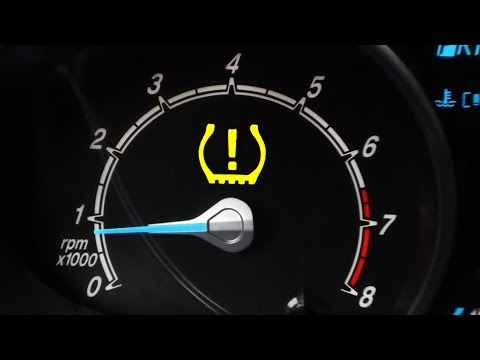
The tire pressure light staying on can be confusing and frustrating. It signals an issue with your tire pressure monitoring system (TPMS). Understanding why the light stays on helps you fix it quickly. Several reasons cause this warning light to remain active. Some are simple fixes, while others need professional help.
System Needs Driving Reset
The TPMS sometimes needs a short drive to reset. After inflating tires, the system must detect the correct pressure. Driving a few miles at speed usually clears the light. The sensor recalibrates during this time. Patience can save unnecessary trips to a mechanic.
Slow Tire Leak
A slow leak causes the tire to lose air gradually. This drop triggers the tire light again after inflation. Tiny punctures or valve issues often cause leaks. Check tires for damage or nails. Regular inspections can prevent this problem.
Faulty Sensor Or Battery
Each tire has a sensor with a small battery. These batteries wear out after several years. A dead sensor battery causes the light to stay on or flash. Faulty sensors need replacement or recalibration. A flashing tire light usually means sensor trouble.
Incorrect Tire Pressure
Incorrect pressure in any tire can keep the light on. The spare tire might also affect the system if it has low air. Always check all tires with a reliable gauge. Match the pressure with the recommended PSI on the driver’s door sticker.
Temperature Effects
Cold weather causes air to contract inside the tires. This contraction lowers the pressure and can trigger the tire light. Temperature changes affect tire pressure daily. Keep an eye on pressure during winter months to avoid warnings.
Checking Tire Pressure
Checking tire pressure is the first step to reset your tire light. Proper pressure keeps your vehicle safe and improves fuel efficiency. Low pressure triggers the tire light on your dashboard. Confirming the pressure helps you know if the light is correct or a sensor issue.
Use a tire gauge to measure each tire’s pressure. Don’t forget the spare tire. Compare your readings with the recommended pressure found on the PSI sticker. Adjust air as needed before resetting the tire light.
Using A Reliable Gauge
Choose a good quality tire pressure gauge for accurate readings. Digital or dial gauges work well. Avoid cheap gauges that give false numbers. Check pressure when tires are cold for best results. Press the gauge firmly on the valve stem to avoid air leaks.
Including The Spare Tire
Spare tires often get forgotten but need checking too. Many cars have a smaller spare with different pressure needs. Make sure to inflate the spare to the PSI listed on the sticker. A low spare tire can keep the warning light on.
Referencing Psi Sticker
Find the PSI sticker on the driver’s side door jamb. It lists the correct tire pressure for front and rear tires. Follow the exact numbers on this sticker, not the tire sidewall. Proper pressure ensures safe driving and accurate sensor readings.
Resetting The Tire Light
Resetting the tire light is essential after adjusting tire pressures or rotating tires. The tire pressure monitoring system (TPMS) needs to recognize the updated pressure levels. Without resetting, the light might stay on, causing unnecessary worry. Several methods exist to reset the tire light depending on your vehicle model.
Some cars offer a simple manual reset option, while others reset automatically after driving. Consulting the owner’s manual provides clear guidance tailored to your vehicle. Understanding these methods helps keep your tires safe and your dashboard clear.
Manual Reset Button
Many vehicles have a manual reset button for the tire light. It is usually located under the dashboard or near the steering wheel. After inflating your tires to the correct pressure, press and hold this button for a few seconds. The tire light should blink and then turn off. This process tells the TPMS to recalibrate and recognize the new pressures.
Driving To Reset Automatically
Some cars reset the tire light automatically after driving. This method requires you to drive at a speed above 25 mph for about 10 to 15 minutes. The system scans all tires and updates the pressure readings. If the tire pressure is correct, the light will turn off by itself. This method works well after inflating tires or minor pressure changes.
Consulting The Owner’s Manual
The owner’s manual is the best source for specific reset instructions. Different car models have unique TPMS reset procedures. The manual explains button locations, reset timing, and special steps if needed. It also offers troubleshooting tips if the tire light stays on. Always check the manual before trying other methods or visiting a mechanic.

When To Seek Professional Help
Preventing future tire light issues saves time and keeps you safe on the road. A tire pressure warning light often signals low pressure or sensor problems. Regular care helps avoid these alerts and extends tire life. Simple habits can keep your tires healthy and your light off.
Regular Tire Inspections
Check your tires at least once a month. Look for signs of wear, cracks, or damage. Use a tire pressure gauge to measure pressure accurately. Compare readings to the recommended PSI on your car’s door jamb. Proper pressure ensures better fuel efficiency and handling.
Monitoring For Slow Leaks
Slow leaks cause gradual pressure loss and trigger the tire light. Inspect tires for nails, screws, or sharp objects. Listen for hissing sounds that indicate escaping air. If pressure drops often, visit a mechanic to find and fix leaks. Early detection prevents sudden flat tires.
Keeping Sensors Maintained
Tire pressure sensors need care to work well. Clean sensors during tire changes to remove dirt and debris. Replace sensor batteries as they weaken over time. Faulty sensors cause false alerts or flashing lights. Regular sensor checks avoid unexpected warnings and costly repairs.
Frequently Asked Questions
Why Is My Tire Light Still On After I Pumped Air Into It?
Your tire light stays on because the system needs time to reset, you may have a slow leak, a faulty sensor, or incorrect pressure in other tires. Drive for a few miles, check all tires’ pressure including the spare, and consult a mechanic if the light persists.
Where To Get Tire Pressure Sensor Reset?
Get tire pressure sensor reset at your vehicle dealership, a trusted tire shop, or an auto repair center with TPMS tools. Some cars allow manual reset via a button or menu in the owner’s manual. Driving a few miles can also reset the system automatically.
Can Autozone Reset Tpms Sensor?
AutoZone can reset TPMS sensors on many vehicles using their diagnostic tools. Visit a local store for service.
Why Won’t My Tire Pressure Light Go Off Even Though Pressure Is Fine?
Your tire pressure light stays on due to a slow leak, faulty sensor, unreset system, or incorrect spare tire pressure. Drive a few miles to reset the system. If the light persists, have a mechanic check or replace the sensor.
How Do I Reset The Tire Pressure Light Manually?
Locate the TPMS reset button, press and hold it after inflating tires to correct pressure.
Conclusion
Resetting your tire light helps ensure safe driving. Always check all tires carefully. Drive a few miles after inflating tires. Use your car’s reset button if available. Consult your manual for exact steps. Persistent lights may mean sensor issues. Visit a mechanic if the light stays on.
Regular tire checks keep your vehicle safe and efficient. Simple steps can save time and worry. Stay alert and maintain proper tire pressure.