
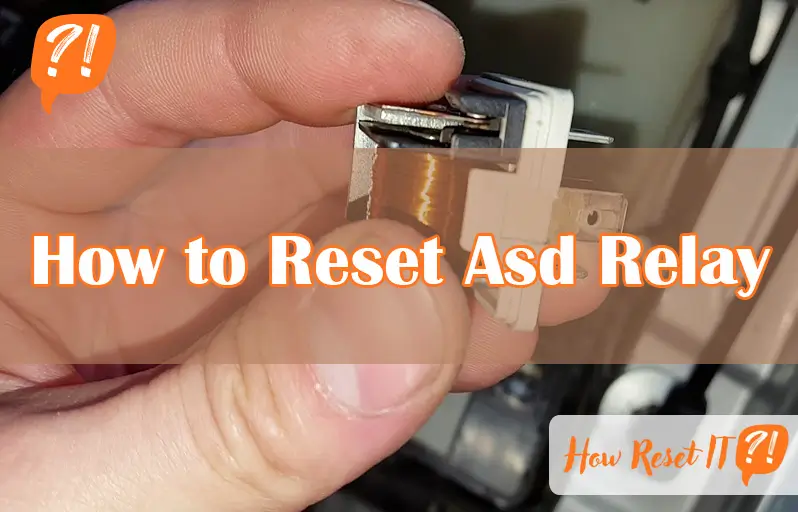
If your vehicle won’t start or keeps stalling, the Automatic Shutdown (ASD) relay could be the culprit. Knowing how to reset the ASD relay can save you time, money, and the hassle of unexpected breakdowns.
In this guide, you’ll learn simple, step-by-step methods to reset your ASD relay safely and effectively. Whether you’re a seasoned DIYer or new to car maintenance, understanding this process puts you back in control of your vehicle’s health. Keep reading, and soon you’ll know exactly how to get your engine running smoothly again.
Asd Relay Basics
The ASD relay is a small but vital part of your vehicle’s electrical system. It controls power to key engine components. This relay helps the engine run smoothly and safely. Knowing how it works makes troubleshooting easier.
The relay acts like a switch that powers the fuel injectors, ignition coils, and other parts. If the relay fails, the engine may not start or run properly. Learning about its role and common problems can save time and money.
Role In Vehicle Systems
The ASD relay supplies power to essential engine parts. It controls fuel injectors and ignition coils. These parts must get power for the engine to run. The relay also powers the oxygen sensor and other sensors.
When you turn the key, the relay closes the circuit. This sends electricity to the parts needed for starting and running the engine. If the relay does not work, the engine will not get power and may stall or fail to start.
Common Problems
One common issue is a relay that gets stuck open or closed. This can stop power from reaching engine components. Another problem is corrosion or dirt on the relay contacts. This can cause poor electrical connection.
Symptoms of a bad ASD relay include the engine starting then stalling. Sometimes the engine will not crank at all. A check engine light may also come on. Replacing or resetting the relay often fixes these issues.
Signs Of A Faulty Asd Relay
The Automatic Shutdown (ASD) relay plays a key role in your vehicle’s performance. It controls power to critical components like the fuel injectors and ignition coils. A faulty ASD relay causes various issues that can confuse drivers. Recognizing these signs early can prevent getting stranded.
Look for unusual engine behavior and warning signals. These hints help diagnose a bad ASD relay before the problem worsens. Below are common signs indicating the relay may need attention or replacement.
Engine Stalls
The engine may start but stall quickly or randomly. This happens because the ASD relay cuts power to fuel and ignition systems. Without power, the engine cannot keep running. Sudden stalls during driving are dangerous and signal relay trouble.
No Crank Condition
If the engine does not crank at all, the ASD relay could be the cause. It prevents the starter from engaging by interrupting the circuit. You may turn the key, but the engine stays silent. This no crank issue points to a relay failure or wiring problem.
Warning Lights
Dashboard warning lights often glow when the ASD relay malfunctions. The check engine light is the most common sign. Some vehicles also show ABS or battery warnings. These alerts indicate electrical faults linked to the relay or related systems.
Safety Precautions
Resetting the ASD relay involves handling electrical components. Safety is the top priority. Following safety precautions reduces risk of injury or damage. Take each step carefully to protect yourself and your vehicle.
Disconnecting Power
Always disconnect the car battery before starting. This stops electricity from flowing. It prevents shocks and short circuits. Use gloves to protect your hands. Verify power is off using a multimeter or test light.
Using Proper Tools
Use insulated tools to avoid electrical shocks. Choose tools made for automotive work. Avoid using damaged or worn-out equipment. Proper tools make the reset process safer and easier. Keep a flashlight handy to see clearly in tight spaces.
When To Seek Professional Help
Some ASD relay issues need expert attention. If unsure about handling electrical parts, stop immediately. Faulty wiring or complex problems require a mechanic. A professional can diagnose and fix the issue safely. Don’t risk causing more damage or injury.
Locating The Asd Relay
Finding the ASD relay is the first step to resetting it properly. The relay controls power to key engine parts. Locating it saves time and avoids mistakes. The relay is usually inside the engine or fuse box. Understanding where to look helps you fix your vehicle faster.
Consulting The Vehicle Manual
The vehicle manual is the best guide to find the ASD relay. It shows a detailed map of all relays and fuses. Check the index for “ASD relay” or “automatic shutdown relay.” The manual lists exact locations and diagrams. This makes locating the relay easier and safer.
Common Relay Locations
The ASD relay often sits in the engine bay fuse box. This box is near the battery or firewall. Some models place it inside the passenger cabin fuse panel. Look under the dashboard or near the steering column. The relay is a small black box, usually labeled. Identifying it saves time before you start resetting.
Step-by-step Reset Process
Resetting the ASD relay is a straightforward process that can help resolve many engine starting issues. This step-by-step guide walks you through each necessary action. Follow these steps carefully to ensure a proper reset and avoid further problems.
Removing The Relay
Begin by locating the ASD relay in your vehicle’s fuse box. It is usually near the engine or under the dashboard. Gently pull the relay straight out of its socket. Avoid using excessive force to prevent damage to the socket or relay.
Inspecting For Damage
Check the relay for any visible signs of damage. Look for cracks, burn marks, or corrosion on the relay body and pins. Damaged relays often cause electrical faults and need replacement. If the relay appears intact, continue to the next step.
Cleaning Contacts
Use a small brush or contact cleaner to clean the relay’s metal pins. Dirt or corrosion on the contacts can prevent proper electrical connection. Make sure the pins are dry and free of debris before reinstalling the relay.
Reinstalling Or Replacing
Place the cleaned or new relay back into the socket. Push it firmly until it is securely seated. After installation, test your vehicle to see if the engine starts without issues. Replace the relay if problems persist or damage is found.

Testing The Asd Relay
Testing the ASD (Automatic Shutdown) relay is a crucial step in diagnosing vehicle electrical issues. The relay controls power to key components like the fuel injectors and ignition coil. A faulty ASD relay can cause the engine to stall or not start at all. Testing ensures the relay works properly before resetting or replacing it.
Using A Multimeter
A multimeter helps check the relay’s electrical function. Set the multimeter to measure resistance (ohms). Connect the probes to the relay terminals. A good relay coil usually shows low resistance, often between 50 to 120 ohms. If the reading is very high or infinite, the coil may be damaged. Also, check for continuity between the relay contacts when the relay is activated.
Checking Relay Coil And Contacts
Inspect the relay coil and contacts for damage or corrosion. The coil creates a magnetic field to close the contacts. If the coil is broken, the relay will not activate. Use the multimeter to test the coil resistance. Check the contacts for signs of burning or wear. Clean or replace the relay if contacts are damaged or dirty.
Swap Testing With Known Good Relay
Swap testing is a simple way to verify relay function. Remove the suspect ASD relay from its socket. Replace it with a known good relay of the same type. Start the vehicle and observe if the problem clears. If the vehicle runs normally, the original relay is likely faulty. This method avoids complex testing tools and confirms the relay’s condition quickly.
Advanced Reset Methods
Advanced reset methods for the ASD relay offer deeper control and troubleshooting options. These techniques go beyond simple power-offs and address more complex relay issues. They help restore relay function safely and effectively.
Using advanced methods can save time and prevent repeated relay problems. Each method suits different relay types and situations. Understanding these options improves your ability to maintain your vehicle’s electrical system.
Power Cycling Techniques
Power cycling involves turning off the power to the relay. Wait about 30 seconds before restoring power. This pause allows internal components to reset fully. It clears temporary faults that may cause relay failure. Power cycling is simple and often fixes minor glitches.
For vehicles, disconnect the battery or remove the fuse linked to the ASD relay. After waiting, reconnect power and test the system. This method can refresh the relay’s state without tools or special skills.
Manual Reset Buttons
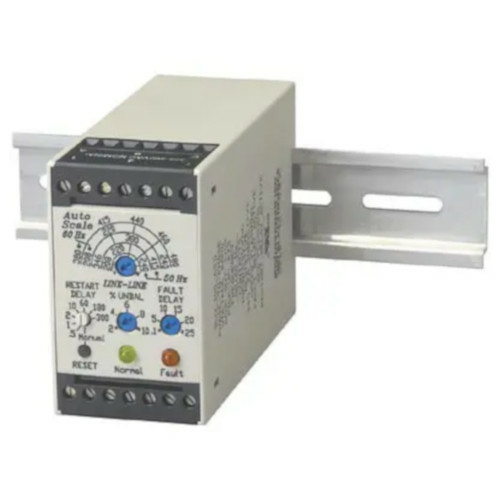
Some ASD relays include a manual reset button. Locate this button on the relay or its housing. Press it firmly to reset the relay’s internal switch. This action clears faults without removing power.
The manual reset button is handy for relays that trip but do not auto-reset. It helps avoid unnecessary relay replacement. Always check your vehicle manual for the exact button location and reset process.
Smart Relay Resets
Smart relays use electronic controls and may need different reset steps. Many support reset through a control panel or a mobile app. Some require pressing and holding a button for several seconds.
Others need power cycling combined with a specific pin toggle. Look for LED indicators that show reset progress. Follow device instructions carefully to avoid damage. Smart resets provide precise control and troubleshoot digital relay issues easily.

Troubleshooting Tips
Troubleshooting the ASD relay requires careful steps to avoid confusion. Problems may arise from wiring faults, relay failures, or other vehicle issues. Identifying the root cause saves time and prevents unnecessary replacements. Follow these tips to check and reset your ASD relay effectively.
Identifying Wiring Issues
Start by inspecting the wiring connected to the ASD relay. Look for loose connections, frayed wires, or corrosion. Use a multimeter to test for continuity in the wires. Faulty wiring can cause the relay to malfunction even if the relay itself is fine. Tighten or replace damaged wires to restore proper function.
Faulty Relay Symptoms Vs. Other Problems
ASD relay problems often mimic other car issues. Common symptoms include the engine starting then stalling, no crank at all, or the check engine light turning on. Check the relay by swapping it with a similar one from your fuse box. If symptoms remain, the issue may lie elsewhere, such as the ignition switch or fuel pump.
When Replacement Is Necessary
Replace the ASD relay if testing shows no continuity or if it fails to click when powered. Persistent problems after fixing wiring confirm the relay is bad. Always use the exact part number for your vehicle model. A faulty relay affects engine performance and can cause safety risks.
Frequently Asked Questions
How Do You Know If Your Asd Relay Is Bad?
A bad ASD relay causes the engine to start then stall or not crank at all. Check for a no-start condition, stalling, or a lit check engine light. Test the relay by swapping it with a known good one or using a multimeter for continuity and power.
How Do I Reset A Relay?
To reset a relay, first turn off the power to the circuit. Press the manual reset button if available. For smart relays, power cycle the device or hold the reset button until an LED flashes. Automatic relays reset after the fault clears.
Always check the relay type and consult the manual.
What Controls The Asd Relay?
The ASD relay is controlled by the engine control module (ECM). The ECM activates it to supply power to ignition coils and fuel injectors.
Will A Bad Asd Relay Cause No Start?
A bad ASD relay can cause a no-start condition by cutting off power to ignition and fuel systems. Check and replace it if faulty.
What Is An Asd Relay And Its Main Function?
An ASD relay controls power to the ignition and fuel systems in a vehicle.
Conclusion
Resetting the ASD relay restores your vehicle’s electrical system function. Start by cutting power to the circuit for safety. Next, inspect the relay and wiring for visible problems. Press any reset buttons if available, or cycle power to smart relays.
Replace the relay if it shows signs of damage or fails to reset. Following these simple steps can prevent engine stalls and starting issues. Stay patient and methodical during the process to avoid mistakes. Proper relay care helps maintain reliable vehicle performance every day.