
Is your electric bike battery acting up or refusing to charge? You’re not alone.
Many e-bike riders face battery issues that can bring your ride to a sudden halt. But before you rush to replace your battery, there’s a simple step that might just save you time and money: resetting your electric bike battery.
You’ll discover easy, practical methods to reset your battery and get your e-bike back on the road. Whether your battery’s stuck in sleep mode or the battery management system (BMS) has tripped, these clear instructions will help you troubleshoot and fix the problem yourself. Keep reading to learn how to breathe new life into your electric bike battery and avoid unnecessary repairs.

Signs Of A Faulty Battery
Knowing the signs of a faulty electric bike battery helps prevent unexpected breakdowns. Batteries wear out over time and may show clear symptoms. Spotting these early keeps your ride smooth and safe.
Watch for changes in your bike’s performance and charging behavior. These clues often point to battery issues. Acting fast can save you repair costs and extend battery life.
Reduced Range And Power
A faulty battery often delivers less power than usual. You may notice the bike stops sooner than before. Hills become harder to climb and acceleration feels weak. The distance you cover on a full charge shrinks noticeably. These are strong signs the battery is losing capacity.
Charging Issues
Problems during charging can indicate battery faults. The battery might not reach a full charge at all. Charging could take much longer than normal. Sometimes the charger disconnects or the battery refuses to charge. These issues show the battery cells or circuits may be damaged.
Battery Indicator Problems
The battery indicator is often the first to show trouble. It may jump erratically between charge levels or stay stuck. Sometimes it shows full charge but the bike runs out quickly. Incorrect readings confuse riders and hide real battery health. This usually means the battery management system needs checking or resetting.
Battery Management System (bms) Role
The Battery Management System (BMS) plays a critical role in electric bike battery safety and performance. It acts as the battery’s brain, monitoring and controlling various functions. Understanding the BMS helps in safely resetting your electric bike battery.
The BMS ensures the battery operates within safe limits. It prevents damage by managing voltage, current, and temperature. This system protects the battery from overcharging, deep discharging, and overheating. Resetting the battery often involves interacting with the BMS to clear fault modes.
What Bms Controls
The BMS controls battery voltage, keeping it within safe range for each cell. It monitors current flow to avoid excessive charging or discharging rates. Temperature sensors detect overheating to prevent damage. The BMS balances cells by equalizing charge across all cells to maintain battery health. It also tracks battery state of charge (SOC) and state of health (SOH) for accurate performance data.
Common Bms Protection Modes
The BMS uses protection modes to guard the battery. Over-Voltage Protection stops charging if voltage exceeds safe limits. Under-Voltage Protection prevents battery use if the voltage is too low. Over-Current Protection limits current to avoid damage during heavy load or short circuits. Temperature Protection disables the battery if it overheats. These modes trigger when the battery faces unsafe conditions and may require a reset to restore normal function.
Safety Precautions Before Reset
Resetting an electric bike battery requires careful attention to safety. The battery stores high energy that can cause harm if handled incorrectly. Preparing with proper safety steps protects you and the bike. Follow these precautions to avoid accidents and damage.
Check For Physical Damage
Inspect the battery closely before starting the reset. Look for cracks, dents, or leaks. Damaged batteries can be dangerous and should not be reset. If you spot any damage, avoid resetting and seek professional help.
Avoid Overheating
Do not reset the battery near heat sources or in direct sunlight. Overheating can cause the battery to swell or catch fire. Perform the reset in a cool, dry place with good airflow. Take breaks if the battery feels hot during the process.
Use Protective Gear
Wear safety gloves and goggles to protect your hands and eyes. Batteries may leak harmful chemicals during reset. A face mask can protect from inhaling fumes. Always have a fire extinguisher nearby as a precaution.
Basic Reset Methods
Resetting your electric bike battery can solve many common power issues. Basic reset methods help refresh the battery’s system quickly. These methods are simple and do not need special tools. Follow these easy steps to get your battery working again.
Disconnecting And Reconnecting The Battery
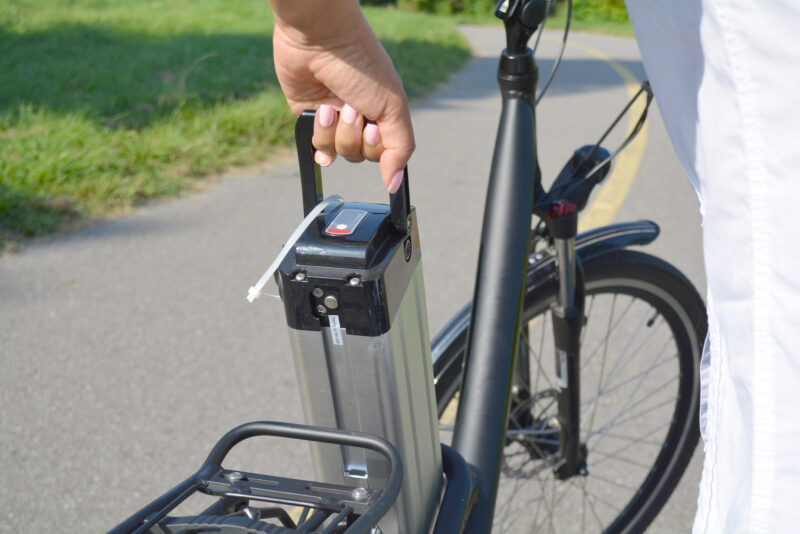
First, turn off your electric bike completely. Locate the battery pack and carefully disconnect it from the bike. Wait for about one minute to allow the system to reset. After the pause, reconnect the battery firmly. Turn on the bike and check if the battery functions properly. This method clears minor errors in the battery system.
Using The Manufacturer Reset Button
Many electric bike batteries have a reset button made by the manufacturer. Find this small button on the battery pack or near the controller. Press and hold it for a few seconds, usually five to ten. Release the button and wait for the battery to restart. This button resets the battery’s internal computer safely. Always check your user manual for exact instructions.
Simple Power Cycling
Power cycling means turning the battery off and on again. Start by switching off the electric bike and removing the battery if possible. Leave it off for at least 30 seconds to a minute. Reinsert the battery and switch the bike back on. This process refreshes the battery’s power management system. It is effective for small glitches and temporary faults.
Advanced Reset Techniques
Advanced reset techniques help restore electric bike batteries beyond simple charging. These methods require careful handling and some tools. They can revive batteries that seem completely dead. Use these techniques only if basic reset steps fail.
Jump Starting The Battery
Jump starting gives the battery a quick voltage boost. Use a fully charged battery or a compatible power source. Connect positive to positive and negative to negative terminals carefully. A small spark may appear—this is normal. Hold the connection for a few seconds. Disconnect and try charging the battery normally. This method can wake a deeply discharged battery.
Using A Multimeter For Cell Testing
A multimeter checks each cell’s voltage inside the battery pack. Open the battery casing safely. Test each cell voltage one by one. Healthy cells usually read around 3.6 to 4.2 volts. Cells with very low voltage may be damaged. Replace any weak or dead cells to improve battery life. Testing helps identify exact problems within the pack.
Applying A Small Load To Drop Voltage
This method balances the battery cells by lowering the voltage slightly. Use a small resistor or light bulb as the load. Connect it across the battery terminals for a short time. This drops the voltage enough to reset safety circuits. Remove the load and recharge the battery. This technique can clear over-voltage protection errors and help the battery reset properly.

Charging Tips Post Reset
After resetting your electric bike battery, proper charging is crucial. Correct charging helps restore battery health and extends its life. Follow these tips to charge safely and efficiently. Avoid fast charging right after a reset to prevent damage. Monitor the battery’s response during each charge cycle. Use recommended chargers and settings for best results.
Slow Charging Best Practices
Slow charging reduces stress on your battery cells. Use a charger with a low current output. Charge the battery in a cool, dry place. Avoid charging in extreme temperatures. Check the battery voltage regularly during charging. Stop charging once the battery reaches full capacity. Slow charging helps balance the cells and improves battery life.
Using Solar Or Mppt Controllers
Solar panels can charge your battery using sunlight. MPPT controllers maximize solar energy efficiency. They adjust voltage and current to suit the battery. Connect the solar panel to the MPPT controller first. Then connect the controller to your battery. This setup helps wake up deeply discharged batteries. It also prevents overcharging by regulating power flow.
Monitoring Battery Behavior
Observe the battery’s voltage and temperature during charging. Look for unusual heat or swelling signs. Use a multimeter to check cell voltages if possible. Note any irregular charging times or sudden drops in voltage. These signs may indicate battery problems. Early detection helps prevent permanent damage. Keep a charging log to track battery performance over time.
Troubleshooting Persistent Issues
Persistent problems with your electric bike battery can be frustrating. Simple resets might not solve deep issues. Troubleshooting these problems requires careful attention. Understanding the battery’s condition helps in deciding the next steps. This section explains how to spot dead cells, replace parts, and know when to get expert help.
Identifying Dead Cells
Dead cells reduce battery performance and cause charging issues. Use a multimeter to check each cell’s voltage. A healthy cell usually shows around 3.6 to 4.2 volts. Cells with much lower voltage may be dead. Look for swelling or leaks in the battery pack. These signs indicate damaged cells. Isolate and test cells one by one for accuracy.
Replacing Faulty Components
Replacing bad cells can restore battery life. Remove the battery pack carefully to avoid damage. Use matching cells with the same voltage and capacity. Swap out any broken wiring or connectors. Secure new cells properly to prevent short circuits. After replacement, charge the battery slowly and monitor its performance. This step requires patience and a steady hand.
When To Seek Professional Help
Some battery issues need expert attention. Complex problems with the Battery Management System (BMS) are hard to fix at home. If the battery shows no improvement after basic fixes, consult a professional. Avoid risky repairs that can cause harm or void warranties. Experts have tools and knowledge to handle serious battery faults safely. Prioritize safety and battery longevity by choosing skilled help.
Preventive Maintenance
Preventive maintenance plays a vital role in extending the life of your electric bike battery. It helps avoid sudden failures and keeps the battery performing well. Regular care can reduce the need to reset or repair the battery often.
Regular Battery Checks
Check your battery regularly for any signs of damage or wear. Look for cracks, leaks, or swelling on the battery case. Use a multimeter to measure the voltage and ensure it is within the recommended range. Early detection of problems can prevent bigger issues later.
Proper Storage Techniques
Store your battery in a cool, dry place away from direct sunlight. Avoid extreme temperatures, as heat or cold can damage the battery cells. Keep the battery partially charged, around 50-70%, if you do not plan to use it for a long time. This helps maintain battery health during storage.
Avoiding Deep Discharge
Do not let the battery drain completely before recharging. Deep discharge can harm the battery’s capacity and shorten its life. Try to recharge the battery when it reaches about 20-30% charge. Frequent shallow discharges and charges are better for battery longevity.
Frequently Asked Questions
How To Reset A Battery That Won’t Charge?
Disconnect the battery and devices. Let it rest. Use a compatible charger or solar MPPT to wake it. Reconnect and monitor for faults. Press any reset button if available. Address underlying issues to prevent future failures.
How To Wake Up An Electric Bike Battery?
To wake up an electric bike battery, disconnect it and let it rest for a few hours. Then, apply a compatible charger or use a gentle jump start. Press any reset button if available, and always check the battery manual for specific instructions.
How To Calibrate An E-bike Battery?
Calibrate your e-bike battery by fully charging, then fully discharging it once. Repeat this cycle 2-3 times. This resets the battery meter for accurate readings.
How To Reset Bms On Lithium Battery?
To reset a lithium battery’s BMS, disconnect all devices and chargers first. Rest the battery, then apply a compatible charge. Reconnect the system and monitor for faults. Use a resistor or jump start method cautiously for deep discharge. Always follow the manufacturer’s manual and safety guidelines.
How Do I Reset An Electric Bike Battery Safely?
Disconnect the battery, wait 10 minutes, then reconnect it to reset the system safely.
Conclusion
Resetting an electric bike battery can extend its life and improve performance. Always follow safety steps carefully during the process. Use simple tools and avoid shortcuts that might damage the battery. Regular checks help you spot problems early and keep your bike running smoothly.
Remember, a well-maintained battery means a better ride every time. Take your time, stay patient, and keep your e-bike powered up for many journeys ahead.