
Are you frustrated because your tire pressure gauge isn’t giving accurate readings or your tire pressure light just won’t turn off? You’re not alone.
Many drivers face this issue, but the good news is that resetting your tire pressure gauge is easier than you think. Whether you’ve just inflated your tires or replaced a sensor, knowing how to reset your gauge can save you time, money, and keep you safe on the road.
In this guide, you’ll discover simple, step-by-step methods to reset your tire pressure gauge quickly and effectively—no mechanic needed. Keep reading, and you’ll get your tire pressure system back on track in no time!
Check Tire Pressure
Checking tire pressure is a key step to keep your vehicle safe and fuel-efficient. Proper tire pressure helps your car drive smoothly and prevents tire damage. Use a tire pressure gauge to get accurate readings before inflating your tires.
Locate Recommended Psi
Find the recommended PSI on the sticker inside the driver’s door jamb. This number shows the correct pressure for your tires. Do not rely on the number on the tire sidewall. Follow the car manufacturer’s PSI for best results.
Inflate Tires Correctly
Use an air pump to inflate your tires to the recommended PSI. Check the pressure with your gauge after inflating. Avoid overinflating or underinflating, as both can cause problems on the road. Inflate tires when they are cold for accurate results.
Include Spare Tire
Do not forget the spare tire. Many drivers overlook checking the spare’s pressure. The spare tire also needs to be properly inflated in case of emergency. Check and inflate it to the recommended PSI just like the other tires.
Drive To Recalibrate
The “Drive to Recalibrate” step helps your tire pressure gauge adjust correctly. This process resets the sensor by allowing it to relearn accurate tire pressure readings. Driving for a short time after inflating tires can clear false warnings and stabilize the system.
Simply inflating tires to the right pressure is not enough. The gauge or sensor may still show old or incorrect data. Driving the vehicle triggers the system to collect fresh data from all tires. This action helps update the gauge with current pressure levels.
Why Driving Helps Reset The Tire Pressure Gauge
Driving causes the tire pressure monitoring system (TPMS) to check each tire. Movement lets sensors send real-time pressure readings to the car’s computer. This communication updates the gauge and clears any error signals.
How Long To Drive For Recalibration
Drive your car for about 10 to 20 minutes at speeds above 30 mph (48 km/h). This time allows the TPMS to complete its scan and reset the pressure readings. Avoid stopping for too long during this period to ensure full recalibration.
Tips For A Successful Recalibration Drive
Drive on smooth, steady roads to keep tire pressure consistent. Avoid sudden stops or sharp turns during the recalibration drive. Check your tire pressure before and after driving to confirm accuracy.
Use Tpms Reset Button
Using the TPMS reset button is a simple way to reset your tire pressure gauge. This method works for many cars with a tire pressure monitoring system (TPMS). The button allows the system to relearn the correct tire pressures after adjustment. Resetting helps the gauge show accurate readings and turns off warning lights.
Follow the steps carefully to complete the reset process. You will need to find the reset button first. Then, perform the reset sequence as described in your vehicle’s manual or below.
Find The Reset Button
Look under the dashboard near the steering wheel. The reset button often sits to the left or below the wheel. It may have “TPMS” or a tire icon on it. Some cars hide it in the glove box or center console. Use your owner’s manual if you cannot locate it.
Perform The Reset Sequence
Turn the ignition key to the “On” position without starting the engine. Press and hold the TPMS reset button. Keep holding until the tire pressure light blinks three times. Release the button after the blinking stops.
Start your car and let it run for a few minutes. Drive slowly to allow the system to recalibrate. The tire pressure warning light should turn off if the reset succeeds. If the light stays on, check your tire pressures again.
Reset Via Dashboard Menu
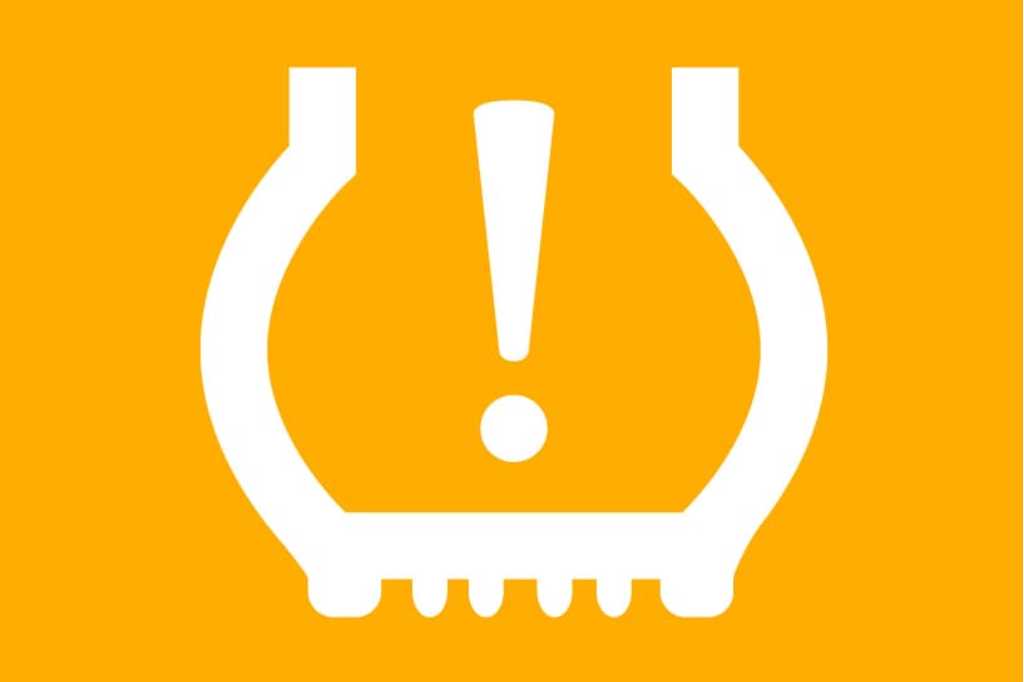
Resetting your tire pressure gauge through the dashboard menu is a simple and effective way to ensure accurate readings. Many newer vehicles have built-in systems that allow you to recalibrate the Tire Pressure Monitoring System (TPMS) right from the instrument panel. This method saves time and avoids manual resets on each tire sensor.
Using the dashboard menu to reset the tire pressure gauge helps maintain vehicle safety. It also keeps the tire pressure warning light functioning correctly. Follow the steps below to access and perform the reset with ease.
Access Vehicle Settings
Start by turning on your vehicle without starting the engine. Use the steering wheel buttons or touch screen to navigate the main menu. Look for the “Settings” or “Vehicle Settings” option in the dashboard display. This section controls various vehicle functions, including the tire pressure system.
Scroll through the menu options carefully until you find the TPMS settings. Each vehicle may have slightly different menu layouts, so check the owner’s manual if needed. Once located, select the option to enter the TPMS menu.
Select Tpms Calibration
Inside the TPMS menu, find and select the “Calibration” or “Reset” option. This command tells the system to relearn the current tire pressures as the new baseline. Confirm your choice if the system asks for verification.
After selecting calibration, drive your car at a moderate speed for a few minutes. This allows the sensors to communicate and update the readings properly. The tire pressure warning light should turn off once the reset is complete.
Battery Disconnect Method
The Battery Disconnect Method offers a simple way to reset your tire pressure gauge. This method cuts power briefly to the vehicle’s electrical system. It helps clear errors in the tire pressure monitoring system (TPMS).
Follow these easy steps carefully to reset the gauge using this method. Make sure you have basic tools ready, like a wrench for the battery cable.
Turn Off Vehicle
Start by turning off your vehicle completely. Remove the key from the ignition if you have one. This step stops any current flow and prepares the system for reset.
Disconnect Positive Battery Cable
Locate the car battery under the hood. Use a wrench to loosen the nut on the positive battery cable. Carefully remove the cable and set it aside. Avoid touching other metal parts to prevent shocks.
Reconnect Battery
Wait about 10 to 15 minutes before reconnecting the cable. Reattach the positive battery cable and tighten the nut securely. Turn on your vehicle to check if the tire pressure gauge resets properly.
Handle Flashing Tire Pressure Light
The flashing tire pressure light signals an issue beyond low tire pressure. It often means the sensor or system needs attention. Handling this light correctly ensures your vehicle stays safe and efficient. This section explains how to deal with a flashing tire pressure light.
Identify Sensor Battery Issues
The tire pressure sensors use small batteries inside. These batteries can wear out over time. A flashing light often means a weak or dead sensor battery. Check if your vehicle’s manual mentions sensor battery life. If the battery is low, the sensor cannot send correct signals. This causes the tire pressure light to flash. Replacing the sensor battery usually requires a professional. But knowing this helps you understand the problem better.
Seek Professional Service
A flashing tire pressure light may mean a system fault. The tire pressure monitoring system (TPMS) needs special tools to diagnose. Mechanics can read error codes from the vehicle’s computer. They check sensors, batteries, and wiring for issues. Professionals can reset or replace faulty sensors. Attempting to fix this yourself can cause more problems. Visiting a service center ensures the light turns off safely. It also confirms your tires are properly monitored and safe to drive on.
Common Reset Issues
Resetting your tire pressure gauge can sometimes be tricky. Various issues may prevent a successful reset. Identifying common problems helps avoid frustration. Understanding these issues also keeps your tires safer on the road.
Sensor Battery Failure
Sensor batteries have a limited lifespan. When the battery dies, the sensor stops sending data. The gauge may not reset because it receives no signal. Replacing the sensor battery or the entire sensor is necessary. This issue often causes the tire pressure light to flash or stay on.
Sensor Damage
Physical damage to the sensor affects its function. Hitting a pothole or curb can harm the sensor. Damaged sensors send incorrect or no readings. The gauge reset may fail due to bad data. Inspect sensors regularly for cracks or dents. Replace damaged sensors promptly to ensure accuracy.
Slow Tire Leaks
Slow leaks cause gradual pressure loss. The gauge shows low pressure even after inflating tires. This confuses the reset process. Finding and fixing leaks is crucial before resetting. Common leak spots include valve stems and tire beads. Use soapy water to locate bubbles indicating leaks.
Temperature Effects
Cold weather lowers tire pressure naturally. The gauge may trigger warnings during temperature drops. This can make reset attempts ineffective. Tire pressure rises again as the tires warm up. Adjust pressure according to the season for better results. Always check tire pressure when tires are cold for accuracy.
Tips For Accurate Readings
Getting accurate tire pressure readings is key to safe driving and tire health. Small mistakes can cause wrong readings and affect your vehicle’s performance. Follow these simple tips to ensure your tire pressure gauge gives precise results every time.
Regular Pressure Checks
Check tire pressure often, at least once a month. Tires lose air naturally, so regular checks catch drops early. Measure pressure when tires are cold for best accuracy. Avoid checking after driving, as heat changes the pressure.
Use Quality Gauges
Choose a reliable tire pressure gauge with clear markings. Digital gauges usually offer better precision than cheap analog ones. Replace old or damaged gauges to avoid false readings. Keep your gauge clean and store it safely to maintain accuracy.
Consult Owner’s Manual
Always refer to your vehicle’s owner manual for the correct tire pressure. The manual shows recommended PSI for front, rear, and spare tires. Follow these guidelines closely to maintain balance and safety. Some cars require special reset steps for the pressure gauge.

Frequently Asked Questions
How Do I Reset The Tire Pressure Indicator?
Check tire pressure and inflate to the recommended PSI. Turn the key on, locate and press the TPMS reset button until the light blinks. Drive for 10-20 minutes to recalibrate. For newer cars, use the dashboard menu to reset. Consult your owner’s manual for specifics.
Why Won’t My Tire Pressure Light Go Off Even Though Pressure Is Fine?
Your tire pressure light may stay on due to a faulty sensor, system malfunction, or failure to reset the TPMS after inflating tires.
How Long Does It Take For A Tire Pressure Gauge To Reset?
A tire pressure gauge resets instantly or within a few seconds after releasing the valve. Digital gauges may reset automatically or need a button press. Mechanical gauges reset when pressure is released. Always follow the manufacturer’s instructions for accurate results.
Where Can I Get My Tire Pressure Sensor Reset?
Reset your tire pressure sensor at auto repair shops, tire centers, or dealerships. Some vehicles allow DIY reset using the TPMS button or dashboard menu. Always check your owner’s manual for specific instructions.
How Do I Reset A Tire Pressure Gauge Manually?
Press and hold the reset button until the gauge shows zero or the default reading.
Conclusion
Resetting your tire pressure gauge keeps your vehicle safe and efficient. Always check the recommended PSI first. Inflate tires evenly to avoid inaccurate readings. Use the reset button or dashboard menu as needed. A short drive can help the system recalibrate.
Remember, a flashing light may signal sensor problems. Consult your owner’s manual for exact steps. Regular checks prevent unexpected tire issues. Stay alert and maintain proper tire pressure for smooth driving. Simple steps make tire care easy and reliable.