
Your sump pump alarm just started beeping, and you’re wondering what to do next. It’s easy to feel stressed because that sound means your basement could be at risk of flooding.
But don’t worry—you’re in the right place. This guide will show you exactly how to reset your sump pump alarm quickly and safely. You’ll learn simple steps to check power, clear blockages, and reset the alarm so you can stop the noise and protect your home.
Keep reading, and you’ll have your sump pump working smoothly again in no time.
Common Causes
The sump pump alarm alerts you to potential problems in your basement. Understanding common causes helps in quick troubleshooting. Most alarms activate because of simple issues that you can fix yourself. Knowing these causes prevents unnecessary stress and costly repairs.
Power Loss
Power loss is a frequent cause of sump pump alarms. A tripped breaker or power outage stops the pump from working. Backup batteries may also fail or run out of charge. Check the breaker box and battery to ensure they have power. Restoring power often resets the alarm immediately.
Float Switch Obstruction
The float switch triggers the pump to turn on or off. Debris, dirt, or tangled wires can block its movement. If the float switch cannot move freely, it may cause false alarms. Clear any obstruction from the float switch carefully. Regular cleaning keeps the switch working smoothly.
Wet Sensors
Sensors detect water levels and signal the alarm. Sometimes, sensors get wet from splashes or condensation. Wet sensors can cause the alarm to sound even if there is no flooding. Wipe the sensors dry with a cloth to stop false alarms. Keep sensors clean and dry for accurate readings.
Quick Fixes
Quick fixes can often solve sump pump alarm issues fast. These simple steps help reset the alarm and restore normal function. Try these easy methods before calling a professional. Each fix targets common causes of alarm activation. Follow the instructions carefully for best results.
Check Breaker And Battery
Start by checking the circuit breaker for your sump pump. A tripped breaker can cut power and trigger the alarm. Reset the breaker if needed.
Next, inspect the backup battery if your pump has one. A dead or weak battery often causes alarms. Replace the battery to restore backup power.
Press Reset Button
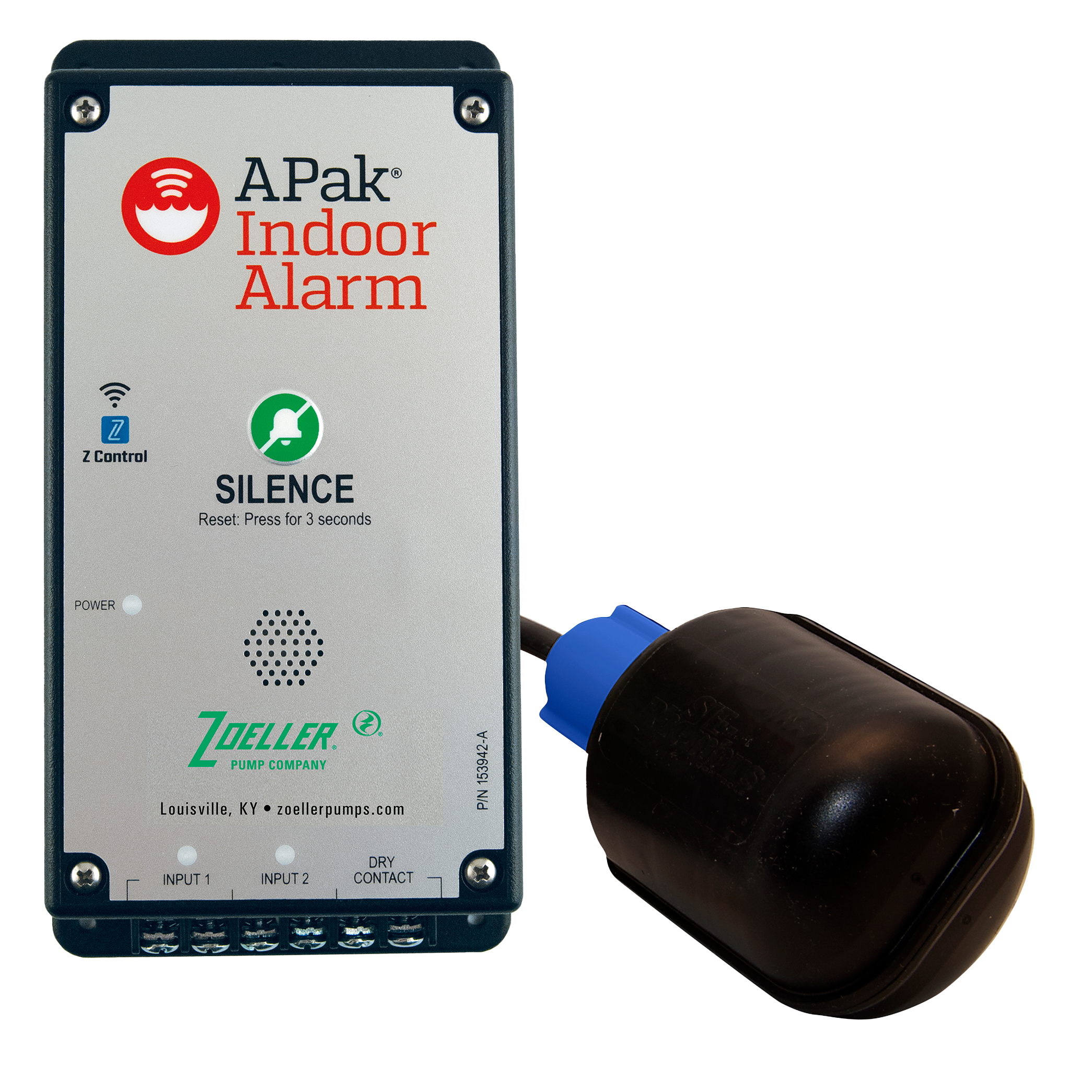
Locate the reset button on your sump pump’s control panel. Press it firmly to silence the alarm. This step works after fixing power or battery issues.
Allow a few seconds after pressing the button. The alarm should stop if the problem is resolved.
Clear Float Switch Debris
The float switch controls the alarm and pump operation. Check for debris like dirt, leaves, or zip ties blocking its movement.
Gently remove any obstructions. Ensure the float moves up and down freely. This action often stops false alarms.
Dry Alarm Sensor
Water on the alarm sensor can cause false alerts. Use a dry cloth to wipe the sensor carefully.
Keep the sensor dry but monitor the actual water level in the sump pit. This avoids missing real flood warnings.
Pump Performance Issues
Pump performance issues often cause sump pump alarms to trigger. These problems stop the pump from working properly. Understanding common causes helps in quick troubleshooting. Addressing these problems prevents basement flooding and damage.
No Power To Pump
Check if the pump has power. A tripped breaker or unplugged cord causes no power. Reset the breaker or plug in the pump securely. Test the outlet with another device. Battery backup failure also cuts power. Replace or recharge the battery if needed.
Clogged Discharge Pipe
Water must flow freely out of the discharge pipe. Leaves, dirt, or ice can block it. Inspect the pipe outside your home. Clear any visible blockage using a garden hose or a plumber’s snake. A clogged pipe stops water flow and triggers the alarm.
Blocked Pump Inlet
The pump inlet can get clogged with debris or mud. Turn off power before inspecting. Remove the pump from the sump pit carefully. Clean the inlet screen and remove all debris. A clean inlet ensures proper water intake and pump function.
When To Call A Pro
Knowing when to call a professional is key to avoiding costly sump pump damage. Some issues need expert skills and tools. Trying to fix complex problems alone may worsen the situation. Watch for signs that your pump alarm keeps sounding despite your efforts. A professional can diagnose hidden faults and ensure the pump works safely and efficiently.
Here are some clear cases when you should get help from a pro.
Pump Runs But Fails To Pump Water
The pump motor may run, but water does not move. This often means a clog or mechanical failure inside the pump. Checking the discharge pipe or inlet might not solve the problem. Professionals use special tools to clear blockages or replace worn parts. Leaving this issue unresolved can cause flooding and serious damage.
Persistent Alarm After Fixes
The alarm sounds even after resetting and cleaning the float switch. This can indicate a sensor fault or electrical problem. Sometimes, wiring or control panel errors cause false alarms. Experts test the entire system to find hidden issues. They prevent false alarms and ensure your pump signals only when needed.
Silent Or Faulty Pump Motor
The pump motor does not run or makes unusual noises. It may have a burned-out motor or broken parts inside. If the motor is silent, the problem might be electrical or mechanical. A professional can test the motor and replace it if needed. Avoid running a damaged pump; it can lead to water damage and high repair costs.
Preventive Tips
Taking preventive steps helps keep your sump pump alarm working well. Regular maintenance lowers the chance of false alarms or failures. You save time and avoid costly repairs by caring for your pump system. Follow these simple tips to keep your sump pump alarm reliable and your basement dry.
Regular Float Switch Checks
Check the float switch at least once a month. Make sure it moves up and down freely without any blockages. Clear away any dirt, debris, or objects that might stop its movement. A stuck float switch can cause false alarms or prevent the pump from running.
Test the switch by lifting it manually to see if the alarm sounds. If it does not, the switch or alarm may need repair. Keeping the float switch clean ensures accurate water level detection.
Keep Discharge Pipe Clear
Inspect the discharge pipe regularly for clogs or damage. Remove leaves, mud, or ice that block water flow. A blocked pipe causes water to back up and triggers the alarm. Check outside where the pipe drains to ensure water flows freely away from your home.
Trim any vegetation around the pipe exit and secure loose parts. Proper pipe maintenance helps your sump pump work efficiently and prevents alarm issues.
Maintain Backup Power
Test your battery backup system often, especially before storm season. Replace old batteries to ensure the pump runs during power outages. A working backup power source stops the alarm from going off due to lost electricity.
Keep a spare battery on hand for quick replacement. Check that the backup system charger is plugged in and working. Reliable backup power keeps your sump pump alarm ready for emergencies.
Safety Reminders
Safety is the top priority when dealing with a sump pump alarm. Ignoring the alarm can lead to severe water damage. Understanding safety precautions helps protect your home and family. Follow simple yet important reminders to handle the alarm correctly.
Never Ignore The Alarm
The sump pump alarm warns you of possible flooding. Ignoring it risks basement flooding and costly repairs. Always respond promptly to the alarm sound. Check the pump and surrounding area for issues. Early action prevents major water damage.
Avoid Diy Repairs If Unsure
Simple reset steps are safe to try at home. Complex problems need professional help. Avoid fixing electrical parts or internal pump issues yourself. Incorrect repairs can cause injury or worsen the problem. Call a licensed plumber or technician for safety.
Protect Basement From Flooding
Keep the sump pit and float switch clear of debris. Regularly inspect the discharge pipe for clogs or damage. Use a battery backup system for power outages. Maintain the pump to ensure it runs smoothly during storms. These steps reduce flooding risks and keep your basement dry.
Frequently Asked Questions
What To Do If The Sump Pump Alarm Goes Off?
Check the power source and reset the breaker or battery backup. Clear debris from the float switch and ensure it moves freely. Inspect and unclog the discharge pipe if water doesn’t flow. Call a professional if the alarm persists or the pump fails during heavy rain.
How Do I Silence My Sump Pump Alarm?
Check the power supply and reset the breaker or battery backup. Clear debris from the float switch and ensure it moves freely. Press the reset button on the control panel. Dry the sensor if wet. Call a professional if the alarm persists or pump malfunctions.
Is There A Way To Reset A Sump Pump?
To reset a sump pump, first check power and reset the breaker if needed. Clear debris from the float switch. Press the reset button on the control panel. Ensure the float moves freely. Dry any wet sensors. If issues persist, consult a professional.
What Triggers A Sump Pump Alarm?
A sump pump alarm triggers due to power loss, float switch obstruction, high water levels, or pump failure. Check for clogs, debris, or battery issues.
How Do I Reset My Sump Pump Alarm Quickly?
Press the reset button on the control panel after checking power and clearing float switch debris.
Conclusion
Resetting your sump pump alarm helps protect your basement from water damage. Always check power sources and clear any debris around the float switch. Press the reset button after ensuring everything works properly. Watch for clogs in the discharge pipe or pump inlet if the alarm continues.
Persistent alarms or pump failures need professional attention. Don’t ignore alarms; quick action prevents costly repairs. Stay safe and keep your sump pump in good condition.