
Have you ever experienced that frustrating moment when your seat belt suddenly locks up after an accident? It’s not just annoying—it’s a safety issue that needs immediate attention.
If you’ve found yourself wondering how to reset seat belts after an accident, you’re in the right place. Your seat belt system is designed to lock tightly during a crash to protect you, but resetting it afterward isn’t always straightforward.
You’ll discover simple steps and expert tips to get your seat belt working properly again. Keep reading, because knowing how to handle this situation can save you time, money, and ensure your safety on the road.
Seat Belt Mechanism Basics
Understanding the seat belt mechanism is key to resetting it after an accident. Seat belts use a system that locks the belt during sudden stops. This prevents the passenger from moving forward and reduces injury risk. The mechanism has parts that work together to lock and release the belt smoothly.
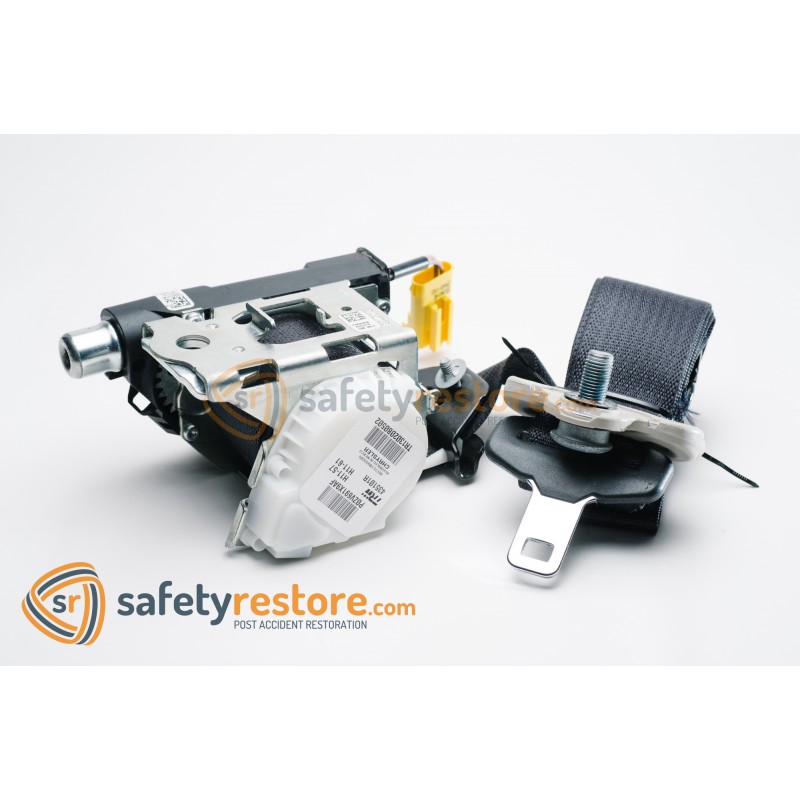
The main parts include the retractor, the locking mechanism, and sometimes a pretensioner. These parts react fast during a crash to protect the occupant. Knowing how these components function helps in troubleshooting and fixing a locked seat belt.
How Pretensioners Work
Pretensioners tighten the seat belt instantly during a crash. They pull the belt to remove any slack. This action holds the passenger firmly in place. Pretensioners use a small explosive charge or a spring to pull the belt. After deployment, pretensioners must be replaced or reset by a professional. They work with airbags to provide better protection.
Types Of Seat Belt Locks
Seat belts have different locking systems to keep you safe. One common type is the emergency lock, which activates during fast stops. It locks the belt so it cannot extend further. Another type is the vehicle-sensitive lock, which locks the belt based on car movement. Some belts also have switchable locks for child seats. Each type serves to prevent sudden movement and improve safety.
Common Causes For Locked Seat Belts
Seat belts lock for safety during sudden stops or crashes. After an accident, these locks often stay engaged. Understanding common causes helps to know why seat belts get stuck. This knowledge aids in safe and proper resetting after impact.
Accident Impact Effects
Seat belts lock instantly to protect passengers. The locking mechanism activates when sensors detect a strong impact. This prevents the belt from extending further. The system uses pretensioners to tighten the belt quickly. These parts activate only once and then stay locked. The seat belt may not release until repaired or replaced. This ensures maximum safety after a crash.
Mechanical Jams And Twists
Seat belts can jam due to twists or dirt. Twisted webbing stops the belt from moving freely. Dirt or debris inside the retractor can cause blockages. Mechanical parts may misalign after sudden force. These issues prevent the belt from retracting or extending. Checking for physical jams is key before resetting. Gentle untwisting and cleaning can restore function in some cases.
Quick Fixes For Stuck Seat Belts
Stuck seat belts after an accident can cause stress and delay your vehicle use. Quick fixes help unlock the belt without complex tools. These simple methods focus on gently freeing the belt and checking for basic issues. Try these easy steps before seeking professional help.
Slow Pull Technique
Grab the seat belt and pull it out slowly and steadily. Avoid jerking or sudden pulls. Pull the belt all the way to its maximum length. Let it retract back smoothly and freely. This motion can reset the locking mechanism inside. Repeat a few times if needed.
Creating Slack
Find the shoulder anchor point on the seat belt. Lower it slightly to give the belt more slack. Slack reduces tension that may cause the belt to lock. Gently pull and release the belt while slack is available. This method helps reset stuck belts caused by small jams.
Cleaning And Inspection
Check the seat belt webbing for twists or dirt. Twisted belts can cause the mechanism to jam. Clean the belt with a soft cloth and mild soap if dirty. Inspect the retractor area for debris or damage. Removing dirt often allows the belt to move freely again.
Manual Retractor Reset Steps
Resetting a seat belt retractor manually after an accident takes careful steps. The retractor can lock up due to tensioners activating during the crash. This guide explains how to reset it by hand without special tools. Follow each step slowly and carefully. Safety is important when handling these components.
Accessing The Retractor
First, locate the seat belt retractor inside the car. It is usually hidden behind the side panel or trim near the car door. Use a screwdriver or trim removal tool to remove the panel gently. Avoid breaking clips or damaging the interior. Once the panel is off, you can see the retractor mechanism clearly.
Releasing Internal Pins
The retractor has internal pins that lock the belt in place. These pins stop the belt from moving after a crash. To reset, press or release these pins carefully. Some retractors have a small slot or hole for this purpose. Use a thin tool like a small screwdriver to push the pins. Do not force them too hard to avoid damage.
Tapping The Mechanism
After releasing the pins, tap the retractor gently with a soft hammer or a rubber mallet. This action helps reset the locking mechanism inside. Tap lightly around the retractor’s body, not directly on delicate parts. Then, pull the seat belt out fully and let it retract slowly to test if it moves smoothly. Repeat if needed.
Reset After Airbag Deployment
After an airbag deploys in an accident, seat belts often lock or become unusable. This happens because the seat belt pretensioners activate to hold passengers firmly. Resetting seat belts after airbag deployment requires careful steps. This process ensures the safety system works correctly again. Follow these key actions to reset your seat belts safely and effectively.
Safety Precautions
Always wear protective gloves and eyewear before starting work. The airbag system contains sensitive parts that can cause injury. Avoid static electricity by grounding yourself. Never use sharp tools near wiring or components. Work in a well-ventilated, dry area. Keep children and pets away from the work zone.
Battery Disconnection
Disconnect the car battery before touching any airbag or seat belt parts. This stops accidental airbag deployment and electrical shorts. Remove the negative terminal first. Wait at least 10 to 15 minutes after disconnection. This lets residual power drain from the system. Reconnect the battery only after all repairs and resets are complete.
Clearing Crash Codes
Use an OBD-II scanner to clear crash codes stored in the car’s computer. These codes trigger warning lights and lock seat belts. Plug the scanner into the diagnostic port, usually under the dashboard. Follow the scanner’s instructions to erase crash data. Clearing codes resets the airbag and seat belt control modules. Without this step, seat belts may remain locked or the airbag light will stay on.
Inspecting Wiring And Components
Check all wiring connected to the seat belt pretensioners and airbag modules. Look for cuts, burns, or loose connections. Inspect seat belt retractors for physical damage or signs of activation. Replace any damaged components with manufacturer-approved parts. Proper wiring and component condition ensure system reliability. Faulty parts can cause seat belts to malfunction after resetting.
Handling Electric Pretensioners
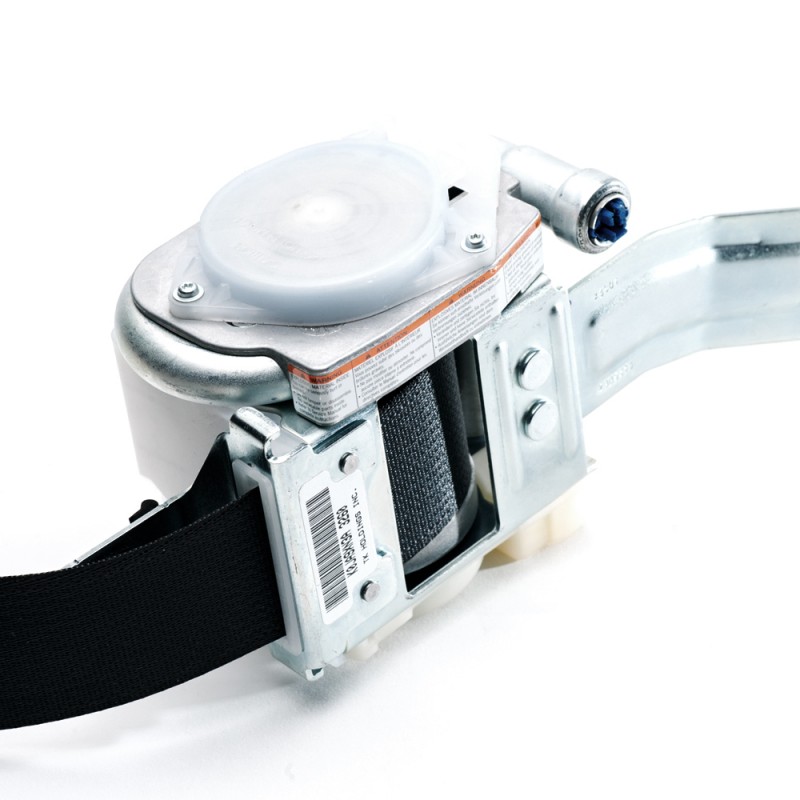
Handling electric pretensioners is a crucial step after a car accident. These devices tighten the seat belt instantly during a crash. Their role is to protect passengers by reducing movement. After deployment, pretensioners often need resetting or replacement. This process requires care due to electrical components. Understanding how to handle them helps ensure safety and proper function.
Automatic Reset Process
Some modern cars feature pretensioners with an automatic reset function. After a minor collision, the system may reset itself when the car is restarted. This process usually involves turning the ignition on and off several times. The seat belt indicator light on the dashboard will show if the pretensioner is active or reset. If the light stays on, the system needs manual intervention or repair.
Using Diagnostic Tools
Diagnostic tools help identify pretensioner status after an accident. These tools connect to the car’s onboard computer via the OBD-II port. They read error codes related to the seat belt system and airbag modules. Clearing these codes may reset the pretensioners in some vehicles. Using a scanner requires basic knowledge of car electronics. Following the tool’s instructions ensures a safe and correct reset.
When To Seek Professional Help
Electric pretensioners link closely with the airbag system. This connection makes DIY repair risky and complex. If the seat belt light remains on or the belt stays locked, a professional must check the system. Certified technicians have the right tools and experience to reset or replace pretensioners. Seeking help ensures the safety system works properly after an accident. Never ignore warning lights on the dashboard.
Tools And Equipment Needed
Resetting seat belts after an accident requires specific tools and equipment. Having the right gear ensures safety and proper function. Prepare carefully before starting the reset process. This helps avoid further damage or errors.
Some tools help diagnose and clear error codes. Others assist in physically adjusting or repairing the seat belt mechanism. Below are key tools you need for the job.
Obd-ii Scanner Use
An OBD-II scanner reads and clears crash-related codes. It connects to your car’s diagnostic port, usually under the dashboard. This tool helps reset the seat belt pretensioner system.
After an accident, the airbag and belt sensors store error codes. The scanner removes these codes, allowing the seat belt system to function again. Some advanced scanners can reset the system without replacing parts.
Using an OBD-II scanner requires basic knowledge of car diagnostics. Always follow the scanner’s instructions carefully. Disconnect the battery before scanning to avoid electrical issues.
Basic Hand Tools
Basic hand tools help access and adjust seat belt components. You need screwdrivers, socket wrenches, and pliers. These tools remove interior panels and covers.
Once panels are off, you can inspect the seat belt retractor and pretensioner. Sometimes, gently tapping or adjusting parts fixes minor locking issues. Use caution to avoid breaking delicate components.
Keep a flashlight handy for better visibility. Clean the seat belt webbing with mild cleaner if it is dirty or stuck. Proper tools make the reset process easier and safer.

Cost And Professional Service Insights
Understanding the cost and professional service options is important when resetting seat belts after an accident. Seat belts often lock due to the pretensioner activation during a crash. Resetting them involves careful steps and sometimes technical tools. Knowing the typical expenses and when to hire experts helps you make the right choice. This section covers these key points clearly and simply.
Typical Repair Costs
Resetting seat belts can cost between $100 and $300. The price depends on the car model and damage severity. Some repairs only need resetting the pretensioner. Others may require replacing the entire seat belt system. Labor charges add to the total cost. Prices vary across regions and service centers. Using original parts might increase expenses but ensures safety and quality.
When To Hire Experts
Seat belt reset involves the airbag system, which is sensitive. Mistakes can cause safety risks or system errors. Professionals have the right tools and knowledge to handle this work safely. They can clear crash codes with an OBD-II scanner. Complex cases, like deployed airbags, need expert attention. If you feel unsure or lack proper tools, seek professional help. This choice protects you and your vehicle’s safety features.
Preventive Tips To Avoid Seat Belt Locks
Preventing seat belt locks saves time and ensures safety. Locked seat belts can be frustrating and may delay emergency responses. Simple steps help keep seat belts functioning smoothly. Regular care and correct use reduce the chance of locking issues. Follow these tips to avoid seat belt problems after accidents or daily use.
Regular Maintenance
Check seat belts often for dirt, twists, or damage. Clean the belt fabric gently with mild soap and water. Avoid harsh chemicals that weaken the material. Inspect the retractor mechanism for dust or debris. Remove dirt with a soft brush or compressed air. Test the belt by pulling it out fully and letting it retract slowly. Early detection of problems prevents sudden locking. Schedule professional inspections during car servicing. Replace belts showing signs of wear or malfunction immediately.
Proper Seat Belt Use
Always pull the seat belt smoothly without yanking it fast. Avoid sudden jerks that trigger the locking mechanism. Keep the belt flat and untwisted across your body. Twisted belts cause uneven tension and may lock unexpectedly. Adjust the shoulder anchor to fit your height comfortably. Do not let the belt rest too loosely or too tightly. Teach passengers to use seat belts properly. Avoid placing heavy objects on belts or retractors. Proper use increases belt lifespan and prevents locking problems.
Frequently Asked Questions
Can You Reset Seat Belts After An Accident?
Seat belts with pretensioners lock once triggered in an accident. They usually need professional reset or replacement. Simple tricks may not work. Always prioritize safety and consult a mechanic for proper handling.
How To Reset A Seat Belt?
To reset a seat belt, slowly pull it out fully, then let it retract smoothly. For post-accident locks, disconnect the battery, clear crash codes with an OBD-II scanner, and inspect the pretensioner. Seek professional help if the belt remains locked or taut.
How Much Does It Cost To Reset Seatbelts?
Resetting seatbelts after an accident typically costs $100 to $300. Professional diagnosis and repair ensure safety compliance and proper function.
Can A Seat Belt Pre Tensioner Be Used Again After A Collision?
A seat belt pre-tensioner activates once during a collision and cannot be reused. It requires professional replacement.
Can Seat Belts Be Reset After A Car Accident?
Seat belts with pretensioners usually cannot be reset by owners. They must be replaced or rebuilt by professionals for safety. This ensures the system will work properly in future accidents.
Conclusion
Resetting seat belts after an accident requires care and patience. Simple steps like gently pulling the belt can help unlock it. For airbags or pretensioners, professional tools and skills are often needed. Always disconnect the battery before working on safety systems.
Inspect the belt and mechanism for damage after any crash. Safety matters most—never ignore warning lights or unusual belt behavior. Taking the right steps ensures your seat belts work properly and keep you safe.