
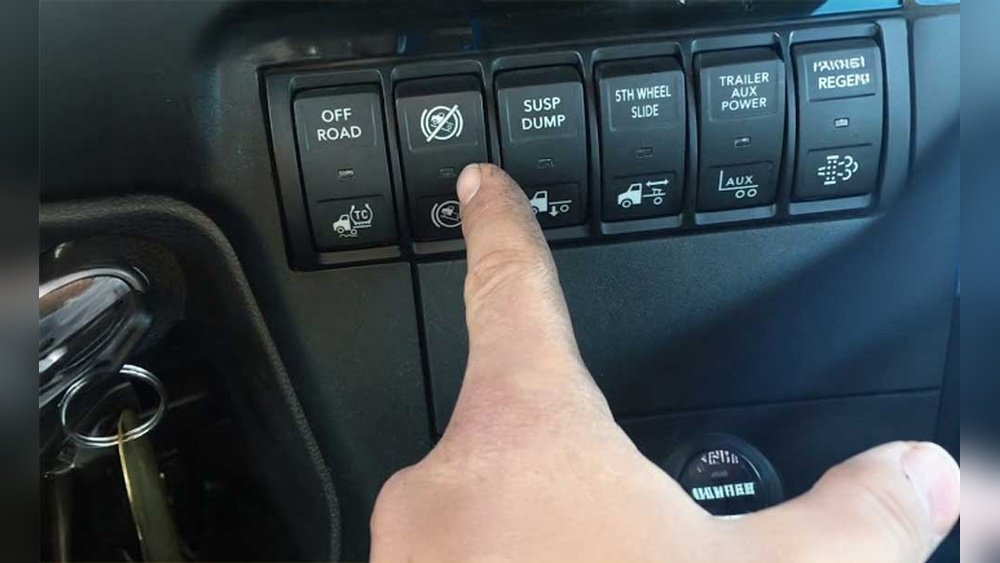
If your ABS brake light just popped on, you might be feeling a mix of confusion and concern—and that’s completely normal. This light isn’t just a random warning; it’s your car’s way of telling you there’s an issue with the anti-lock braking system, which plays a crucial role in keeping you safe on the road.
But here’s the good news: sometimes resetting that ABS brake light is simpler than you think. You’ll discover easy, step-by-step methods to reset your ABS light yourself. Whether it’s a quick fix like topping off brake fluid or clearing error codes, you’ll learn how to take control and get that light off your dashboard.
Ready to save time and avoid unnecessary trips to the mechanic? Keep reading, and let’s get your ABS light back to normal.
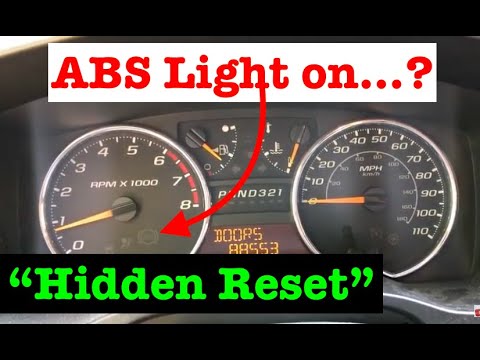
Credit: www.youtube.com
Common Abs Light Causes
The ABS brake light can signal many issues beyond simple sensor faults. Understanding other potential ABS problems helps in proper diagnosis. Some problems affect system performance and safety. Identifying these early can prevent costly repairs and ensure safe driving.
Worn Brake Components
Brake pads and rotors wear out over time. Excessive wear can cause the ABS light to turn on. Worn components may change wheel speed signals. This confuses the ABS system, triggering a warning light. Regular brake inspection keeps the ABS functioning well.
Damaged Tone Ring
The tone ring sends wheel speed data to the ABS sensor. Dirt, rust, or cracks can damage this ring. A damaged tone ring causes incorrect speed readings. The ABS system then detects errors and lights the warning. Cleaning or replacing the tone ring often fixes this issue.
Faulty Hydraulic Pump
The hydraulic pump controls brake pressure during ABS activation. A faulty pump can stop pressure changes. This failure triggers the ABS warning light. Pump issues reduce braking efficiency and ABS function. Repair or replacement by a mechanic is usually needed.
Other Potential Abs Problems
The ABS brake light signals issues in your vehicle’s anti-lock brake system. Resetting this light often helps restore normal operation and alerts you if problems persist. Follow simple steps to check and reset the ABS light safely. This process saves time and avoids unnecessary repairs.
Check And Refill Brake Fluid
Start by checking your brake fluid level. Low fluid can trigger the ABS light. Locate the brake fluid reservoir under the hood. Look for the minimum and maximum marks on the container. If the fluid is below the minimum mark, add the recommended brake fluid. Use a clean funnel to avoid contamination. After refilling, check if the ABS light turns off after driving a short distance.
Scan Abs Codes
Use an OBD-II scanner to read ABS trouble codes. These codes pinpoint the exact issue in the ABS system. Plug the scanner into your car’s diagnostic port, usually under the dashboard. Turn on the ignition without starting the engine. Follow the scanner instructions to retrieve ABS codes. Write down the codes for reference. This helps identify if sensors or other parts need attention.
Clear Abs Codes With Scanner
After noting the ABS codes, use the scanner to clear them. This step resets the ABS light in many cases. Select the option to clear or erase codes on the scanner. Wait for confirmation that codes are cleared. Turn off the ignition and then restart the car. If the ABS light stays off, the reset worked. If it returns, further repair is needed.
Perform A Quick Abs Reset
Some vehicles allow a quick ABS reset without tools. Start by turning off the engine and removing the key. Press the brake pedal firmly and hold it for about 10 seconds. Release the brake pedal and turn the ignition to the “on” position without starting. Wait a few seconds and then start the engine. Check if the ABS light is off. This method works for minor glitches in the ABS system.
Steps To Reset Abs Light
Knowing when to seek professional help is crucial while dealing with the ABS brake light. Some problems require expert skills and tools to diagnose and fix safely. Attempting complex repairs without proper knowledge can cause more damage or risk your safety.
Recognizing these situations helps you avoid costly mistakes and ensures your vehicle remains safe to drive. Below are key points to consider before deciding to visit a professional mechanic.
Safety Considerations
ABS controls your car’s braking in emergencies. Faulty repairs might cause brake failure. Professionals follow strict safety protocols and use proper tools. They ensure your car brakes correctly after repairs. Your safety depends on reliable ABS function.
Complex Abs Module Repairs
The ABS module is an electronic control unit. It requires special knowledge to repair or replace. Damage inside the module can be hidden or hard to find. Only trained technicians understand the wiring and software. Complex issues need professional attention to fix properly.
Using Specialized Diagnostic Tools
ABS systems need advanced diagnostic scanners to read error codes. These tools identify the exact cause of the problem. Ordinary code readers may miss ABS-specific faults. Professionals have access to the latest diagnostic equipment. They can reset the ABS light safely after repairs.

Credit: us.haynes.com
When To Seek Professional Help
Resetting the ABS brake light at home saves time and money. Simple tools and careful steps make this task manageable. Safety matters most during any brake system work. Follow clear tips and observe precautions to avoid further issues.
Understanding what tools are needed helps prepare you for the job. Avoiding common mistakes prevents damage and frustration. Regular maintenance reduces the chance of the ABS light turning on again.
Tools Needed For Abs Reset
Gather these tools before starting the reset process. An OBD-II scanner is essential to read and clear ABS codes. A basic socket set helps access brake system parts if needed. Gloves protect your hands from dirt and chemicals. A flashlight can improve visibility under the hood and near wheels.
Avoiding Common Mistakes
Do not ignore warning signs or skip diagnostics. Clearing the ABS light without fixing the root cause can be dangerous. Avoid using cheap or incorrect tools that may damage sensors. Do not disconnect the battery randomly; this can reset codes but also affect other systems. Always follow the vehicle’s manual and safety instructions carefully.
Regular Maintenance To Prevent Abs Issues
Check brake fluid levels often and top up if low. Clean wheel speed sensors gently to remove dirt and rust. Inspect wiring for cuts or corrosion regularly. Replace worn brake pads and rotors promptly. Schedule professional brake system checks yearly to catch problems early.
Credit: www.youtube.com
Frequently Asked Questions
What Is The Most Common Reason For The Abs Light To Come On?
The most common reason for the ABS light to come on is a faulty or dirty wheel speed sensor. Low brake fluid also often triggers it. These issues affect the anti-lock braking function but usually do not disable regular brakes.
Prompt diagnosis is essential for safety.
Can Autozone Check Abs Light?
Yes, AutoZone can check your ABS light by scanning the system for trouble codes. They use diagnostic tools to identify ABS issues quickly.
What Should You Do If Your Abs Warning Light Stays On?
Check your brake fluid level and top it off if low. Use a scanner to read ABS trouble codes. Have a mechanic diagnose and fix the issue promptly to ensure safe braking. Avoid driving aggressively until the problem is resolved.
Why Is My Abs And Brake Light On But My Brakes Work Fine?
Your ABS and brake light may stay on due to a faulty wheel speed sensor, low brake fluid, or an ABS module issue. Brakes still work because the standard braking system operates separately from ABS. Have a mechanic scan for trouble codes to identify and fix the problem promptly.
What Causes The Abs Brake Light To Turn On?
Common causes include a faulty wheel speed sensor, low brake fluid, or damaged wiring.
Conclusion
Resetting the ABS brake light is a useful skill for car owners. Start by checking brake fluid and wheel sensors. Use an ABS scanner to find specific faults. Clear error codes carefully to avoid repeated warnings. Remember, safety matters most—do not ignore warning lights.
Seek expert help if problems persist or seem complex. Keeping the ABS system in good shape helps ensure safe driving. Simple steps can save time and money before visiting a mechanic. Stay alert to your car’s signals for a smooth ride.