
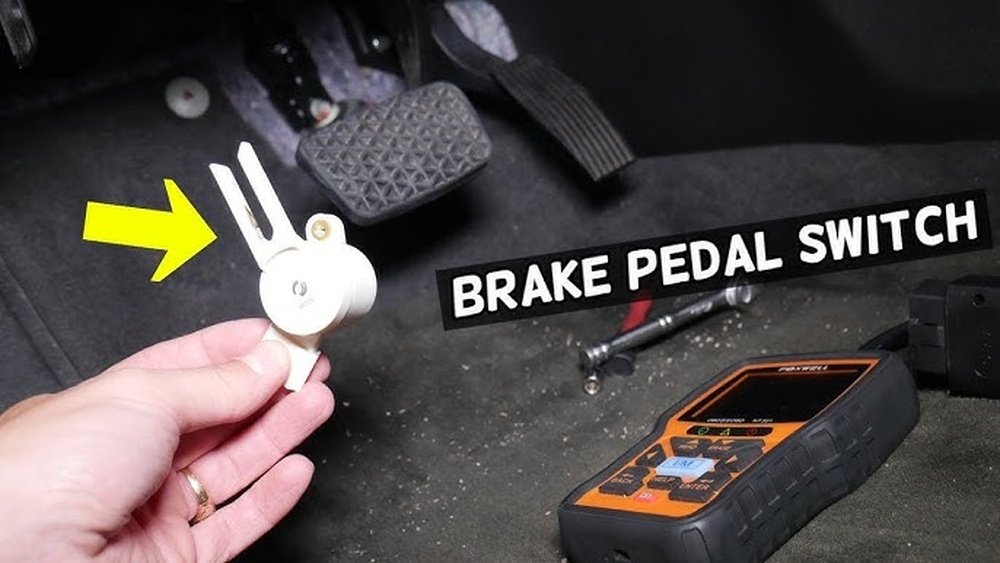
Is your brake pedal acting strangely or your brake lights staying on when they shouldn’t? These issues often point to a problem with your brake pedal position sensor.
If you’ve noticed your cruise control failing or trouble shifting out of park, it might be time to reset this sensor. The good news is, you don’t always need to rush to a mechanic. With a few simple steps, you can reset your brake pedal position sensor yourself and get your vehicle running smoothly again.
Keep reading to learn exactly how to do it safely and effectively—your car will thank you!
Brake Pedal Sensor Basics
The brake pedal position sensor plays a key role in vehicle safety and performance. This sensor monitors the position of the brake pedal. It sends signals to the car’s computer system to control brake lights, cruise control, and stability systems.
Understanding the basics of this sensor helps in identifying problems early. It also guides you on how to reset or replace the sensor if needed. Keep reading to learn about its function and common failure signs.
Sensor Function
The brake pedal position sensor detects how far the brake pedal is pressed. It sends this data to the vehicle’s control module. This helps the system decide when to turn on brake lights. It also manages safety features like ABS and cruise control.
When you press the brake, the sensor sends a signal to alert other drivers. This improves road safety by reducing the risk of rear-end collisions. The sensor also helps the car’s computer adjust engine and transmission settings for smooth operation.
Common Symptoms Of Failure
A faulty brake pedal sensor causes several issues. Brake lights may stay on even when you are not pressing the pedal. Sometimes, the brake lights might not turn on at all. This is dangerous and can cause accidents.
Other symptoms include problems with cruise control. The system may not activate or may turn off unexpectedly. The car might also show warning lights on the dashboard. In some cases, the vehicle may not start or the ABS may not work correctly.

Credit: www.youtube.com
Tools And Preparation
Before resetting the brake pedal position sensor, gather the right tools and prepare properly. This step ensures a smooth and safe process. Having everything ready saves time and prevents mistakes. Follow the guidelines below to get started.
Required Tools
- Basic socket set or wrench
- Flathead screwdriver
- Multimeter to check electrical connections
- OBD-II scanner for sensor reset
- Work gloves to protect your hands
- Flashlight to see clearly under the dashboard
- Service manual for your vehicle model
Safety Precautions
Park the vehicle on a flat surface to avoid movement. Turn off the engine and remove the key from the ignition. Engage the parking brake to secure the car. Wear gloves to protect your hands from sharp edges and dirt. Avoid loose clothing that might get caught in parts. Disconnect the battery if you plan to work with electrical components. Always follow the vehicle’s manual instructions carefully.
Step-by-step Reset Process
Resetting the brake pedal position sensor can solve many brake-related issues. Following a clear, step-by-step process ensures the sensor recalibrates correctly. This guide explains each step in simple terms. It helps you reset the sensor safely and effectively.
Position Vehicle Safely
Park the vehicle on a flat, level surface. Turn off the engine completely. Engage the parking brake to prevent any movement. Ensure the area around the vehicle is clear and safe. This step protects you and your vehicle during the reset process.
Press And Release Brake Pedal
Gently press the brake pedal down fully. Hold it for a few seconds. Then, slowly release the pedal back up. Repeat this action three to five times. This helps the sensor detect the pedal’s normal range of motion.
Use Diagnostic Scanner
Connect a compatible diagnostic scanner to the vehicle’s OBD-II port. Turn on the ignition without starting the engine. Use the scanner to access the brake pedal position sensor settings. Follow the scanner prompts to begin the reset process. This tool communicates directly with the vehicle’s computer.
Reset Sensor Via Vehicle Settings
Navigate to the brake system menu in the vehicle’s settings. Look for an option to reset or recalibrate the brake pedal sensor. Select this option and confirm your choice. The vehicle will perform the reset automatically. Wait for a message confirming completion before turning off the ignition.
Troubleshooting Issues
Troubleshooting issues with the brake pedal position sensor requires a step-by-step approach. The sensor plays a key role in brake function and safety systems. Faults can cause brake lights to stay on or affect cruise control and ABS. Resetting the sensor is a good first step but may not fix all problems.
When the reset does not solve the issue, further checks are necessary. Testing the sensor with a multimeter helps determine if it is working properly. Also, inspecting the wiring can uncover broken or loose connections that affect sensor signals. Proper diagnosis saves time and prevents unnecessary part replacements.
When Reset Doesn’t Work
Resetting the brake pedal position sensor may fail if the sensor is damaged. Electrical faults or mechanical wear can cause persistent errors. Warning lights on the dashboard might remain active. The brake lights might not respond as expected. In these cases, more detailed testing is needed to identify the root cause.
Testing Sensor With Multimeter
Use a multimeter to check the sensor’s resistance and voltage output. Disconnect the sensor connector carefully. Set the multimeter to measure resistance or voltage as per sensor specs. Press the brake pedal slowly and watch for changes in readings. Stable and expected changes indicate a good sensor. No change or erratic values suggest sensor failure.
Checking Sensor Wiring
Inspect wiring harnesses connected to the sensor for damage or corrosion. Look for frayed wires, loose connectors, or broken pins. Wiggle wires gently while monitoring sensor output to find intermittent faults. Clean connectors with electrical contact cleaner if dirty. Repair or replace damaged wiring to restore proper sensor function.
Replacement Tips
Replacing the brake pedal position sensor requires careful attention. Proper replacement ensures the sensor works correctly and your vehicle stays safe. Follow these tips to pick the right sensor, install it properly, and calibrate it after replacement.
Choosing The Right Sensor
Select a sensor that matches your vehicle’s make, model, and year. Use OEM parts or high-quality aftermarket sensors. Check the sensor’s specifications to ensure compatibility. Avoid cheap or untested products that may fail quickly.
Installation Steps
Turn off the engine and engage the parking brake. Locate the brake pedal position sensor near the brake pedal arm. Disconnect the electrical connector carefully to avoid damage. Remove the old sensor by unscrewing or unclipping it. Install the new sensor in the same position and secure it tightly. Reconnect the electrical connector firmly to ensure proper contact.
Post-replacement Calibration
Some vehicles need sensor calibration after replacement. Follow your vehicle’s service manual for calibration steps. Usually, this involves turning the ignition on without starting the engine. Press and release the brake pedal several times slowly. Use a diagnostic tool if required to reset sensor codes. Confirm the sensor works by checking brake lights and pedal response.

Credit: www.brakeandfrontend.com
Preventive Maintenance
Preventive maintenance plays a key role in keeping your brake pedal position sensor working well. Regular care stops small issues from growing into big, costly repairs. It also helps keep your brakes safe and reliable every time you drive. Simple checks and proper brake pedal care extend the sensor’s life and maintain smooth brake function.
Regular Sensor Checks
Check the brake pedal position sensor often. Look for signs of wear, dirt, or damage. Clean the sensor gently with a dry cloth to remove dust. Avoid using water or harsh chemicals. Use a diagnostic tool to read sensor data if you can. Early detection of faults helps fix problems before they affect braking.
Brake Pedal Care
Keep the brake pedal free from dirt and debris. Dirt buildup can block sensor signals. Press and release the brake pedal smoothly every day. Avoid slamming or forcing the pedal hard. Proper pedal movement helps the sensor stay calibrated and accurate. Replace worn pedal pads to maintain good grip and control.

Credit: www.reddit.com
Frequently Asked Questions
How Do You Reset A Brake Pedal Position Sensor?
Turn off the engine and engage the parking brake. Press and release the brake pedal several times. Use an OBD-II scanner to clear fault codes if needed. Some vehicles require sensor recalibration via diagnostic tools. Always consult your vehicle’s manual for specific reset procedures.
How Do You Reset A Pedal Position Sensor?
Turn off the engine and engage the parking brake. Press and release the pedal several times to recalibrate. Use an OBD-II scanner to clear codes if needed. Replacement may be necessary if resetting fails.
What Happens When A Brake Pedal Position Sensor Fails?
A failed brake pedal position sensor can cause brake lights to stay on or not work. It may disable cruise control, prevent starting, and trigger ABS or stability control warnings.
How To Tell If A Pedal Position Sensor Is Bad?
A bad pedal position sensor causes inconsistent acceleration, rough idling, stalling, or poor fuel economy. Brake sensor issues include brake lights staying on, starting problems, or ABS warnings. The Check Engine Light often appears, and limp mode may activate. Use an OBD-II scanner or multimeter for diagnosis.
How Do I Reset The Brake Pedal Position Sensor?
Turn off the engine and set the parking brake. Press and release the brake pedal several times to recalibrate the sensor.
Conclusion
Resetting the brake pedal position sensor helps keep your vehicle safe. Follow the steps carefully for best results. Regular sensor checks prevent brake light or cruise control issues. Simple actions like pressing the brake pedal several times can aid recalibration.
Always ensure your car is off and parked on a flat surface before starting. Proper sensor function supports smooth driving and avoids costly repairs. Stay attentive to warning signs and address problems early. This keeps your braking system reliable and your driving experience worry-free.