
Is your e-bike battery acting up? Maybe it won’t charge properly, shows wrong power levels, or suddenly cuts off while riding.
You’re not alone, and the good news is many of these issues can be solved by simply resetting your e-bike battery. Knowing how to reset your battery can save you time, money, and frustration—getting your ride back on track quickly.
In this guide, you’ll discover straightforward, step-by-step methods to reset your e-bike battery safely and effectively. Ready to bring your battery back to life? Keep reading, and you’ll learn exactly what to do next.

Credit: yotobike.com
Signs Battery Needs Reset
Knowing when your e-bike battery needs a reset helps avoid sudden issues. A reset can fix small problems before they become big. Watch for signs that show your battery is not working right.
These signs include wrong charge levels, power stops, and screen errors. Catching these early keeps your e-bike running smoothly. Below are key signs to check.
Inaccurate Charge Readings
The battery meter shows how much power remains. If it jumps or stays the same for a long time, it is wrong. Your e-bike may say full one moment, then empty the next. This confuses you about when to recharge. A reset can help the battery give correct readings again.
Unexpected Power Cut-offs
The e-bike may shut down without warning. You might lose power while riding, even if the battery is not empty. This sudden cut-off shows the battery’s control system is confused. Resetting the battery often stops these power losses. It helps the battery and motor communicate properly.
Display Errors And Malfunctions
The control panel or screen may show wrong info or stop working. You could see error codes or flickering lights. Sometimes, the display freezes or does not respond. These problems often mean the battery’s system needs a reset. Doing this refreshes the connection and clears errors.
Basic Reset Steps
Resetting your e-bike battery can solve many common issues. Follow these basic steps carefully to ensure a proper reset. Each step helps refresh the battery and improve performance. This guide uses simple actions anyone can do safely.
Power Down The E-bike
Start by turning off your e-bike completely. Make sure all lights and displays are off. This step prevents any electrical flow during the reset process. It keeps you safe and protects the battery system.
Remove And Inspect Battery
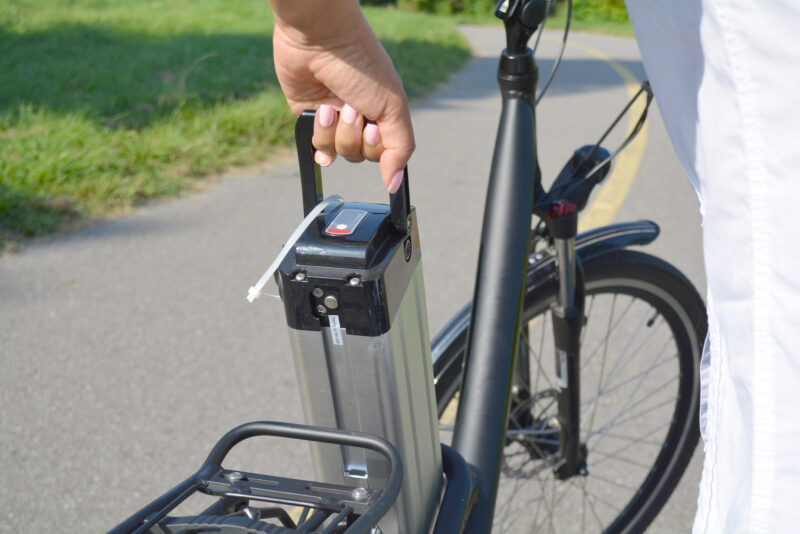
Next, carefully remove the battery from the bike. Check the battery for any visible damage. Look for cracks, swelling, or leaks. Inspect the connectors and wires for loose or broken parts. This helps identify any physical issues before resetting.
Clean Battery Terminals
Use a dry microfiber cloth to clean the battery terminals. Remove dirt, dust, or corrosion gently. Clean terminals ensure a good connection and proper charging. Avoid using water or liquids on the battery.
Reinstall Battery Securely
Place the battery back into its mount firmly. Push until you hear a click or feel it lock in place. A secure fit prevents connection problems and helps the battery work correctly. After reinstalling, turn on the e-bike and check its function.
Using Reset Button
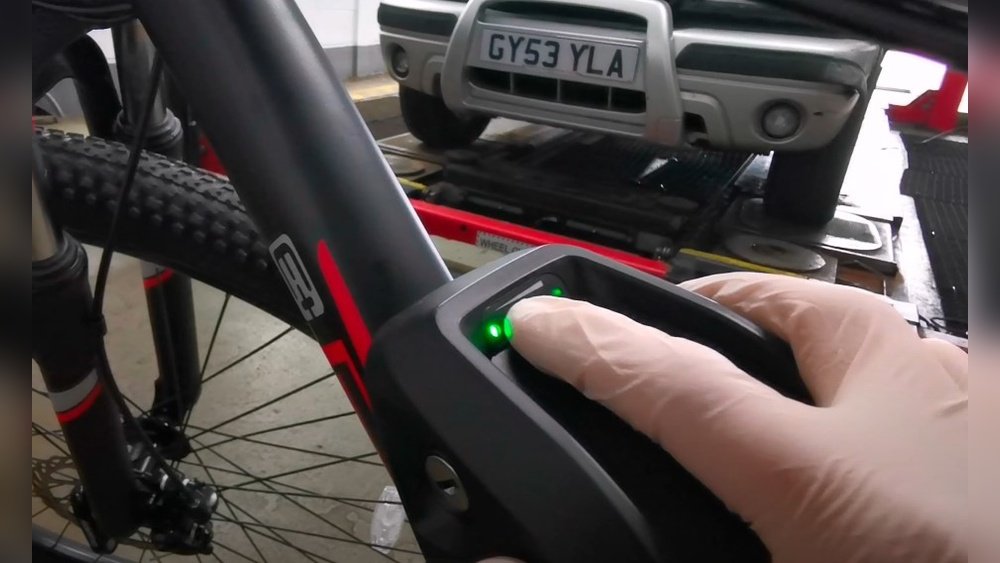
Using the reset button on your e-bike battery is a quick way to solve common issues. This method helps fix power cut-offs, wrong battery readings, and display errors. The reset button is usually small and sometimes hidden. Pressing and holding it resets the battery management system (BMS), which controls battery safety and performance.
Locating The Reset Button
First, find the reset button on your e-bike battery. Look near the battery terminals or under a small cover. The button may be inside a tiny hole. Use a flashlight to spot it if needed. Check your bike manual for exact location. The button is often recessed to prevent accidental presses.
How To Press And Hold
Once found, use a small tool like a paperclip to press the button. Hold it down for about 5 to 10 seconds. Keep the button pressed until you feel or hear a click. This action resets the battery’s internal system. Do not release the button too soon. If unsure, repeat the process for safety.
Reinstall And Charge Battery
After resetting, put the battery back into its slot. Make sure it clicks firmly into place. Turn on your e-bike and connect the charger. Charge the battery fully before using your bike. A full charge helps the battery system recalibrate. Avoid interrupting the charging process for best results.
Reset Without Reset Button
Resetting an e-bike battery without a reset button is possible by working directly with the battery components. Some batteries do not have a physical reset button, so a manual method helps restore proper function. This process involves disconnecting wires, briefly charging, and then reconnecting the battery. Follow each step carefully to avoid damage and ensure safety.
Disconnecting Bms Wire Harness
Start by turning off the e-bike and removing the battery from the frame. Locate the BMS wire harness, which connects the battery management system to the battery pack. Gently unplug this wire harness from the battery. Do not force the connection to avoid breaking the wires or connectors. Disconnecting the BMS wire resets the battery’s internal system.
Brief Charger Connection
With the BMS wire harness disconnected, plug the charger into the battery briefly. Connect the charger for about 30 seconds to 1 minute only. This step provides a small charge to the battery cells, helping to wake up the battery from a low or sleep state. Remove the charger after the brief charge period.
Reconnecting And Reinstalling Battery
After removing the charger, reconnect the BMS wire harness firmly back into the battery. Ensure the connection is secure and the wires are not loose. Reinstall the battery into the e-bike frame. Turn on the e-bike and check if the battery and display show normal operation. This step completes the manual reset process.
Safety Precautions
Always wear gloves and avoid touching metal parts during this process. Work in a dry area to reduce the risk of electric shock. Do not use excessive force when disconnecting or reconnecting wires. If unsure, consult a professional technician for help. Handling battery components incorrectly may cause damage or injury.
Battery Management System (bms) Role
The Battery Management System (BMS) plays a crucial role in your e-bike’s battery health and performance. It acts as the brain of the battery, managing many important functions. Understanding the BMS helps you know why and how to reset your e-bike battery effectively.
What Bms Controls
The BMS controls charging and discharging of the battery cells. It balances the voltage across cells to prevent damage. It monitors temperature to avoid overheating. The BMS also protects the battery from overcharging and deep discharge. It ensures safety and extends battery life.
Common Bms Issues
The BMS can sometimes cause problems like incorrect battery level readings. Sudden power cuts or shutdowns may happen. The display might show errors or fail to update properly. These issues often arise from connection problems or software glitches. Faulty sensors or damaged wiring can also affect BMS function.
When Bms Reset Helps
Resetting the BMS can fix inaccurate battery readings. It may solve unexpected power cut-offs during rides. Reset can clear display errors caused by BMS faults. This process recalibrates the system and restores normal function. Use reset as a troubleshooting step before replacing the battery.
Credit: www.merryebike.com
Battery Calibration Tips
Calibrating your e-bike battery helps keep its performance accurate and reliable. Proper calibration improves battery life and prevents sudden power drops. Follow these simple tips to ensure your battery stays balanced and efficient after a reset.
Power Cycling For Calibration
Power cycling means turning your e-bike off and on several times. This process helps the battery management system (BMS) reset and recognize the battery’s true charge level. Turn off the bike, remove the battery, wait a few minutes, then reinsert and turn it back on. Repeat this cycle two or three times for best results.
Fully Charging After Reset
After resetting, always charge the battery fully before use. A full charge allows the BMS to recalibrate the battery cells properly. Connect the charger and leave it until the battery reaches 100%. Avoid partial charging, as it can lead to inaccurate battery readings and reduce overall battery health.
Balancing Cell Voltages
Balancing cell voltages prevents damage and extends battery life. It ensures all battery cells have equal voltage levels. Some chargers have a balancing feature. If yours does not, let the battery rest fully charged for several hours. This rest period allows the cells to stabilize naturally, improving performance and safety.
Troubleshooting Charging Problems
Troubleshooting charging problems is key to keeping your e-bike running smoothly. Charging issues often stem from simple problems. Identifying the cause helps avoid costly repairs. Follow these steps to diagnose and fix charging faults quickly.
Checking Voltage With Voltmeter
Use a voltmeter to check the battery voltage. This tool shows if the battery holds a charge. Connect the voltmeter leads to the battery terminals. A healthy battery should show a voltage close to its rated value. Low voltage means the battery needs charging or may be faulty.
Inspecting Battery Connections
Loose or dirty connections block power flow. Remove the battery from the e-bike. Check the connectors for dirt, corrosion, or damage. Clean terminals gently with a dry cloth. Make sure all plugs fit tightly and securely. Poor contact often causes charging failures.
Evaluating Charger Performance
Test the charger to see if it works properly. Look for any signs of damage on the charger cable or plug. Use a multimeter to measure the charger’s output voltage. If the charger delivers no voltage or fluctuates, replace it. A faulty charger cannot recharge the battery correctly.
When To Seek Professional Help
Knowing when to seek professional help for your e-bike battery is crucial. Some issues need expert care to avoid damage or safety risks. Professionals have the right tools and knowledge to handle complex battery problems safely. This section explains key signs that indicate it’s time to get help.
Persistent Reset Failures
Sometimes, resetting the battery does not work after several attempts. If the battery still won’t respond or power on, it could mean a deeper issue. Repeated reset failures suggest that DIY fixes are no longer enough. Continuing to try resets might damage the battery further. A professional can diagnose the root cause and offer proper repair or replacement options.
Faulty Bms Or Battery Cells
The Battery Management System (BMS) controls charging and safety functions. If the BMS is faulty, the battery may not charge or discharge correctly. Faulty cells inside the battery pack can cause poor performance or safety hazards. Detecting these problems requires specialized equipment. Only a trained technician should open or repair the battery pack to prevent injury or fire risks.
Authorized Service Options
Contact the e-bike manufacturer or authorized service centers for repairs. These providers use genuine parts and follow safety standards. They offer warranty coverage and reliable support. Avoid unauthorized repair shops that may use low-quality parts or methods. Choosing authorized services ensures your battery remains safe and functional for longer.
Preventive Maintenance Tips
Preventive maintenance keeps your e-bike battery healthy and extends its life. Simple habits protect the battery’s performance. These tips help avoid common battery problems. Follow these easy steps for better battery care.
Regular Terminal Cleaning
Clean battery terminals often to remove dirt and corrosion. Use a dry microfiber cloth for best results. Dirty terminals cause poor connection and charging issues. Regular cleaning ensures smooth power flow. Always turn off your e-bike before cleaning.
Avoiding Deep Discharge
Do not let the battery drain completely. Deep discharge can damage battery cells and reduce lifespan. Charge your battery before it falls below 20%. Frequent shallow discharges help keep the battery healthy. Use your e-bike regularly to maintain battery charge.
Proper Storage Practices
Store your battery in a cool, dry place away from direct sunlight. Avoid extreme temperatures as they harm battery performance. If storing for a long time, keep the charge around 50%. Remove the battery from the bike during storage. Check and recharge the battery every few months.

Credit: haoqiebike.com
Brand-specific Reset Variations
E-bike batteries vary by brand, so resetting methods differ too. Each manufacturer designs its battery management system (BMS) uniquely. This means following a one-size-fits-all reset process might not work. Understanding brand-specific reset variations helps maintain your battery’s health and performance.
Knowing the exact reset procedure avoids damage and ensures safety. Some brands offer simple button resets. Others require more detailed steps involving disconnection or charging sequences. Always check the instructions for your specific e-bike model.
Checking Manufacturer Manual
The first step is to consult your e-bike’s manufacturer manual. Manuals provide clear, accurate reset instructions. They explain if your battery has a reset button or needs special handling. Manuals often include troubleshooting tips for common battery issues.
Find the battery section and look for reset or BMS instructions. This prevents guesswork and reduces the risk of damaging your battery. If you lost your manual, check the brand’s official website. Many brands offer downloadable PDF manuals or support pages.
Examples From Popular Brands
Different brands use distinct reset methods. For example, Bosch batteries often have a hidden reset button. Hold it down for a few seconds after removing the battery. Then reinstall and charge fully to complete the reset.
Shimano batteries may require disconnecting the battery from the bike. Then charging it off the bike before reconnecting. This helps recalibrate the BMS and fix errors.
Specialized e-bike batteries sometimes need a power cycle. Turn off the bike, remove the battery, wait a few minutes, then reinstall and charge. Each brand’s approach varies, so know yours well.
Custom Reset Procedures
Some brands add unique steps to protect battery life. They might require specific charger models or charging times. Others ask for firmware updates or use diagnostic tools for reset.
High-end e-bikes sometimes need software resets via an app or computer connection. This lets you monitor battery health and perform advanced resets.
Always follow custom procedures exactly. Using the wrong method can void warranties or damage cells. Contact customer support if unsure about your battery’s reset process.
Frequently Asked Questions
How To Reset Ebike Battery Without Reset Button?
Turn off the e-bike and remove the battery. Clean terminals with a dry cloth. Reinsert battery until it clicks. Turn on and fully charge to reset.
How Do You Fix An Ebike Battery That Won’t Charge?
Turn off the e-bike and remove the battery. Clean terminals, check charger and connections. Reset the BMS if possible. Reinstall battery and charge fully. Seek professional help if issues persist.
How Do You Reset The Bms On A Ebike Battery?
Turn off the e-bike and remove the battery. Clean terminals, then reinstall it securely. Turn on and fully charge to reset the BMS. Some batteries have a reset button; press it if available. For persistent issues, seek professional help.
How To Wake Up An Electric Bike Battery?
Turn off the e-bike and remove the battery. Clean terminals, then reinstall it firmly. Fully charge the battery to reset the BMS and wake it up.
How Do I Reset An E-bike Battery Without A Reset Button?
Turn off the bike, remove the battery, clean terminals, reinsert it firmly, and charge fully.
Conclusion
Resetting your e-bike battery can solve many common issues quickly. Always turn off the bike before starting the process. Remove the battery and clean its terminals gently. Press the reset button if available, or follow your manual’s steps carefully. Recharge the battery fully after resetting to help recalibrate it.
Watch for signs like power cuts or wrong battery readings. If problems persist, seek professional help to avoid damage. Taking these simple steps keeps your e-bike running smoothly and extends battery life. Simple care makes a big difference.