
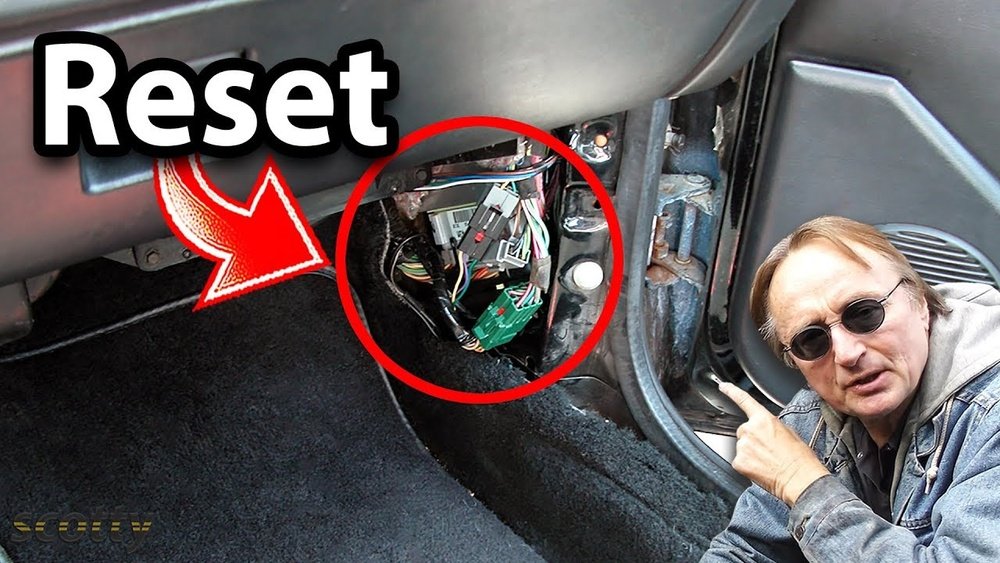
Is your car’s performance feeling off lately? Maybe the engine light popped on, or it just doesn’t run as smoothly as before.
Before you rush to the mechanic, there’s a simple trick you can try yourself: resetting your car’s ECU (Engine Control Unit). This reset can clear out old data and help your car’s computer relearn how to run efficiently. You’ll discover easy, step-by-step methods to reset your ECU safely—no fancy tools needed.
Keep reading to learn how this quick fix could save you time, money, and frustration on the road!
Why Reset Ecu
Resetting the ECU (Engine Control Unit) can help your car run better. The ECU controls many engine functions. Over time, it learns from your driving style and adapts. Sometimes, this adaptive memory can cause issues. Resetting the ECU clears this memory and restores settings to default. This process helps fix some problems without visiting a mechanic.
Clear Adaptive Memory
The ECU adjusts fuel mix and timing based on past driving. This is called adaptive memory. It helps improve fuel efficiency and performance. Sometimes, the memory stores bad data from rough driving or old parts. Resetting clears this data. The ECU starts fresh and can learn better settings again.
Fix Check Engine Light
The Check Engine Light often turns on due to stored error codes. These codes may no longer be valid after repairs. Resetting the ECU clears these codes. It turns off the Check Engine Light if the problem is fixed. This lets you see if the issue comes back or is fully gone.
Restore Performance
When the ECU has wrong data, engine performance can drop. You may notice rough idling or poor fuel economy. Resetting the ECU can fix these issues. It allows the engine to run smoothly with default settings. After reset, the ECU relearns how to optimize performance based on current conditions.
When To Reset Ecu
Resetting the Engine Control Unit (ECU) is a useful step for many car owners. It helps the vehicle’s computer start fresh with its settings. Knowing the right time to reset the ECU can save time and improve car performance. It is not needed all the time but can be very helpful in certain situations.
After Repairs
After fixing engine parts or sensors, resetting the ECU is important. It clears old data and error codes stored in the computer. This allows the ECU to learn the new part’s behavior. The car runs smoother and more efficiently with updated settings. Mechanics often reset the ECU after repairs to prevent false warnings.
Troubleshooting Issues
Resetting the ECU helps diagnose car problems. It removes stored errors and lets you see if issues return. If the Check Engine Light stays off after reset, the problem might be solved. If it comes back, further repairs are needed. This step helps narrow down the cause of engine troubles.
Improving Fuel Economy
The ECU adapts to driving habits and engine conditions over time. Sometimes, these changes can reduce fuel efficiency. Resetting the ECU clears old data and allows the system to relearn optimal settings. This can improve fuel economy and engine performance. It is a simple way to help your car run better on gas.
Battery Disconnect Method
The Battery Disconnect Method is a simple way to reset the ECU in your car. This method clears the memory of the car’s computer by cutting off its power supply. It helps erase temporary errors and resets the engine’s settings to default. Follow these easy steps for a successful reset.
Turn Off Vehicle
Make sure the car is completely turned off. Remove the key from the ignition. This step ensures no electrical current flows while working on the battery.
Locate Battery
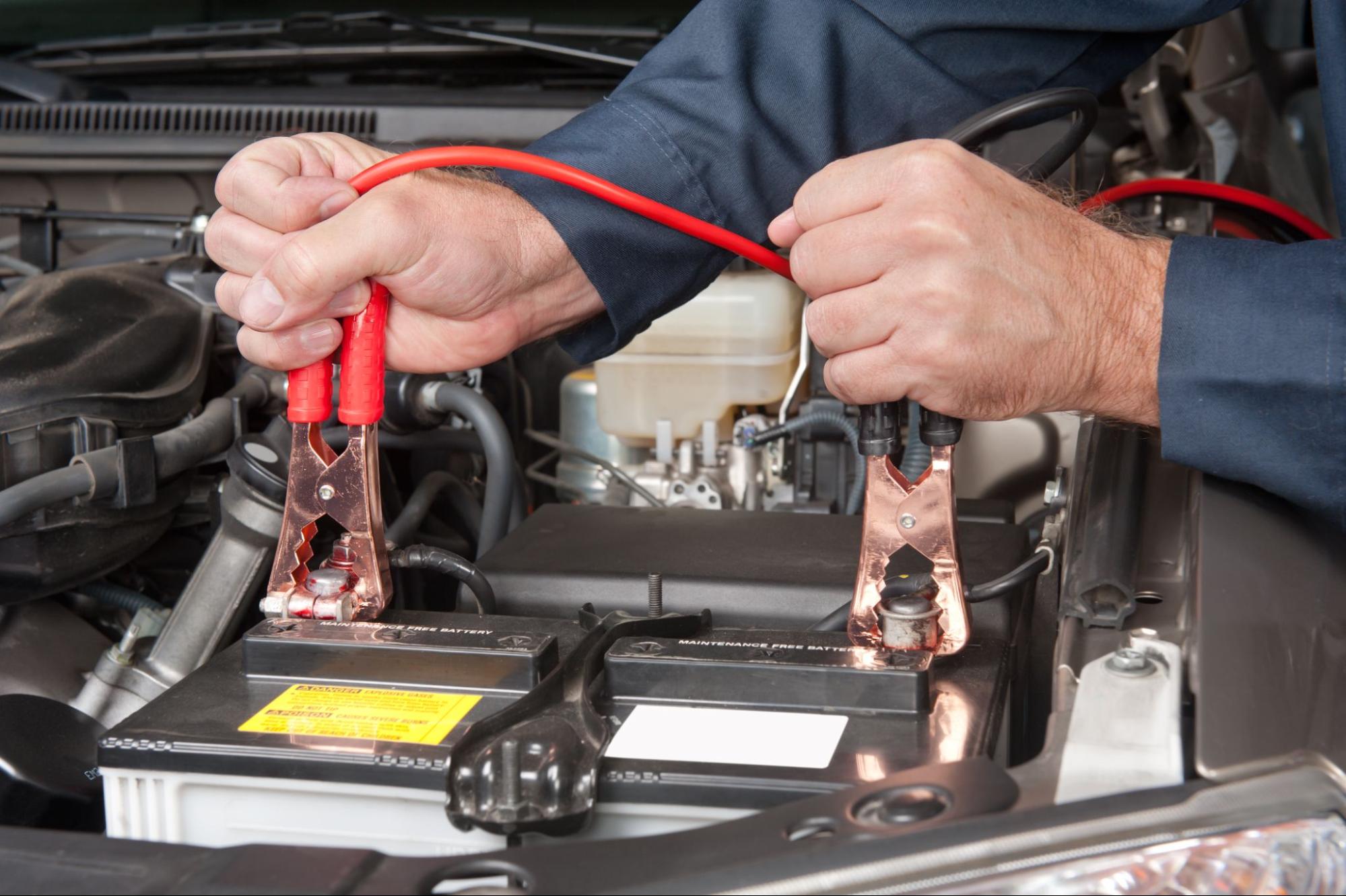
Open the car’s hood to find the battery. It usually sits near the front of the engine bay. Identify the negative terminal, marked with a minus (-) sign or black color.
Remove Negative Cable
Use a wrench to loosen the bolt on the negative cable clamp. Carefully pull the cable off the battery terminal. Keep the cable away from the battery to avoid contact.
Wait And Reconnect
Wait about 10 to 15 minutes. This pause lets the ECU fully reset. Reattach the negative cable to the battery terminal. Tighten the bolt securely with the wrench.

Credit: www.foxwelldiag.com
Fuse Pull Method
The fuse pull method offers a simple way to reset your car’s ECU. This process clears stored data and can help fix minor glitches. It is safe and requires no special tools beyond basic knowledge of your car’s fuse box location. Follow these steps carefully to reset the ECU effectively.
Turn Off Ignition
Begin by turning off your car’s ignition completely. Ensure the engine is not running. Remove the key from the ignition switch. This step prevents any electrical flow while working on the fuse box. Safety first.
Find Fuse Box
Locate the fuse box in your car. It is usually under the dashboard or in the engine bay. Check your owner’s manual if unsure. The fuse box contains several fuses, each controlling different electrical parts.
Remove Ecu Fuse
Identify the fuse labeled “ECU” or “Engine Control Unit.” Use a fuse puller or needle-nose pliers to remove this fuse gently. Keep the fuse out for about 10 to 15 minutes. This action cuts power to the ECU and resets it.
Reinsert Fuse And Relearn
After waiting, reinsert the fuse back into its slot firmly. Turn on the ignition without starting the engine. Let the car idle for 5 to 10 minutes. This lets the ECU relearn the engine’s settings. Finally, drive your car normally to complete the reset process.
Using Obd2 Scanner
Using an OBD2 scanner is a simple and effective way to reset your car’s ECU. This tool connects directly to your vehicle’s onboard computer. It helps clear fault codes and resets the system without needing complex steps. This method saves time and can be done at home.
Most OBD2 scanners come with a user-friendly interface. They guide you through the reset process. The following steps explain how to reset the ECU using an OBD2 scanner safely and correctly.
Connect Scanner
Locate the OBD2 port in your car. It is usually under the dashboard near the steering wheel. Plug the OBD2 scanner into the port firmly. Turn the car ignition to the “On” position, but do not start the engine. Power on the scanner and wait for it to connect with the ECU.
Access Ecu Reset Option
Use the scanner’s menu to find the ECU reset or clear codes option. This might be under “Diagnostics” or “Engine” sections. Follow on-screen instructions carefully. Some scanners require you to enter the vehicle details before proceeding.
Clear Codes
Select the option to clear or erase fault codes. Confirm your choice if prompted. The scanner will send a command to the ECU to clear stored error codes. This action resets the ECU’s adaptive memory and turns off warning lights.
Verify Reset
After clearing codes, turn off the ignition and unplug the scanner. Restart the car and observe the dashboard. Check if the warning lights have turned off. You can also reconnect the scanner to confirm no codes are present. This ensures the ECU reset was successful.

Credit: www.youtube.com
Precautions Before Reset
Resetting the ECU (Engine Control Unit) can help resolve some car issues. Before you reset, take important precautions. These steps protect your car and save time. Resetting without preparation may cause new problems. Follow these guidelines carefully to keep your vehicle safe.
Backup Important Settings
Your car stores many settings in the ECU. These include radio presets, seat positions, and engine tuning. Resetting the ECU will erase these settings. Save or write down important settings before you reset. This prevents losing your preferred configurations. Some cars allow backup via a diagnostic tool or app.
Check Battery Health
A weak or dead battery can cause problems during an ECU reset. Check the battery voltage first. It should be at least 12.4 volts for a healthy battery. A low battery can interrupt the reset process. This may cause the ECU to malfunction. Charge or replace the battery if needed before starting the reset.
Understand Limitations
Resetting the ECU clears error codes and adaptive memory. It does not fix mechanical or electrical problems. The check engine light may come back if the issue remains. Use the reset only as a troubleshooting step. If problems continue, see a professional mechanic. Know that frequent resets without repair can harm your car.
After Reset Tips
Resetting your car’s ECU is only the first step to improving performance. After the reset, the ECU needs time to relearn and adjust to your engine’s behavior. Proper care during this phase helps avoid new errors and ensures smooth engine function. Follow these tips to help your ECU adapt correctly.
Idle Engine For Relearning
Let the engine idle for about 10 to 15 minutes after resetting the ECU. This allows the computer to gather data on engine speed and temperature. Avoid pressing the gas pedal or turning on electrical accessories. Idling helps the ECU rebuild its adaptive memory safely and accurately.
Drive Normally
After idling, drive your car as you usually do. Avoid sudden acceleration or harsh braking. Keep the speed steady and vary the RPM gently. Normal driving signals the ECU to adjust fuel and air mix properly. This phase is important for restoring optimal engine performance.
Monitor For Recurring Issues
Watch your dashboard for any warning lights after the reset. Pay attention to unusual engine sounds or rough idling. If problems return, the root cause may still exist. Consider professional diagnostics to fix underlying issues. Early monitoring helps prevent long-term damage and costly repairs.
Credit: www.solopcms.com
Common Myths
Many people believe a reset of the ECU can solve all car issues instantly. These common myths often lead to false expectations and improper car care. Understanding what an ECU reset can and cannot do helps avoid confusion and unnecessary repairs.
Reset Fixes All Problems
Resetting the ECU does not fix every problem in your car. It only clears temporary data like sensor adjustments. Mechanical or electrical faults remain after a reset. The check engine light may turn off but can come back if the issue persists.
Reset Clears Permanent Codes
Permanent trouble codes cannot be erased by a simple reset. These codes stay stored until the problem is fixed. Resetting only removes pending or temporary codes. Ignoring permanent codes can cause damage or unsafe driving conditions.
Reset Harms Ecu
Resetting the ECU does not damage the unit itself. Car manufacturers design it to handle resets safely. Repeated resets will not harm the ECU hardware. However, frequent resets without fixing issues may stress other car parts.
Frequently Asked Questions
How Do I Manually Reset My Car Ecu?
Turn off the car and open the hood. Disconnect the negative battery cable using a wrench. Wait 15 minutes, then reconnect and tighten the cable. Start the car and let it idle to reset the ECU’s adaptive memory and fault codes.
Will Disconnecting Battery Reset Ecu?
Disconnecting the battery can reset the ECU by clearing adaptive memory and fault codes. It does not fix underlying issues. Relearn may take minutes of idling after reconnection.
What Does Resetting The Ecu Do?
Resetting the ECU clears stored data like fuel trims and fault codes. It helps the engine relearn optimal settings but doesn’t fix underlying issues.
Can You Reset An Ecu With A Scanner?
Yes, you can reset an ECU with a scanner by clearing fault codes and adaptive memory. This helps turn off warning lights but doesn’t fix underlying issues. Always follow scanner instructions to perform the reset safely and correctly.
What Is Ecu Reset And Why Is It Important?
ECU reset clears the car’s computer memory and fault codes. It helps fix minor engine issues and turns off warning lights. This process allows the ECU to relearn fresh driving data.
Conclusion
Resetting your car’s ECU can help clear error codes and improve performance. Follow the steps carefully to avoid issues. Remember, resetting does not fix mechanical problems. Keep your car maintained for best results. Try driving normally after reset to let the ECU relearn.
This simple process saves time and can solve minor glitches. Stay patient and repeat if needed. Your car will thank you with smoother running and fewer warning lights.