
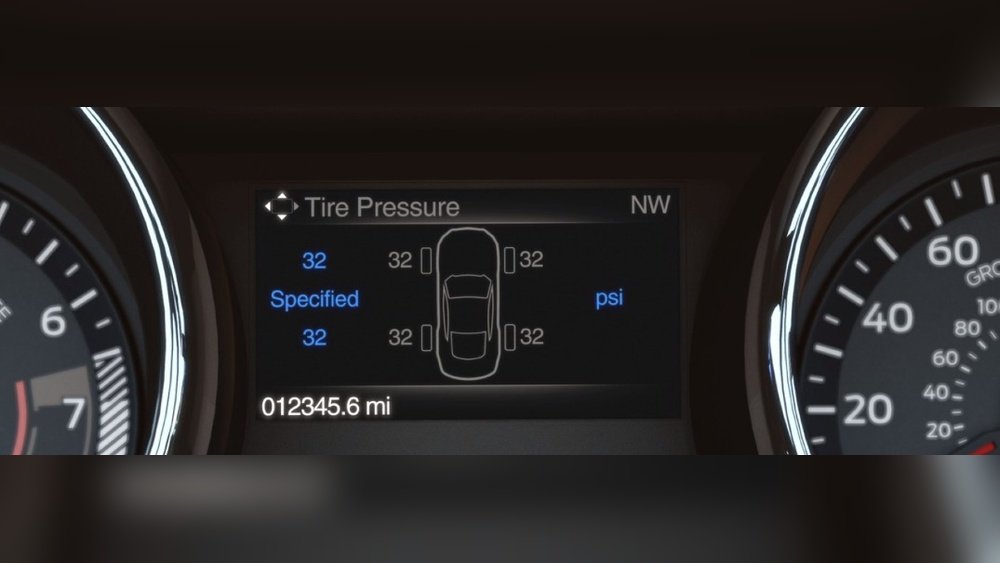
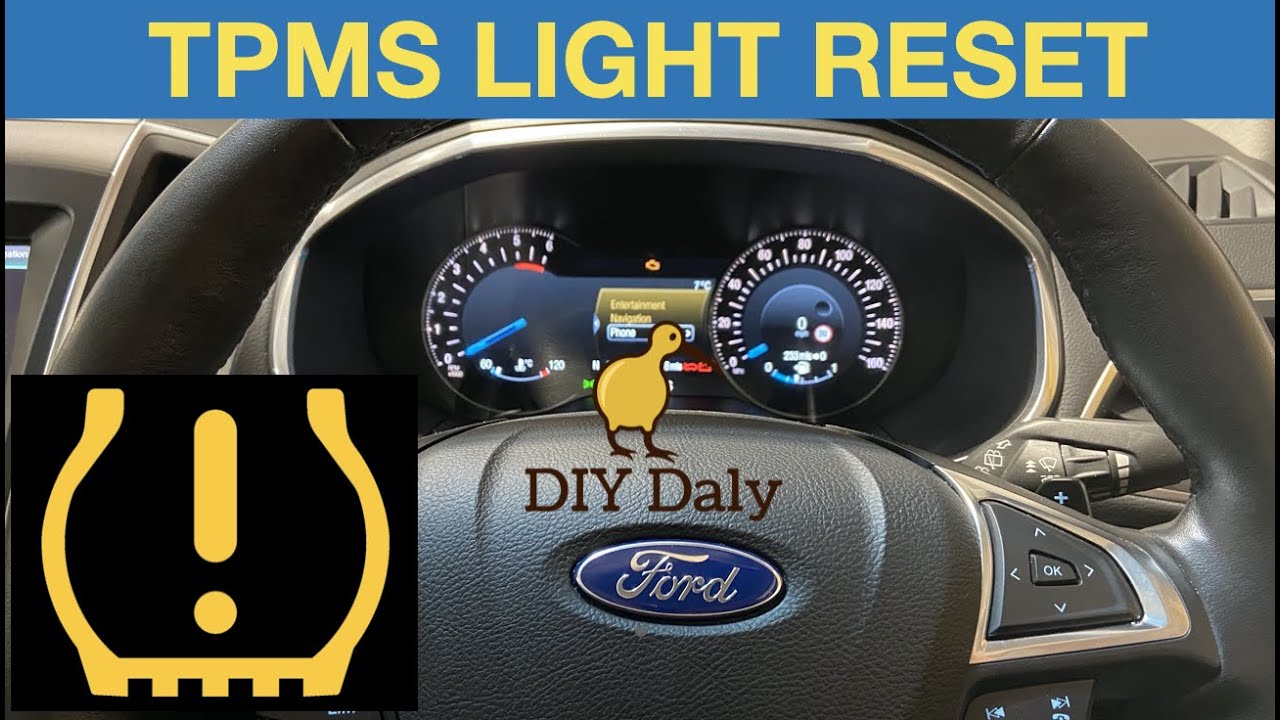
If your Ford’s Tire Pressure Monitoring System (TPMS) light is on, it can be confusing and a bit stressful. You might wonder if there’s a quick fix or if you need to visit the mechanic right away.
The good news is—you can often reset the system yourself, saving time and avoiding unnecessary service visits. Whether you drive an older Ford model with a reset button or a newer one with a touchscreen interface, this guide will walk you through easy, step-by-step methods to get your TPMS light back to normal.
Keep reading to learn exactly how to reset your Ford tire pressure monitor system and keep your drive safe and smooth.
Credit: www.youtube.com
Reset Button Method
The Reset Button Method offers a straightforward way to reset the Ford Tire Pressure Monitor System (TPMS). This approach works well for many older Ford models with a dedicated reset button. It requires no special tools or complex steps. Just a few simple actions can clear the TPMS warning light.
Follow the steps carefully to ensure the system resets properly. The process involves turning the ignition on, locating the reset button, and holding it until the light blinks. Each step is quick and easy to complete.
Turn Ignition On
Start by turning the ignition key to the “On” position. Do not start the engine. This powers the vehicle’s electronics and prepares the TPMS for reset. The dashboard lights will turn on, including the TPMS warning light.
Locate Reset Button
Find the TPMS reset button inside your Ford. It is often under the steering wheel, near the dashboard, or around the glove box. The button is usually small and may be labeled “TPMS” or have a tire icon. Check your owner’s manual if unsure.
Hold Button Until Light Blinks
Press and hold the reset button firmly. Keep holding it for about 3 to 5 seconds. Watch the TPMS warning light on the dashboard. It will blink three times, indicating the reset process has started. Release the button after the blinking stops.

Credit: www.samlemanford.com
Sync Touchscreen Reset
The Sync touchscreen reset is a modern way to reset your Ford’s Tire Pressure Monitoring System (TPMS). This method uses the vehicle’s infotainment screen to make the process simple and quick. You do not need special tools or buttons under the dash. Just follow the steps on the touchscreen to complete the reset. This feature is available on newer Ford models with the Sync system. Resetting the TPMS through the touchscreen helps keep your tire pressure alerts accurate. Proper tire pressure improves safety and fuel efficiency.
Access Settings Menu
Start by turning on your Ford’s ignition. Do not start the engine. Tap the Sync touchscreen to wake it up. Find the “Settings” icon on the home screen. Tap “Settings” to open the menu. This menu controls many vehicle features, including tire pressure.
Select Tire Pressure
Inside the Settings menu, scroll to find “Tire Pressure.” Tap it to open the tire pressure options. Here you will see the current status of each tire’s pressure. This screen lets you monitor the tires and access reset functions.
Initiate Reset Process
Look for the “Reset” button on the Tire Pressure screen. Tap “Reset” to start the system recalibration. The system will scan all tire sensors and clear old warnings. Wait a few moments for the reset to finish. After reset, drive the vehicle a short distance to update the TPMS completely.
General Reset And Relearn
Resetting the Ford Tire Pressure Monitor System (TPMS) often requires a general reset and relearn process. This procedure helps the vehicle recognize each tire’s sensor and calibrate the system. It involves inflating tires, entering a training mode, and deflating tires in sequence to trigger sensor recognition. This method works for many Ford models and restores accurate pressure monitoring.
The steps are simple and can be done without special tools. Follow the process carefully to ensure the TPMS resets correctly. Below are detailed instructions for each step.
Inflate All Tires
Start by checking the tire pressure on all four tires and the spare. Use a reliable pressure gauge to measure each tire. Inflate them to the recommended pressure found on the driver’s door jamb sticker. Proper inflation is crucial for the system to work.
Ensure no tire is underinflated or overinflated before moving to the next step.
Enter Training Mode
Turn the ignition key to the “On” position without starting the engine. Next, cycle the hazard lights on and off three times quickly. The horn will beep to confirm the system entered training mode.
The dashboard display should show a message like “Train Left Front Tire,” indicating readiness to learn sensor signals.
Deflate Tires To Train Sensors
Deflate the driver’s front tire slowly until the horn beeps. This beep signals the sensor has been registered. Repeat this process for the passenger front tire, passenger rear tire, and driver rear tire in that order.
Each tire must trigger a horn beep before moving to the next tire. This step teaches the system to recognize all sensors one by one.
Complete Reset Procedure
After all four tires have been trained, turn the ignition off and then back on. The TPMS warning light should turn off, confirming a successful reset. Drive the vehicle for a few minutes to allow the system to finalize calibration.
If the light remains on, repeat the process or check tire pressures again. This method ensures your Ford’s TPMS works accurately and keeps you safe on the road.
Dealing With Flashing Tpms Light
The flashing Tire Pressure Monitor System (TPMS) light on your Ford signals a problem with the monitoring system. It is different from a steady light that just shows low tire pressure. A blinking TPMS light means the system cannot detect the tire sensors or there is a fault in the system. Ignoring this warning can lead to inaccurate tire pressure readings. This increases the risk of tire damage and unsafe driving conditions.
Fixing a flashing TPMS light involves checking the system and tires carefully. Some issues you can resolve at home. Others need a mechanic’s tools and knowledge. Knowing when to act fast helps keep your vehicle safe and your TPMS working correctly.
Identify System Faults
Start by checking the tire pressure on all four tires. Inflate each tire to the pressure shown on the driver’s door sticker. A low tire can cause the TPMS to blink. Next, inspect the tire sensors. Sensors can fail due to old batteries or damage. Use a TPMS scanner to read sensor data if you have one. The system might also need a reset. Some Fords require a reset button press or using the Sync touchscreen menu. Follow your owner’s manual steps to reset the system properly. If the light continues flashing after these steps, the fault may be more serious.
When To Seek Professional Help
Visit a Ford dealer or a trusted mechanic if the TPMS light keeps flashing. Professionals have tools to diagnose sensor failure or wiring issues. They can replace faulty sensors or fix wiring problems. Also, if your vehicle has a more complex TPMS system, professional service is safer. Do not drive long distances with a blinking TPMS light. It may hide tire problems that affect your safety. Timely service prevents costly repairs and ensures your system works correctly.
Reset Without Special Tools
Resetting your Ford Tire Pressure Monitor System (TPMS) does not always require special tools. You can perform a reset using simple steps that involve your vehicle’s controls. This method works well for many Ford models and helps save time and money.
The process mainly uses the hazard lights and horn signals. These indicate when the system learns each tire’s sensor. Follow the steps carefully to ensure the TPMS resets correctly without any extra devices.
Use Hazard Lights Training Mode
Start by turning the ignition to the “On” position without starting the engine. Next, press the hazard lights button three times quickly. This action puts the TPMS into training mode.
The dashboard will show a message like “Train Left Front Tire.” This means the system is ready to learn the sensor from the first tire. Make sure all tires are properly inflated before starting this step.
Listen For Horn Beeps
After entering training mode, deflate the left front tire slightly. The horn will beep once, confirming the system learned the sensor. Repeat this for each tire in the order shown on the dashboard.
The order usually goes: left front, right front, right rear, and left rear. After training all tires, turn off the ignition. The horn will beep again to signal the reset is complete.

Credit: www.akinsford.com
Tips For Accurate Tpms Reset
Resetting the Ford Tire Pressure Monitor System (TPMS) correctly ensures your safety and vehicle performance. A proper reset helps avoid false warnings and keeps your tires in optimal condition. Follow these tips to get accurate results and maintain your TPMS system effectively.
Accuracy during reset depends on following the right steps and maintaining proper tire pressure. Skipping these can cause the system to malfunction or give incorrect alerts.
Check Tire Pressure Regularly
Always check tire pressure before resetting the TPMS. Use a reliable tire gauge for precise readings. Inflate tires to the pressure recommended on the driver’s door jamb sticker. Low or high pressure can cause incorrect sensor readings. Check all four tires and the spare if applicable. Regular checks prevent frequent TPMS warnings and extend tire life.
Follow Vehicle-specific Steps
Each Ford model may have a unique reset procedure. Some older models use a reset button under the steering wheel. Newer models often use the Sync touchscreen menu for reset. Follow the exact steps for your vehicle to avoid errors. Consult your owner’s manual for detailed instructions. Using the wrong method can prevent the system from resetting properly.
Frequently Asked Questions
Where Is The Tpms Reset Button On A Ford?
The Ford TPMS reset button is usually under the steering wheel, near the dash or glove box on older models. Turn ignition on, hold the button until the light blinks three times. Newer models use the touchscreen: go to Settings > Tire Pressure > Reset.
Can You Reset Ford Tpms Without A Tool?
You can reset Ford TPMS without a tool by inflating tires, cycling hazard lights, and deflating each tire until the horn beeps. Newer models allow reset via touchscreen menu under Settings > Tire Pressure > Reset. Older models may have a reset button under the steering wheel.
Where Is The Tpms Reset Button On Ford Edge?
The TPMS reset button on a Ford Edge is usually under the steering wheel near the dash. Turn ignition on, hold the button until the light blinks three times. Newer models use the touchscreen menu: Settings > Tire Pressure > Reset to recalibrate sensors.
Can I Reset Tpms Myself?
Yes, you can reset TPMS yourself by inflating tires to proper pressure and following your vehicle’s reset or relearn steps. Use the reset button, touchscreen menu, or hazard light training mode based on your Ford model. Always check your manual for exact instructions.
How Do I Reset The Ford Tire Pressure Monitor System?
Inflate all tires to the correct pressure. Enter training mode by cycling hazard lights. Deflate each tire until the horn beeps.
Conclusion
Resetting your Ford’s tire pressure monitor helps keep you safe on the road. Follow the steps carefully to ensure the system works properly. Always check tire pressure before starting the reset. Training each tire sensor allows the system to recognize accurate pressure.
If the warning light keeps flashing, consider professional help. Regularly maintaining your tires extends their life and improves fuel efficiency. Simple actions can prevent bigger problems later. Stay alert to your vehicle’s signals for a smooth driving experience.