
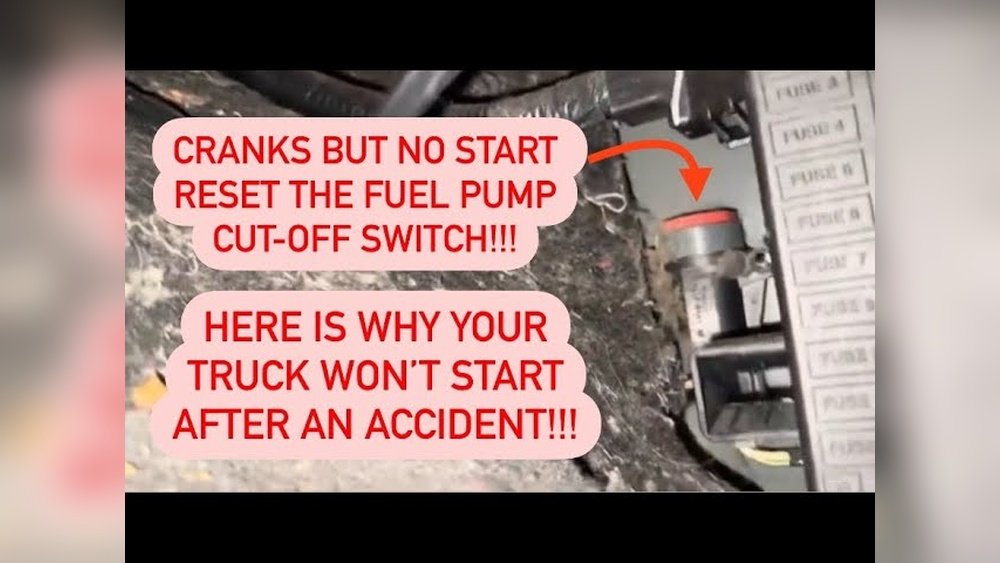
Is your car’s engine cranking but refusing to start? The culprit might be a tripped fuel pump shutoff switch or a fuel pump issue that needs resetting.
Knowing how to reset your fuel pump can save you time, money, and stress when you’re stranded or facing a no-start situation. You’ll learn simple, step-by-step methods to reset your fuel pump safely and effectively. Whether it’s locating the inertia switch, checking fuses, or using an OBD-II scanner, you’ll find clear instructions tailored to get your vehicle running again quickly.
Keep reading, and take control of your car’s fuel system with confidence!
Safety Checks
Performing safety checks before resetting the fuel pump is crucial. These steps protect you and your vehicle from harm. Ignoring safety can lead to fire hazards or electrical shocks.
Follow each step carefully. Confirm the engine is off, no fuel leaks exist, and the inertia switch is in the right position. These checks set the stage for a safe reset process.
Turn Off Ignition
Always switch off the ignition before starting. This stops electrical current from flowing to the fuel pump. It reduces the risk of sparks or short circuits during the reset.
Inspect For Fuel Leaks
Check around the fuel tank and lines for wet spots or fuel smells. Fuel leaks are dangerous and must be fixed before proceeding. Never reset the pump if you detect leaks.
Locate Inertia Switch
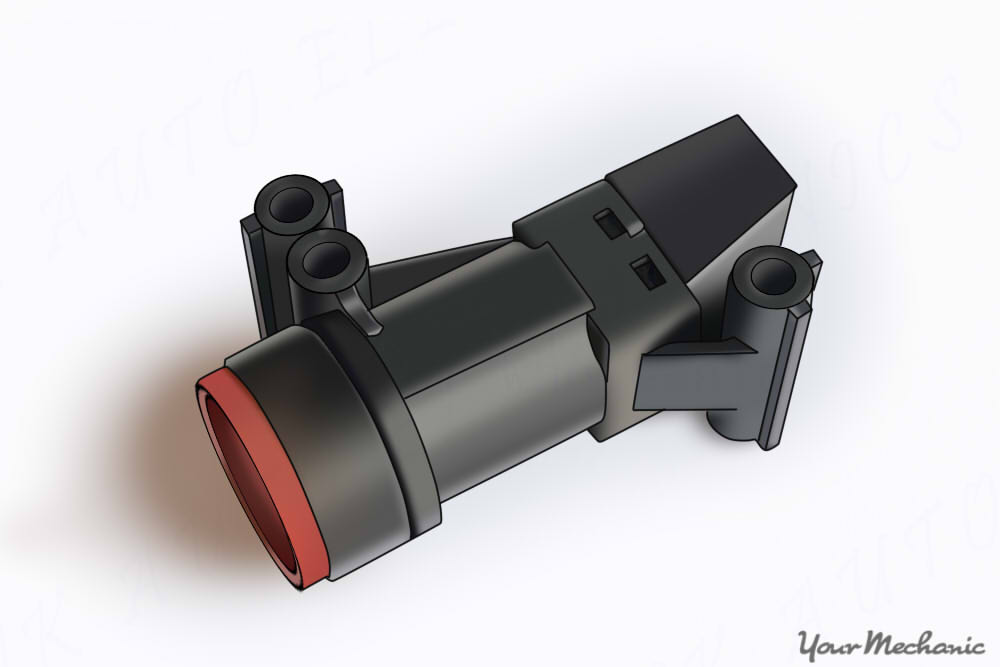
The inertia switch cuts power to the fuel pump in accidents. Find it in the trunk or near the kick panels. Press the reset button only after the ignition is off and you confirm no leaks.
Resetting The Fuel Pump
Resetting the fuel pump helps restore proper fuel flow to the engine. It can fix issues like engine stalling or failure to start. Many cars have a safety feature called an inertia switch that cuts power to the fuel pump during accidents. Resetting this switch can often solve fuel delivery problems.
Some vehicles need a battery reconnect or ignition cycle to reactivate the fuel pump. Follow these simple steps to reset your fuel pump safely and effectively.
Press The Reset Button
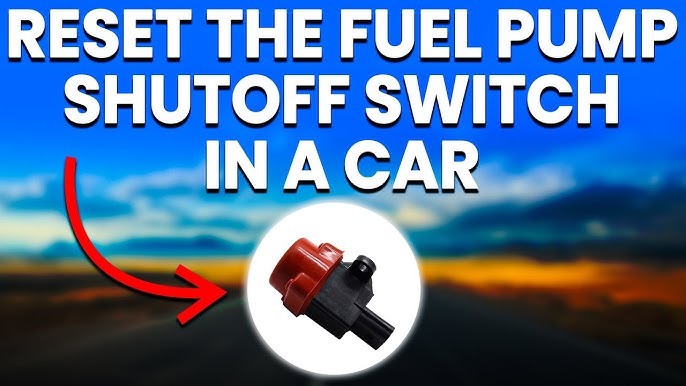
Locate the fuel pump reset button, usually a red button on the inertia switch. It is often found in the trunk or under the dashboard near the kick panels. Press the button firmly until it clicks. This action restores power to the fuel pump after a cut-off.
Reconnect The Battery
For electronic fuel pump systems, disconnect the battery for a few minutes. Then reconnect it to reset the fuel pump relay. This process can clear minor electrical issues and restore pump function. Always disconnect the negative terminal first for safety.
Ignition Initialization
Turn the ignition key to the “ON” position without starting the engine. Wait about five seconds to let the fuel pump prime the system. Turn the key off, then start the car. This cycle helps the fuel pump build pressure for smooth engine start.
Using Diagnostic Tools
Using diagnostic tools helps find and fix fuel pump issues fast. These tools read error codes and check electrical parts. They save time and avoid guesswork. Learning to use them can solve common fuel pump problems.
Start with an OBD-II scanner to clear fault codes. Then check the fuel pump relay and fuse to ensure power flows correctly. These simple steps often reset the fuel pump and restore function.
Clear Fault Codes With Obd-ii Scanner
An OBD-II scanner connects to your car’s port under the dashboard. It reads engine and fuel system fault codes. These codes point out specific problems with the fuel pump or related parts.
After reading codes, clear them using the scanner. This resets the car’s computer and may restart the fuel pump. If the fault returns, further repair may be needed. Clearing codes often fixes minor issues quickly.
Check Fuel Pump Relay And Fuse
The fuel pump relay controls electrical power to the pump. Find the relay in the fuse box and listen for a clicking sound when turning the key. No click may mean a bad relay.
Inspect the fuse for the fuel pump. A blown fuse stops power flow and prevents the pump from working. Replace any faulty fuses or relays. This simple check often resets the fuel pump.
Credit: www.youtube.com
Quick Fixes For Stuck Pumps
Quick fixes for stuck fuel pumps can save time and get your vehicle running again. Sometimes, the pump motor gets stuck or unresponsive. Simple actions can help restart the pump without complex tools. These quick methods often work until you can seek professional repair.
Tap The Fuel Tank
Gently tapping the fuel tank can help free a stuck fuel pump. Use a rubber mallet or the handle of a wrench. Lightly tap the bottom or sides of the tank. The vibration can restart the pump motor and restore fuel flow. Avoid heavy hits to prevent damage.
This method works best if the pump is stuck due to debris or minor mechanical faults. After tapping, try starting the engine. If the pump kicks in, the problem may be temporary. Repeat carefully if needed.
Temporary Solutions
Temporary solutions help keep your car running until a proper fix. Resetting the fuel pump shutoff switch is common. This switch cuts power to the pump after a collision or fault. Locate the switch, usually in the trunk or under the dash, and press the reset button.
Another temporary fix is checking and replacing blown fuses related to the fuel pump. Also, ensure the fuel pump relay is working. Sometimes, disconnecting and reconnecting the car battery resets the pump system. Use these fixes only as short-term solutions.
Signs To Seek Professional Help
Knowing when to seek expert help is vital when dealing with fuel pump issues. Some signs indicate problems beyond a simple reset. Ignoring these signs may cause further damage or unsafe conditions. Understanding these symptoms helps keep your vehicle reliable and safe.
Persistent Starting Issues
Repeated trouble starting your car is a red flag. If your engine cranks but won’t start after resetting the fuel pump, it suggests a deeper problem. The fuel pump may be failing or clogged. This issue needs professional diagnosis to avoid getting stranded. A mechanic can test fuel pressure and inspect the pump thoroughly.
Electrical Or Wiring Problems
Fuel pump issues often stem from electrical faults. Flickering dashboard lights, blown fuses, or a burning smell near the fuel pump wiring require expert attention. Faulty wiring can cause intermittent pump operation or complete failure. Professionals use specialized tools to check wiring continuity and repair damage safely. DIY fixes risk causing sparks or further electrical damage.
Credit: www.yourmechanic.com

Credit: www.ievilenergy.com
Frequently Asked Questions
How Do I Reset My Fuel Pump?
Turn off ignition and check for fuel leaks. Locate the inertia switch (red button) in trunk or kick panel. Press it to reset. Reconnect battery if disconnected. Turn ignition on and wait. Use OBD-II scanner to clear codes if needed.
Why Would I Need To Reset My Fuel Pump?
Resetting your fuel pump restores fuel flow after electrical faults or safety triggers. It prevents engine starting issues and protects your vehicle.
How To Get A Fuel Pump To Kick On?
Turn the ignition off and check for fuel leaks. Locate and press the inertia switch reset button. Reconnect the battery, then turn the ignition on to activate the fuel pump. Gently tap the fuel tank bottom if needed to jolt the pump motor.
Where Is The Fuel Pump Reset Button On A Ford?
The fuel pump reset button on a Ford is the red inertia switch. Find it in the trunk or passenger kick panel. Turn off ignition, press the button, then turn ignition on. Always check for fuel leaks before resetting.
How Do I Reset A Fuel Pump Safely?
Turn off ignition and check for fuel leaks first. Then press the red inertia switch button.
Conclusion
Resetting your fuel pump can solve many starting problems quickly. Always ensure safety by turning off the ignition and checking for leaks first. Find the inertia switch or fuel pump reset button and press it carefully. Some vehicles may need battery disconnection or an OBD-II scanner to clear codes.
Following these simple steps helps restore fuel flow and gets your engine running again. Stay calm and take your time with each step. This approach keeps your car safe and working properly.