
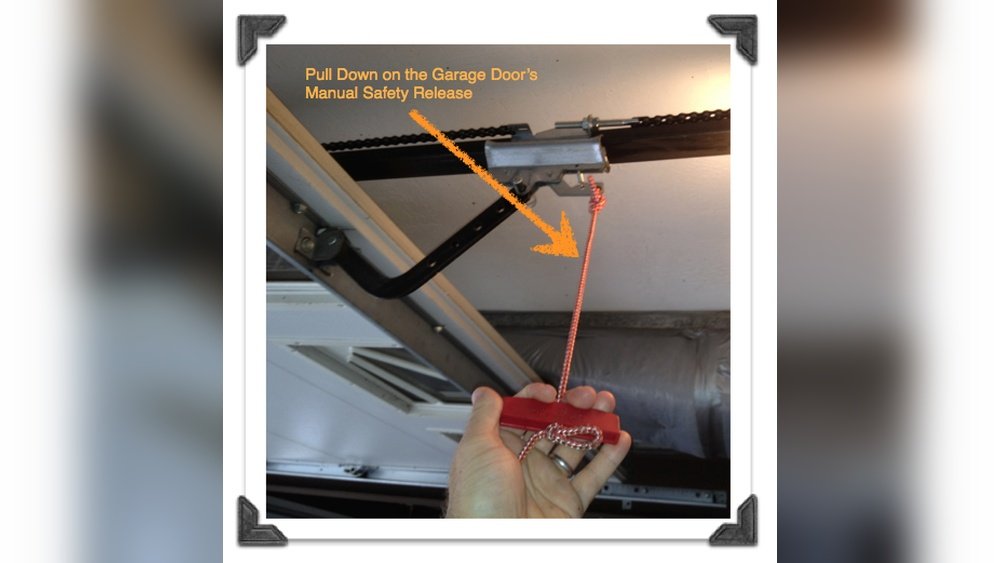
Have you just pulled the emergency release on your garage door and now it won’t work like before? Don’t worry—you’re not alone, and fixing it is easier than you might think.
When you pull that red cord, it disconnects your garage door from the automatic opener, so you can open or close it by hand during power outages or emergencies. But once you’re ready to go back to normal, you need to reset the system properly.
In this guide, you’ll learn simple, step-by-step instructions to reset your garage door after pulling the emergency release. Keep reading, and you’ll have your door working smoothly again in no time.
Emergency Release Function
The emergency release function is a crucial safety feature on garage doors. It allows you to manually operate the door if the automatic opener fails. This function disconnects the door from the opener, giving you full manual control. Understanding how it works and when to use it helps you handle garage door issues safely and efficiently.
How It Works
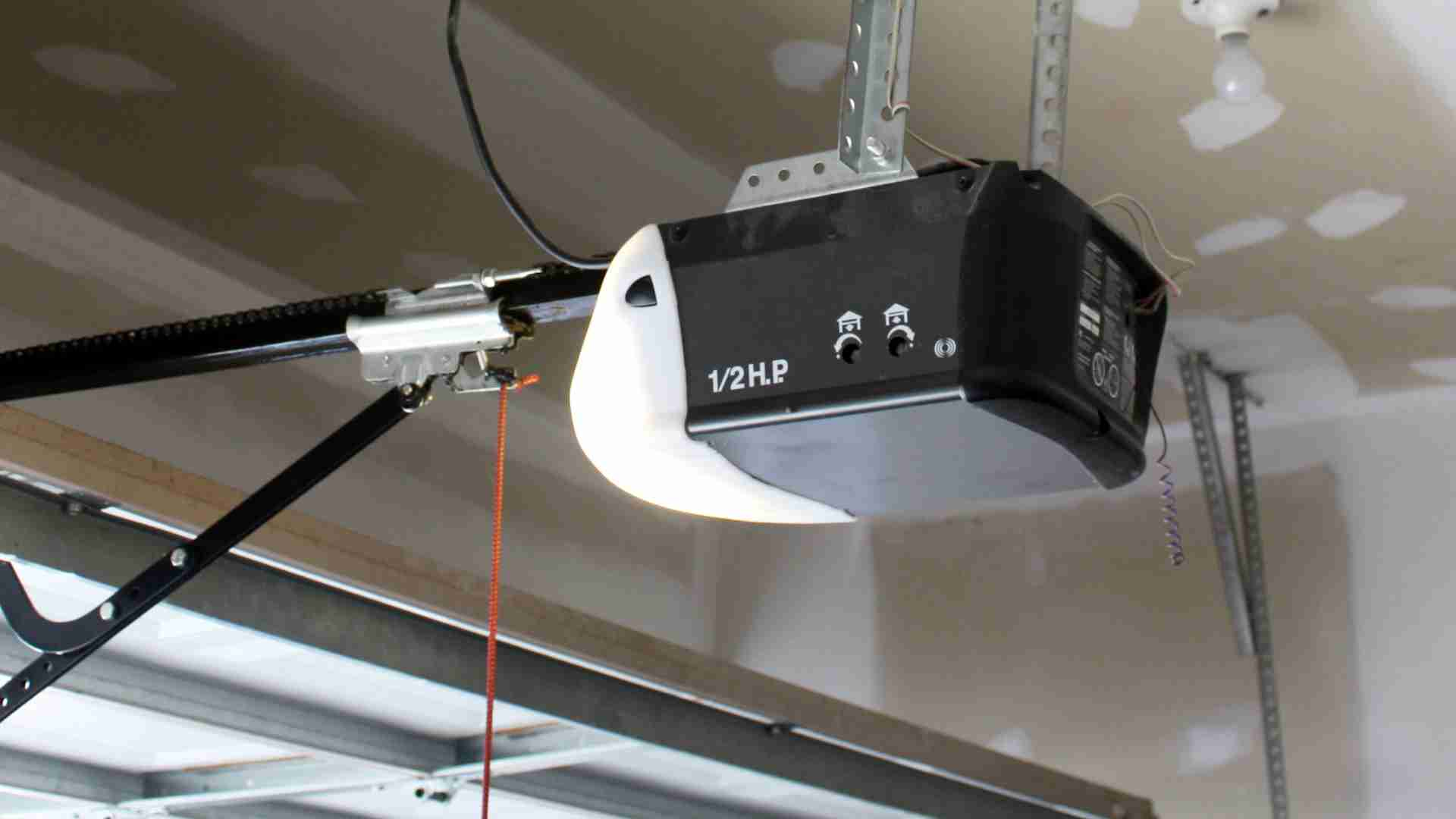
The emergency release typically uses a red cord hanging from the opener rail. Pulling this cord disconnects the garage door from the automatic opener. This action allows the door to move freely by hand. It is especially useful during power outages or mechanical failures. Once pulled, the door no longer responds to the opener’s remote or wall switch.
When To Use
Use the emergency release only when the automatic opener is not working. It helps you open or close the garage door manually. This function is also helpful in emergencies, such as power cuts or system malfunctions. Avoid using it if the door is already working fine. Always ensure the door is balanced and safe to move manually before using this feature.
Signs You Need To Reset
After pulling the emergency release on your garage door, certain signs show that the door needs a reset. Recognizing these signs helps avoid damage and ensures smooth operation. Watch closely for these indicators to know when to act.
Door Not Responding
The most obvious sign is the door not responding to remote or wall controls. Pressing the buttons has no effect. The door stays still, ignoring commands. This happens because the emergency release disconnects the opener from the door. The motor runs but the door does not move. Resetting restores the connection and control.
Manual Mode Active
When the door stays in manual mode, it means the emergency release is still active. You can open or close the door by hand only. The opener motor cannot control the door. The red emergency cord hangs down or is pulled out. Resetting pushes the door back into automatic mode. This lets the opener work properly again.
Step-by-step Reset Process
Resetting your garage door after pulling the emergency release is simple. Follow these clear steps to get it working again. This process ensures your door reconnects safely and functions properly.
Reengaging The Opener
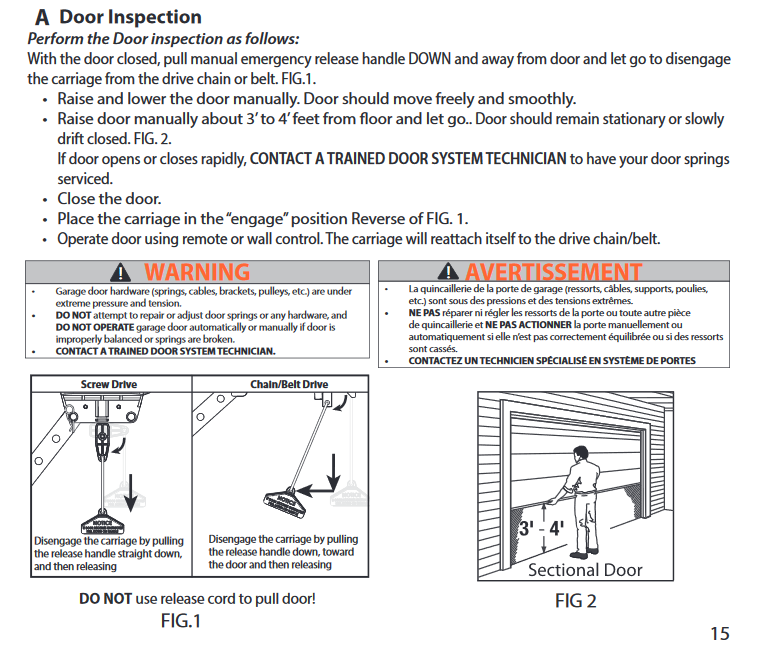
Locate the emergency release cord. It usually has a red handle. Pull the cord toward the door to reengage the opener. You should hear a click or see the door lock back to the opener. Do not force the door; it must move freely before reengaging.
Testing The Door
Press the garage door opener button. Watch the door as it moves up and down. Ensure it operates smoothly without jerking or stopping. If the door does not respond, check the emergency release cord position. Repeat the reengaging step if needed.
Programming The Opener
Some openers need reprogramming after emergency release use. Find the “learn” button on your opener unit. Press and hold it until the indicator light turns on. Press your remote control button to sync it. The light will flash or turn off, confirming programming success.

Manual Operation Tips
After pulling the emergency release on your garage door, manual operation is often necessary. Knowing how to handle the door safely helps avoid injury and damage. This section covers key tips for operating your garage door by hand.
Lifting Safely
Grip the door firmly with both hands. Lift slowly and evenly to prevent sudden drops. Keep your back straight and use your legs to lift. Avoid jerky movements that can cause strain. If the door feels too heavy, ask for help. Never force the door open or closed.
Avoiding Door Damage
Check the door tracks before moving it. Remove any debris or obstacles in the path. Avoid pressing or pulling on the panels to prevent dents. Use the emergency release handle only for disengaging the opener. Reconnect the opener before using automatic functions again. This prevents damage to the door and opener system.
Common Issues And Fixes
After pulling the emergency release on a garage door, some common issues may occur. These problems can stop the door from working correctly. Knowing how to fix these issues saves time and stress. Here are common problems and easy fixes to help you reset your garage door smoothly.
Opener Not Reconnecting
Sometimes, the garage door opener does not reconnect automatically. The emergency release disconnects the door from the opener. This means the opener cannot control the door until you reconnect it.
To fix this, pull the emergency release cord towards the door until you hear a click. This click means the door is locked back into the opener. Next, try using the remote or wall button to open the door. If it still does not work, unplug the opener for 30 seconds, then plug it back in. This reset often helps the opener reconnect.
Door Stuck After Reset
The garage door may get stuck after you reset it. This can happen if the door or tracks are dirty or blocked. Check the tracks for dirt, debris, or objects that block the door’s movement. Clean the tracks with a dry cloth and remove any obstacles.
Also, check the door springs and rollers. If they are damaged or worn out, the door might not move smoothly. Lubricate the rollers and hinges with a silicone-based spray. Avoid using heavy oils that can attract dust. If the door still sticks, call a professional to inspect the springs or cables.
Safety Precautions
Resetting your garage door after pulling the emergency release needs careful attention. Safety is the top priority to prevent injuries and damage. Taking the right precautions makes the process smooth and secure. Follow these safety tips before handling the door.
Handling The Door Weight
Garage doors can be heavy and hard to control. Support the door firmly with both hands. Avoid lifting the door alone; ask for help if needed. Use slow, steady movements to prevent sudden drops. Keep your fingers clear of hinges and tracks. Ensure the door is balanced before reconnecting the opener.
Avoiding Accidents
Clear the area around the door before starting. Remove any toys, tools, or obstacles. Keep children and pets away during the reset. Wear gloves to protect your hands from sharp edges. Never stand directly under the door while handling it. Check the door’s springs and cables for damage before use.
Preventive Maintenance
Preventive maintenance keeps your garage door working smoothly. It helps avoid unexpected problems and extends the door’s life. Regular care ensures safety and reliable operation. You can reset the door easily after pulling the emergency release by maintaining its parts well. Follow simple steps to keep your garage door in top shape.
Regular Inspections
Check the garage door parts every month. Look for signs of wear or damage on springs, cables, and rollers. Tighten loose bolts and screws to prevent accidents. Test the emergency release cord to make sure it moves freely. Early detection of issues saves money and prevents breakdowns.
Lubrication Tips
Apply lubricant to moving parts like hinges, rollers, and tracks. Use a silicone-based or lithium grease for best results. Avoid using oil as it attracts dirt and dust. Lubricate at least twice a year to reduce friction and noise. Smooth movement helps the door reset correctly after emergency release use.
Frequently Asked Questions
How Do I Get My Garage Door To Reconnect After Pulling The Release Cord?
To reconnect your garage door after pulling the release cord, pull the red cord toward the door until it clicks back into the engaged position. Then, operate the opener normally to ensure it reattaches to the trolley and functions properly.
How Do I Manually Reset My Garage Door Opener?
To manually reset your garage door opener, pull the emergency release cord down and toward the door. Then, lift or lower the door manually. Reengage the opener by pulling the cord back into the locked position until it clicks. Test the opener by pressing the remote or wall button.
What Happens If You Pull The Emergency Release On The Garage Door?
Pulling the emergency release disconnects the garage door from the opener. This allows manual opening or closing during power outages or malfunctions.
How To Reset A Door Emergency Release?
To reset a door emergency release, pull the release cord toward the door. Then, lift the door manually to re-engage the opener. Finally, test the door opener by pressing the remote or wall button to ensure full operation.
What Does Pulling The Emergency Release Do To The Garage Door?
It disconnects the garage door from the automatic opener, allowing manual operation.
Conclusion
Resetting your garage door after using the emergency release is simple. Start by pulling the emergency cord toward the door to re-engage the opener. Next, test the door by pressing the remote or wall button. Make sure the door moves smoothly without any resistance.
Regular checks keep your garage door working safely. If problems continue, consider professional help. Taking these steps ensures your garage door returns to normal quickly and safely.