
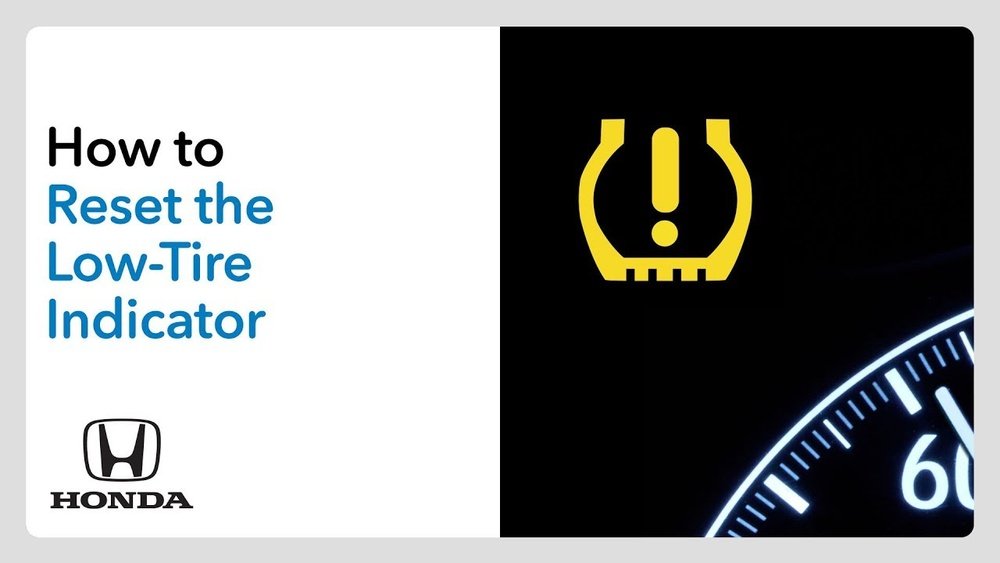
Your tire pressure light just came on, but you’re sure your tires are properly inflated. What now?
That blinking or steady low-pressure warning can be confusing and even frustrating. You might wonder if there’s a hidden problem or if the light just needs to be reset. The good news is, you don’t have to be a car expert to fix this.
In this guide, you’ll learn simple, step-by-step ways to reset your low pressure tire light quickly and safely. Keep reading, and you’ll get back on the road with confidence—no more guessing or unnecessary trips to the mechanic.
Credit: www.youtube.com
Check Tire Pressure
Checking your tire pressure is the first step to reset the low pressure tire light. Proper tire pressure keeps your car safe and improves fuel efficiency. Tires that are too soft or too hard cause poor handling and wear out faster.
Use the correct tools and follow simple steps to ensure each tire has the right pressure. This process includes the spare tire, which many drivers often forget.
Use A Tire Pressure Gauge
A tire pressure gauge measures the air pressure inside your tires. Find a reliable gauge at any auto store or online. Remove the valve cap from the tire and press the gauge firmly onto the valve stem. Read the pressure on the gauge display. Check all tires one by one for accurate results.
Inflate Tires To Recommended Psi
Each vehicle has a recommended PSI (pounds per square inch) for its tires. You can find this number on a sticker inside the driver’s door or in the owner’s manual. Use an air compressor at a gas station or a home pump to add air. Inflate each tire to the exact PSI. Avoid overinflating or underinflating the tires.
Include Spare Tire
Do not forget the spare tire when checking pressure. Spare tires often lose air over time. Measure the spare tire’s pressure and inflate it to the recommended level. Keeping the spare ready can save you during emergencies on the road.
Locate Tpms Reset Button
Resetting the low pressure tire light often starts with finding the TPMS reset button. This button allows the vehicle to relearn the correct tire pressure after adjustments. Locating it is essential for a quick and easy reset process.
The reset button’s location varies depending on the car model. Knowing where to look saves time and effort. It is usually within reach of the driver, near the dashboard or steering column.
Common Button Locations
The TPMS reset button commonly sits under the steering wheel. Sometimes, it hides beneath the dashboard near the driver’s side. Another popular spot is inside the glove box.
Some vehicles place the button near the center console or under the hood. Checking the owner’s manual helps find the exact location. In rare cases, the reset may happen through the infotainment screen.
How To Use The Reset Button
Turn the ignition to the “On” position, but do not start the engine. Press and hold the TPMS reset button for several seconds. Watch for the tire pressure light to blink three times.
Release the button after the blinking stops. Start the engine and drive for a few minutes. The system will recalibrate and turn off the warning light if pressures are correct.
Drive To Recalibrate
After adjusting your tire pressure, driving helps the car’s system recognize the new settings. This process is called “drive to recalibrate.” It allows the tire pressure monitoring system (TPMS) to reset automatically. During this drive, sensors check all tires to confirm proper inflation. The low pressure light should turn off once the system updates.
Ideal Driving Conditions
Drive on a smooth, flat road for the best results. Avoid heavy traffic or stop-and-go driving. Keep a steady speed between 30 and 60 miles per hour. This steady pace helps sensors gather accurate data. Do not make sharp turns or sudden stops during recalibration.
How Long To Drive
Drive continuously for about 10 to 15 minutes. This time allows the TPMS to register the correct pressure. Short trips or frequent stops may delay the reset. After driving, check if the low pressure light has turned off. If not, try repeating the process or use the manual reset button.
Credit: www.shadetreegarage.com
Perform Hard Reset
Performing a hard reset can help clear the low pressure tire light. This method cuts power to the vehicle’s systems. It forces the car to reinitialize sensors and clear error codes. Use this reset only after checking tire pressures. Follow these simple steps for a hard reset.
Disconnect Battery Cable
Turn off the vehicle completely. Open the hood and locate the battery. Use a wrench to loosen the negative battery cable. Carefully disconnect the cable from the battery terminal. Keep it disconnected for about 10 to 15 minutes. This pause allows the car’s system to reset fully.
Reconnect And Restart Vehicle
Reconnect the negative cable securely to the battery terminal. Tighten the clamp with a wrench to ensure good contact. Close the hood and get inside the car. Start the engine and check if the low pressure light is off. If the light remains on, you may need further inspection or professional help.
Troubleshoot Persistent Light
The low tire pressure light should turn off after inflating your tires. Sometimes, the light stays on despite correct pressure. This signals an issue with the tire pressure monitoring system (TPMS). Troubleshooting helps find the cause and fix the problem. Follow these steps to handle a persistent low pressure tire light.
Check For Slow Leaks
Slow leaks cause the tire pressure to drop over time. A tiny nail or sharp object may puncture the tire. Inspect each tire carefully for nails, screws, or cuts. Listen for a hissing sound near the tire. Spray soapy water on the tire surface to spot bubbles. Replace or repair the tire if you find a leak.
Inspect Tpms Sensors
TPMS sensors monitor tire pressure and send data to your car. Sensors can fail or lose battery power. Check if any sensor is damaged or dirty. Dirt or debris may block the sensor signal. Visit a mechanic to test and replace faulty sensors. Proper sensor function is key to accurate pressure readings.
Consult Vehicle Manual
Your vehicle manual has specific instructions for TPMS reset. Some cars need a special procedure or tools. Follow the manual’s steps carefully to reset the system. The manual also lists the recommended tire pressure for your model. Adhering to these guidelines ensures your tire light works properly.
When To Visit A Professional
Sometimes, resetting the low pressure tire light requires expert help. A professional can accurately diagnose the problem. They have the right tools and experience to fix complex issues. Visiting a mechanic saves time and prevents further damage. It ensures your vehicle stays safe on the road.
Diagnostic Services
Professionals use special diagnostic tools to check your tire pressure system. These tools detect sensor faults and leaks. They pinpoint the exact cause of the warning light. This step helps avoid unnecessary repairs. Early detection can prevent bigger problems later.
Sensor Replacement
Tire pressure sensors may fail over time. A mechanic can replace faulty sensors quickly. Proper sensor replacement restores the system’s accuracy. This stops the warning light from coming on without reason. Professionals ensure sensors fit and work correctly.

Credit: www.valleyhonda.com
Frequently Asked Questions
How Do You Clear The Low Tire Pressure Light?
Check and inflate all tires to the recommended PSI. Turn the key to “On,” press the TPMS reset button until it blinks, then drive. If needed, disconnect the battery for a hard reset. Visit a professional if the light stays on.
Why Won’t My Tire Pressure Light Go Off Even Though Pressure Is Fine?
Your tire pressure light may stay on due to a faulty sensor, system needing reset, or a slow tire leak. Try resetting the TPMS or visit a mechanic for diagnosis.
Why Is My Tire Light Still On After I Pumped Air Into It?
Your tire light stays on if the sensor hasn’t reset. Drive for a few minutes or use the TPMS reset button. Check for slow leaks or consult your manual for specific reset steps.
Can Autozone Reset Tpms Sensor?
AutoZone can reset TPMS sensors using their diagnostic tools. They also check tire pressure and sensor function. Visit your local store for service.
What Causes The Low Tire Pressure Light To Turn On?
The light turns on when tire pressure drops below the recommended level.
Conclusion
Resetting the low pressure tire light keeps you safe on the road. Always check tire pressure with a reliable gauge first. Inflate tires to the recommended PSI found in your car’s manual. Use the TPMS reset button or disconnect the battery to clear the light.
Drive for a few minutes to let the system recalibrate. If the light stays on, inspect tires for leaks or damage. Consult your vehicle’s manual or a tire professional for help. Regularly maintaining tire pressure improves fuel efficiency and tire life.
Stay alert and drive safely.