
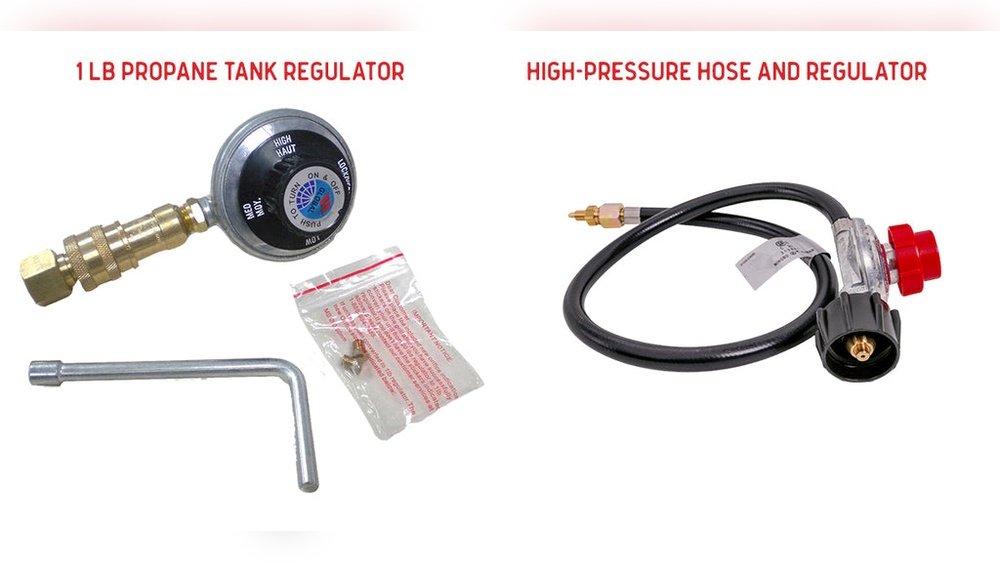
If your propane grill or heater suddenly stops working, the culprit might be your propane regulator. When this small but vital device locks up, it cuts off the gas flow to keep you safe—but that means your equipment won’t fire up until you reset it.
You might be wondering, “How do I reset my propane regulator quickly and safely? ” You’re in the right place. This guide will walk you through simple steps to get your propane flowing again without hassle. By the end, you’ll feel confident handling your regulator like a pro and enjoying your grill or appliance without interruptions.
Keep reading—your next cookout or cozy night depends on it!
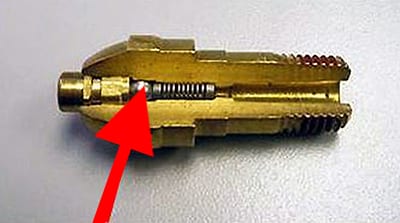
Signs Of A Locked Propane Regulator
Recognizing the signs of a locked propane regulator is crucial for safe and efficient propane use. A locked regulator stops gas flow to prevent hazards. This interruption can affect appliances and cause inconvenience. Spotting these signs early helps to address the problem quickly.
Common Causes Of Lockup
One frequent cause is opening the propane tank valve too fast. This triggers the regulator’s safety feature, stopping gas flow. Dirt, insects, or debris can block the regulator. Cold weather may freeze parts of the regulator, causing it to lock. Understanding these causes helps in preventing lockup.
Safety Lockout Mechanism
The regulator has a built-in safety lockout to prevent gas leaks. It activates during sudden high gas flow or damage. This stops propane from flowing until the issue is fixed. The lockout ensures safety but requires resetting to resume gas supply.
Blockages And Freezing Issues
Blockages from dirt or insects can stop gas flow. Check the regulator and hose for any visible debris. Freezing can occur in cold weather, causing ice buildup. This ice can block the regulator’s internal parts. Clearing blockages and warming the regulator may resolve the lockup.
Leaks And Regulator Faults
Leaks near the regulator cause pressure drops and unsafe conditions. Faulty or worn regulators may fail to function properly. Inspect the regulator for cracks or damage. Use soapy water to detect leaks by watching for bubbles. Replace the regulator if faults persist after resetting.

Preparing For A Regulator Reset
Preparing for a propane regulator reset is a crucial step to ensure safety and proper function. Before starting, take time to clear the area around your propane tank and grill. This helps avoid accidents and keeps the process smooth.
Handling propane requires care. Make sure you understand each step before beginning. The first important actions involve shutting off the gas flow completely. This prevents leaks and allows the regulator to reset safely.
Turning Off Burners And Valve
Start by turning off all burners on your grill or appliance. This stops the flow of gas through the system. Next, close the main propane tank valve. Turn it clockwise until it is fully closed. This step cuts off the gas supply from the tank to the regulator.
Check that no flames or sparks are near the tank during this process. Safety is the top priority.
Disconnecting The Regulator
After the gas is off, disconnect the regulator from the propane tank. Use your hand to loosen the coupling nut by turning it counterclockwise. Avoid using tools that can damage the fittings. Once loose, gently pull the regulator away from the tank valve.
Set the regulator aside in a clean, dry spot. This pause allows the regulator to reset internally. Wait a few minutes before reconnecting to ensure the safety mechanism resets properly.
Step-by-step Reset Process
Resetting a propane regulator can restore gas flow safely and effectively. Follow this step-by-step reset process to ensure your propane system works properly. Each step is simple and requires attention to detail. Take your time and proceed carefully for the best results.
Reattaching The Regulator
First, make sure the propane tank valve is fully closed. Remove the regulator from the tank if still attached. Align the regulator’s coupling nut with the tank’s valve connection. Turn the coupling nut clockwise by hand until it is tight. Do not use tools to overtighten. A snug fit prevents leaks and ensures safe operation.
Opening The Tank Valve Slowly
After securing the regulator, open the tank valve very slowly. Turn the valve handle counterclockwise just a little at a time. Opening the valve too fast triggers the regulator’s safety lock. Wait a few seconds after each small turn to allow gas pressure to stabilize. Open the valve fully only after confirming no leaks and proper flow.
Testing The Gas Flow
Once the valve is open, check if gas flows to your appliance. Turn on the appliance’s gas control knob as usual. Listen for the sound of gas flowing or smell for propane. If the appliance ignites smoothly, the reset was successful. If not, close the valve and repeat the process or inspect for blockages or leaks.
Troubleshooting Reset Failures
Resetting a propane regulator can sometimes fail despite following proper steps. Troubleshooting these reset failures is crucial to restore safe gas flow. Several factors may block the regulator from resetting properly. This section covers key checks to identify and fix common problems quickly.
Checking The Tank Valve Pin
The tank valve pin must be fully pressed when connecting the regulator. A stuck or bent pin blocks gas flow and stops the reset. Inspect the pin carefully for damage or dirt. Clean it gently with a cloth if needed. Make sure the regulator connects firmly to the tank valve. A loose connection can prevent proper pin engagement and reset.
Inspecting For Leaks
Leaks in the propane system can trigger safety shutoffs that prevent reset. Use a soapy water solution on all connections and hoses. Watch for bubbles forming, which indicate leaks. Tighten fittings or replace damaged parts immediately. Leaks reduce pressure and stop the regulator from functioning correctly. Never use an open flame to check for leaks.
Handling Freezing Conditions
Cold weather can freeze moisture inside the regulator. Ice blocks gas flow and causes reset failure. Warm the regulator gently using a cloth or warm air. Avoid direct heat sources that might damage the unit. Allow the ice to melt completely before trying to reset again. Using a regulator with freeze protection helps in cold climates.
When To Replace The Regulator
Persistent reset failures may mean the regulator is faulty. Cracks, corrosion, or internal damage reduce performance. If cleaning and warming do not help, replacement is necessary. Using a damaged regulator risks leaks and unsafe gas flow. Choose a new regulator rated for your propane system and install it properly. Regular inspection extends the lifespan of your regulator.
Tips For Maintaining Propane Regulators
Maintaining your propane regulator is key to safe and efficient operation. Proper care prevents blockages and damage. These simple tips help extend your regulator’s life. Follow them to keep your propane system running smoothly.
Regular Cleaning To Prevent Blockages
Clean the regulator regularly to avoid dirt buildup. Use a soft brush to remove dust and debris. Check the vent holes for insects or spider webs. Blockages can cause gas flow issues or safety lockouts. Never use harsh chemicals; mild soap and water work best.
Safe Valve Operation Practices
Open the propane tank valve slowly to avoid triggering safety lockouts. Sudden gas flow can cause the regulator to shut off. Always turn valves gently and fully close them after use. Regularly inspect valves for leaks using soapy water. Replace damaged valves promptly to ensure safety.
Storing Equipment In Cold Weather
Cold weather can freeze the regulator, blocking gas flow. Store propane tanks and regulators in a dry, sheltered place during winter. Avoid exposing equipment to snow and ice buildup. If freezing occurs, warm the regulator gently with a cloth. Never use open flames or heat guns to thaw.

Frequently Asked Questions
How Long Does It Take For A Propane Regulator To Reset?
A propane regulator usually resets within 5 to 10 minutes after turning off the gas and reconnecting. Open the tank valve slowly to avoid safety lockup.
Why Is My Propane Regulator Not Letting Gas Through?
Your propane regulator may block gas due to safety lockup from rapid valve opening, dirt or insect blockages, freezing, leaks, or regulator failure. Reset by turning off all valves, disconnecting, waiting, reconnecting, and slowly reopening the tank valve. Check for clogs or leaks and replace if needed.
How To Burp A Propane Regulator?
Turn off all burners and propane tank valve. Disconnect the regulator. Reattach it securely. Open the tank valve slowly to reset. Test for gas flow.
How To Know If A Propane Regulator Is Bad?
A bad propane regulator shows symptoms like low or no gas flow, hissing sounds, or a strong gas smell. Test for leaks using soapy water. If burners won’t light or the regulator overheats, it likely needs replacement.
What Is A Propane Regulator Reset And Why Is It Needed?
A reset clears the safety lock on the regulator, allowing gas flow after sudden shutoff.
Conclusion
Resetting your propane regulator can restore safe gas flow quickly. Always turn off all burners and the tank valve first. Wait a few minutes before reconnecting to avoid safety lockout. Check for dirt or insects that may block the regulator.
Open the tank valve slowly to prevent triggering the safety device. Regular maintenance helps keep your propane system working well. Follow these steps carefully to ensure safety and efficiency. Simple actions often solve common propane regulator issues. Stay safe and enjoy your propane appliances without worry.