
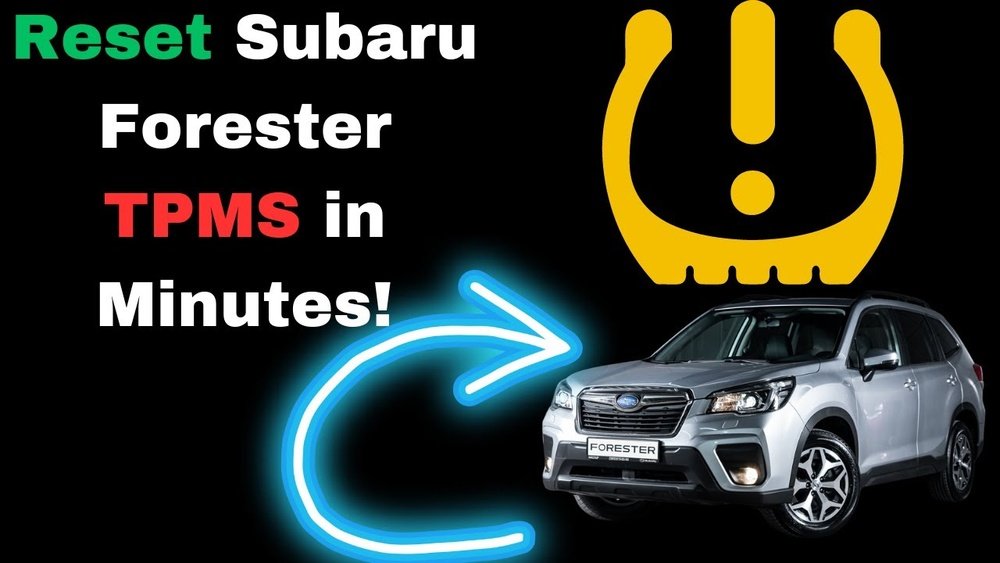
If your Subaru’s tire pressure monitoring system (TPMS) light has come on, it can be confusing and a little frustrating. You might wonder what’s wrong or how to get that warning light off your dashboard.
The good news is, resetting your Subaru TPMS is usually a simple process you can handle yourself. Whether you’ve just inflated your tires or replaced one, knowing how to reset the TPMS will save you time and give you peace of mind on the road.
Keep reading, and you’ll learn clear, step-by-step instructions to get your Subaru’s TPMS working properly again—so you can drive safely and confidently.
Check Tire Pressure
Checking tire pressure is the first step in resetting your Subaru TPMS. Correct pressure ensures your vehicle drives safely and efficiently. Low tire pressure can trigger the warning light and affect handling.
Use a reliable tire pressure gauge to measure each tire’s pressure. Check when tires are cold for the most accurate reading. This simple step helps you avoid unnecessary trips to the mechanic.
Find Correct Psi
Locate the recommended PSI for your tires on the driver’s door jamb. This number varies by model and tire size. Use this exact PSI to avoid over- or under-inflation. Proper PSI keeps your tires healthy and your TPMS accurate.
Inflate All Tires
Use an air compressor to add air to each tire until it reaches the correct PSI. Check each tire individually for accuracy. Inflate slowly and recheck pressure often. Balanced tire pressure helps your Subaru perform better and resets the TPMS light.
Include Spare Tire
Don’t forget to check your spare tire’s pressure. Some Subaru models monitor the spare tire as well. Inflate the spare to the recommended PSI listed in the manual. A properly inflated spare ensures safety and prevents false TPMS alerts.
Automatic Reset Process
The Automatic Reset Process for Subaru’s Tire Pressure Monitoring System (TPMS) makes tire maintenance simple. The system recalibrates itself after you inflate your tires to the correct pressure and drive the car. This feature saves time and avoids the need for manual resets in many cases.
Understanding how this process works can help you know when your TPMS light should turn off. It also helps you recognize if further action is necessary. The key steps involve driving the vehicle and allowing the system to update its status.
Drive To Reset Light
After inflating all tires to the recommended pressure, start driving your Subaru. The TPMS needs movement to detect the updated tire pressure. Usually, driving for 10 to 15 minutes at speeds above 30 mph is enough. The system scans each tire’s sensor and updates the pressure status.
If the tire pressure is correct, the warning light will turn off automatically. This step is crucial because the sensors need real-time data to confirm pressure levels. Keep an eye on the dashboard during your drive to see if the light disappears.
Wait For System Update
Once you finish driving, the TPMS may take a few more minutes to fully reset. The system processes the sensor signals and clears any alerts. Avoid turning off the engine immediately after driving to allow the update to complete.
If the light stays on, check the tire pressures again. A slow leak or incorrect inflation can prevent the reset. In some cases, the TPMS sensor battery may be low, requiring professional service. Patience during this waiting period ensures the system resets accurately without extra steps.
Manual Reset Using Button
The manual reset using a button is a straightforward way to fix the Subaru TPMS light. It helps the system recognize the correct tire pressure after adjustment. This method does not need special tools or dealer visits. Just follow a few simple steps to complete the reset.
Locate Tpms Reset Button
Find the TPMS reset button inside your Subaru. It is usually under the dashboard, near the steering wheel. Sometimes, it is in the glove box or center console. Check your owner’s manual if you cannot find it.
Turn Ignition On
Insert the key and turn the ignition to the “On” position. Do not start the engine. The dashboard lights will come on, showing that the car is ready for reset.
Press And Hold Button
Press and hold the TPMS reset button. Keep it pressed for about 5 seconds. The tire pressure light will start to blink, signaling the reset process has begun.
Confirm Light Blinks
Watch the tire pressure warning light. It should blink three times and then turn off. This means the system has accepted the new tire pressures.
Drive To Complete Reset
Drive your Subaru for at least 10 minutes at speeds over 20 mph. This allows the TPMS to calibrate fully. The warning light should stay off after the drive.
Reset Via Touchscreen
Resetting the Subaru TPMS via the touchscreen is a simple way to fix the tire pressure warning light. This method uses the vehicle’s built-in display to start the calibration. You do not need extra tools or buttons. Follow the steps below for a clear and quick reset.
Access Vehicle Settings
Turn on your Subaru’s ignition without starting the engine. Tap the touchscreen to open the main menu. Find and select the “Settings” option. This section controls many vehicle features, including TPMS.
Select Tpms Calibration
In the settings menu, look for “Vehicle” or “Vehicle Settings.” Tap it to open more options. Scroll down until you see “TPMS Calibration” or “Tire Pressure Monitoring System.” Select this to prepare for resetting the sensor.
Start Calibration Process
Press the button to begin the TPMS calibration. The system will now start registering the current tire pressures. Make sure all tires are properly inflated before this step to avoid errors.
Drive To Finalize
Drive your Subaru for at least 10 minutes at speeds above 25 mph. This helps the system complete the calibration and update the tire pressure readings. The warning light should turn off after this drive.
When Tpms Light Keeps Blinking
The TPMS light blinking on your Subaru signals an issue with the tire pressure monitoring system. This blinking alerts you that the system might not be working correctly. Ignoring this can lead to unsafe driving conditions. Understanding the cause helps you fix the problem quickly and safely.
Identify System Malfunction
A blinking TPMS light usually means the system has a fault. It may fail to read tire pressure accurately. Check the dashboard for any error codes. These codes hint at what part needs attention. Sometimes the system just needs a reset. Other times, a deeper problem exists.
Check Sensor Batteries
Each tire has a sensor powered by a small battery. These batteries wear out over time. Weak or dead batteries cause the TPMS light to blink. Sensors cannot send signals properly without power. Replace old batteries to restore proper function. This often stops the blinking light.
Seek Professional Help
Persistent blinking after basic checks means a complex issue. Professionals have tools to scan and diagnose TPMS problems. They can repair or replace faulty sensors. Expert service ensures the system works reliably. Visiting a Subaru dealer or trusted mechanic is best.

Tips To Avoid Future Alerts
Preventing future TPMS alerts on your Subaru keeps your drives smooth and safe. Taking simple steps helps maintain proper tire pressure and sensor function. These tips reduce unexpected warnings and improve vehicle performance.
Regular Tire Pressure Checks
Check tire pressure at least once a month. Use a reliable gauge for accurate readings. Inflate tires to the recommended PSI found on the driver’s door jamb. Don’t forget to check the spare tire as well. Proper pressure prevents alert triggers and extends tire life.
Seasonal Tire Maintenance
Change tires as seasons shift to match road conditions. Inspect tires for wear, damage, or uneven tread regularly. Rotate tires every 5,000 to 7,000 miles to ensure even wear. Seasonal maintenance helps sensors detect correct pressure more easily. It also improves driving safety and comfort.
Sensor Care And Replacement
Handle TPMS sensors with care during tire changes. Avoid damaging sensor valves or batteries. Replace sensors every 5 to 10 years, depending on your Subaru model. Faulty sensors often cause false alerts. Proper sensor care ensures accurate pressure monitoring and fewer resets.
Frequently Asked Questions
Does The Subaru Tpms Reset Automatically?
The Subaru TPMS usually resets automatically after driving a few miles. If not, manually reset using the TPMS button or vehicle touchscreen.
How Do I Manually Reset My Tpms Light?
Inflate all tires to the recommended PSI. Turn ignition to “On” without starting the engine. Press and hold the TPMS reset button until the light blinks three times. Drive for a few minutes to complete the reset.
How To Reset Tpms On 2012 Subaru Outback?
Inflate all tires to the recommended PSI listed on the driver’s door jamb. Turn ignition to “On” without starting. Press and hold the TPMS reset button under the dash until the light blinks three times. Drive for a few minutes to complete the reset.
What Is The Tpms Error On A Subaru Outback?
The TPMS error on a Subaru Outback signals low tire pressure or a sensor issue. Check tire pressure and reset the system. Inflate tires to the recommended PSI, then press and hold the TPMS reset button until the light blinks, or drive to reset automatically.
How Do I Manually Reset Subaru Tpms Light?
Inflate all tires to correct PSI, turn ignition on, hold TPMS button until light blinks, then drive.
Conclusion
Resetting your Subaru TPMS is simple and important for safety. Keep tires inflated to the correct pressure shown on the door jamb. Use the reset button or touchscreen settings to clear the warning light. Drive the car for a few minutes to complete the reset process.
Regularly checking tire pressure helps avoid warning lights and ensures smooth driving. Following these steps saves time and keeps your Subaru running well. Remember, a properly reset TPMS means safer trips and peace of mind on the road.