
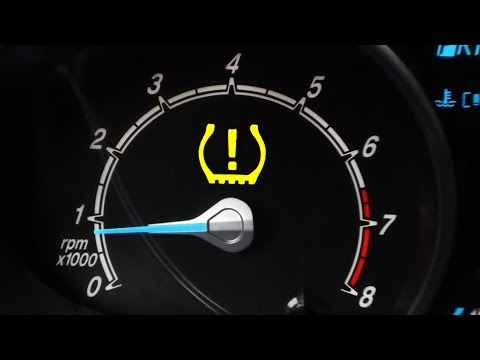
Is your tire pressure monitoring system (TPMS) light on and won’t turn off? You’re not alone.
Many drivers face this frustrating issue, but the good news is that resetting your tire monitoring system is usually easier than you think. Whether you’ve just inflated your tires or replaced a sensor, knowing how to reset your TPMS can save you time, money, and unnecessary worry.
In this guide, you’ll learn simple, step-by-step methods to get your tire monitoring system back on track—so you can drive safely and confidently without that annoying warning light distracting you. Ready to fix your TPMS quickly? Let’s dive in!
Check Tire Pressure
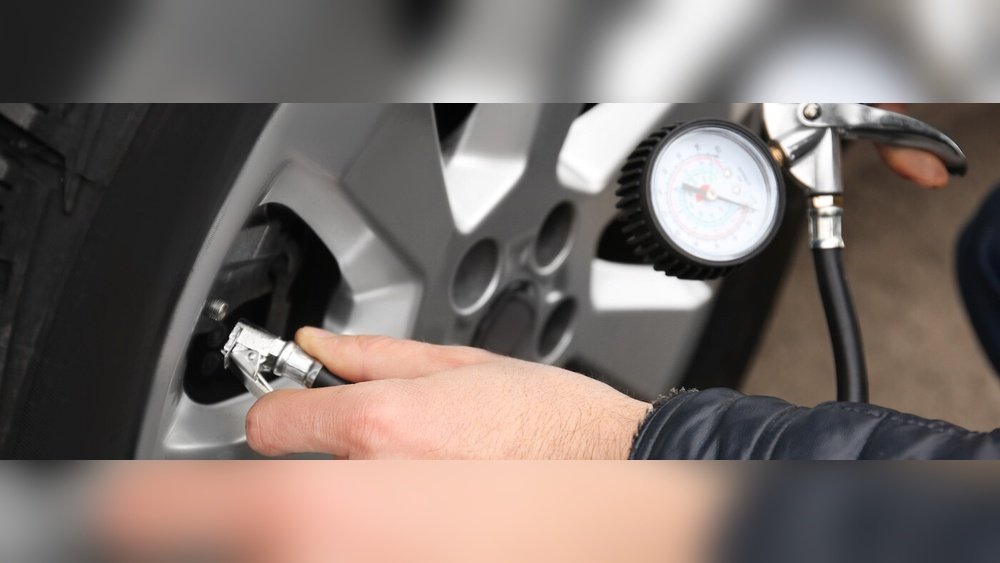
Checking tire pressure is the first step to reset your Tire Pressure Monitoring System (TPMS). Properly inflated tires help your car perform better and keep you safe on the road. Low pressure can trigger the TPMS warning light. Regularly checking the tire pressure prevents false alerts and extends tire life.
Locate Recommended Psi
Find the recommended PSI for your tires on a sticker inside the driver’s door jamb. This number tells you the exact pressure each tire needs. Do not guess or use the number on the tire sidewall. Follow the manufacturer’s guidelines for the best results.
Inflate All Tires
Use an air compressor to inflate each tire to the recommended PSI. Check each tire’s pressure with a reliable gauge before and after inflation. Make sure the tires are cold for the most accurate reading. Proper inflation helps the TPMS reset correctly.
Include Spare Tire
Do not forget the spare tire. Some vehicles monitor the spare tire pressure too. Inflate the spare to the recommended PSI listed for your vehicle. A properly inflated spare ensures safety and prevents TPMS warnings.

Use Tpms Reset Button
The Tire Pressure Monitoring System (TPMS) reset button offers a simple way to clear tire pressure alerts. This button helps the system relearn tire pressures after you inflate or change tires. Using the reset button avoids unnecessary trips to the mechanic. Follow these steps carefully to reset the TPMS using the button.
Find The Reset Button
Locate the TPMS reset button in your car. It is often under the steering wheel or in the glove box. Some models place it near the center console. Check your owner’s manual if you cannot find it. Knowing the exact location is key to a quick reset.
Ignition On, Engine Off
Turn the ignition key to the “On” position. Make sure the engine stays off. This powers the electronics without starting the car. The TPMS reset button works only in this mode. Do not start the engine before pressing the button.
Press And Hold Button
Press and hold the TPMS reset button. Hold it for about 3 to 5 seconds. Wait until the TPMS light blinks three times. Then release the button. This signals the system to start the reset process. Keep calm and watch the indicator light closely.
Drive To Complete Reset
Drive your car for 10 to 15 minutes at speeds above 20 mph. This lets the system record the new tire pressure data. The TPMS light should turn off after the drive. If it stays on, check tire pressures again. Repeat the process if needed.
Reset Via Infotainment
The tire pressure monitoring system (TPMS) helps keep your tires safe by alerting low pressure. Resetting it through your vehicle’s infotainment system is often simple and quick. This method uses the car’s touchscreen or control panel to recalibrate the sensors after adjusting tire pressure.
Access Vehicle Settings
Start by turning on your car’s ignition. Then, open the infotainment system menu. Look for the “Settings” or “Vehicle” option. This section contains various controls for your car’s functions. Navigate carefully to find the tire pressure settings.
Select Tpms Calibration
Within the vehicle settings, find the TPMS or tire pressure menu. Choose the “Calibrate” or “Reset” option. This tells the system to begin recalibration. Your car may ask for confirmation before proceeding. Confirm and continue to the next step.
Follow On-screen Prompts
The system will provide instructions on the screen. These may include checking tire pressure or ensuring the vehicle is parked. Follow each prompt carefully. This helps the system learn the current pressure of each tire. Complete all steps before moving on.
Drive For Calibration
After confirming the reset, start driving the vehicle. The TPMS needs movement to complete calibration. Drive at moderate speeds for about 10 to 15 minutes. The warning light should turn off once the system recalibrates. This confirms the process is successful.
Battery Disconnect Method
The Battery Disconnect Method resets the tire monitoring system by cutting power briefly. This forces the system to restart and clear stored error codes. It is a simple way to reset the TPMS without special tools. Use this method carefully to avoid affecting other vehicle settings.
Turn Off Vehicle
Switch off the ignition completely. Remove the key if possible. Ensure all electrical components are off. This step prevents electrical shorts during battery disconnection.
Disconnect Positive Battery Cable
Locate the battery under the hood. Use a wrench to loosen the nut on the positive cable clamp. Carefully lift the cable off the battery terminal. Wait at least 10 minutes to allow the system to reset.
Reconnect And Start Vehicle
Place the positive cable back onto the battery terminal. Tighten the clamp securely with the wrench. Start the vehicle and check if the TPMS light turns off. Drive for a few minutes to let the sensors recalibrate.
Troubleshoot Persistent Light
A persistent tire monitoring system (TPMS) light often signals a problem with your tire sensors or pressure. Troubleshooting this light helps ensure your vehicle’s safety. It also saves you from unnecessary visits to the mechanic.
Start by understanding the possible causes of the light staying on. Some issues are simple, like a low tire pressure. Others may involve the sensors themselves. Follow clear steps to identify and fix the problem.
Check Spare Tire Sensor
Many drivers forget the spare tire sensor. It can trigger the TPMS light if its pressure is low or if the sensor is faulty. Check the spare tire’s pressure using a gauge. Inflate it to the recommended PSI if needed.
Some vehicles have sensors on the spare tire that communicate with the system. A dead or damaged sensor will keep the light on. Inspect the sensor or consult your manual for spare tire sensor details. Replacing or resetting the sensor may solve the issue.
Identify Flashing Light Meaning
A flashing TPMS light means the system detects a sensor problem or communication error. The light usually flashes for about one minute and then stays on. This pattern warns you of sensor failure or low battery in the sensor.
Check your owner’s manual to understand the specific flashing codes. Each car model may have unique signals. Knowing what the flashing means helps you decide on the next steps.
When To Seek Professional Help
If the TPMS light stays on after checking tire pressures and sensors, professional help is necessary. Mechanics have tools to diagnose sensor issues accurately. They can replace or reprogram faulty sensors.
Persistent TPMS issues may also involve wiring or module problems. Trained technicians will find and fix these hidden faults. Visit a trusted service center to ensure your tire monitoring system works correctly.
Sensor Replacement And Legal Notes
Replacing tire pressure sensors requires care and knowledge. Sensors track tire pressure and alert drivers to problems. Faulty sensors affect safety and may cause warning lights. Understanding sensor replacement and legal rules keeps your vehicle compliant and safe.
Sensor Battery Failure
Sensor batteries do not last forever. Usually, they last 5 to 10 years. When the battery dies, the sensor stops sending signals. The TPMS light may blink or stay on. Battery failure means replacing the entire sensor, not just the battery.
Replacing And Reprogramming Sensors
Replace sensors with ones that fit your car model. After installation, sensors need reprogramming. Reprogramming syncs sensors with the car’s computer system. A special tool or visit to a mechanic is needed. Proper programming ensures accurate tire pressure readings and avoids false warnings.
Legal Requirements For Tpms
The law requires working TPMS on most vehicles. Disabling or removing sensors is illegal in many places. TPMS improves road safety by alerting drivers to low tire pressure. Repair or replace faulty sensors promptly. Complying with these rules avoids fines and keeps your vehicle roadworthy.
Frequently Asked Questions
How Do I Get My Service Tire Monitor System To Go Away?
Check and inflate all tires to the recommended pressure. Locate the TPMS reset button, hold it until the light blinks thrice. Turn ignition on and drive for a few minutes. Consult your manual for specific reset steps or use the infotainment system if available.
How Do I Reset My Tire Monitoring System?
Check and inflate all tires to the recommended pressure. Turn ignition to “ON” without starting the engine. Press and hold the TPMS reset button until the light blinks three times, then release. Drive for several minutes to complete the reset.
Consult your manual for specific steps.
Can Autozone Reset Tpms Sensor?
AutoZone can check TPMS sensors but does not reset or reprogram them. Resetting usually requires your vehicle’s reset button or dealership tools.
Why Won’t My Tire Pressure Light Go Off Even Though Pressure Is Fine?
The tire pressure light may stay on due to a faulty sensor, unreset TPMS, or a system malfunction. Reset the system after checking pressure.
How Do I Reset The Tire Monitoring System Light?
Check and inflate tires to the correct pressure, then press the TPMS reset button until the light blinks.
Conclusion
Resetting your tire monitoring system keeps your vehicle safe on the road. Always check tire pressure first and adjust to recommended levels. Use the reset button or follow your car’s menu instructions carefully. Drive a short distance after resetting to allow the system to update.
If the warning light stays on or blinks, seek professional help. Sensors can fail and need replacement. Regularly maintaining your tires and TPMS ensures smooth driving and avoids unexpected issues. Stay alert and keep your vehicle in top shape.