
Your tire pressure monitoring system (TPMS) is there to keep you safe by alerting you when your tires need attention. But when that warning light stays on, it can be confusing and frustrating.
You might wonder: how do you reset the TPMS system yourself without a trip to the mechanic? The good news is, in many cases, you can fix this quickly and easily with a few simple steps. Whether your light came on after adjusting your tire pressure or after a tire change, this guide will walk you through the exact process to reset your TPMS.
By the end, you’ll know how to get your system back in sync and drive confidently again. Keep reading to find out how to reset your TPMS system the right way.
Check Tire Pressure
Checking tire pressure is the first step to reset the TPMS system correctly. Tires with wrong pressure cause the TPMS light to turn on. Maintaining proper pressure helps the system work well and keeps you safe on the road.
Regular checks prevent errors in the sensor readings. It also improves fuel efficiency and tire life. Use a reliable gauge to get accurate pressure readings before resetting the system.
Find Recommended Psi
Look for the tire pressure label on the driver’s side door jamb. It shows the correct PSI for front and rear tires. Use this number as your target pressure.
Do not guess or use the pressure printed on the tire sidewall. That number is the maximum limit, not the recommended level. Follow the car manufacturer’s guidelines for best results.
Inflate Tires Properly
Use an air compressor or visit a service station with one. Inflate each tire slowly, checking pressure often with a gauge. Stop when the PSI matches the recommended value.
Do the same for the spare tire if your vehicle has one. Proper inflation ensures the TPMS sensors reset accurately. Avoid overinflating or underinflating to prevent false warnings.

Use Tpms Reset Button
The Tire Pressure Monitoring System (TPMS) keeps your tires safe by alerting you to low pressure. Using the TPMS reset button is a simple way to clear warning lights after fixing tire pressure. This method works for many cars and is often the fastest way to reset the system. Follow these steps to use the TPMS reset button correctly.
Locate The Reset Button
Find the TPMS reset button inside your vehicle. It is usually under the dashboard, near the steering wheel, or inside the glove box. Check your owner’s manual if you cannot find it. The button is small and may say “TPMS” or have a tire icon.
Activate The Reset Process
Turn your car’s ignition to the ON position without starting the engine. Press and hold the TPMS reset button until the warning light blinks three times. Release the button and wait for the light to turn off. Drive your car for about 10 to 15 minutes to complete the reset. The system will recalibrate and turn off the warning light once tires reach the correct pressure.
Reset Via Dashboard Menu
Resetting the TPMS via the dashboard menu is a simple and effective way to fix tire pressure alerts. Many modern vehicles include a built-in option to recalibrate the system directly from the dashboard. This method saves time and avoids the need for extra tools.
Using the dashboard menu lets you reset the TPMS after adjusting tire pressures. It ensures the system reads the new values correctly. Follow clear steps to access and complete the reset process.
Navigate To Tpms Settings
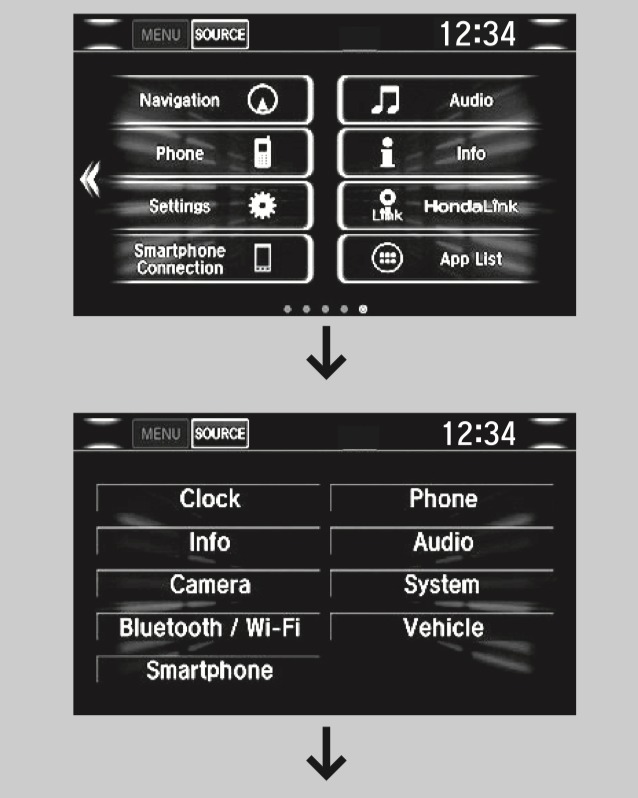
First, turn on your car’s ignition without starting the engine. Access the main menu on your dashboard display. Look for the “Settings” or “Vehicle” option. Scroll through the list until you find “TPMS” or “Tire Pressure Monitoring System.” Select this option to open the TPMS settings.
The exact path may differ by car make and model. Check your owner’s manual if needed. Navigating carefully helps avoid confusion and speeds up the reset.
Select Calibration Or Reset
Once inside the TPMS settings, find the option labeled “Calibration,” “Reset,” or “Relearn.” Select this choice to start the reset process. Your dashboard may ask you to confirm or wait while it recalibrates.
After confirming, the system will update the tire pressure readings. Drive the vehicle a short distance to complete the calibration. The TPMS warning light should turn off once the reset is successful.
Automatic Tpms Reset
The Automatic TPMS Reset helps your vehicle recognize correct tire pressures. This process works without pressing any buttons or using special tools. It relies on your car’s sensors to detect pressure changes during driving. This method is convenient for most drivers.
When you adjust your tire pressures, the system will recalibrate itself after some driving. This saves time and ensures your TPMS is accurate. The process varies slightly by car model but usually involves normal driving.
Drive To Recalibrate Sensors
Start by inflating all tires to the recommended pressure. Check the sticker inside the driver’s door for exact numbers. Drive your vehicle at a steady speed for about 10 to 30 minutes. The sensors will detect the new pressures and reset automatically. Avoid sudden stops or sharp turns during this time.
Driving on highways is best for sensor recalibration. The system needs consistent motion to refresh its readings. After driving, the TPMS light should turn off if pressures are correct.
Monitor Tpms Light
Keep an eye on the TPMS warning light on your dashboard. It turns on when tire pressure is low or sensors need resetting. After driving to recalibrate, the light should go off. If it stays on, check tire pressures again.
Sometimes, the light blinks before turning solid. A blinking light often means a sensor issue. In that case, manual reset or professional help might be needed. Regular monitoring keeps your tires safe and extends their life.
When To Use Professional Tools
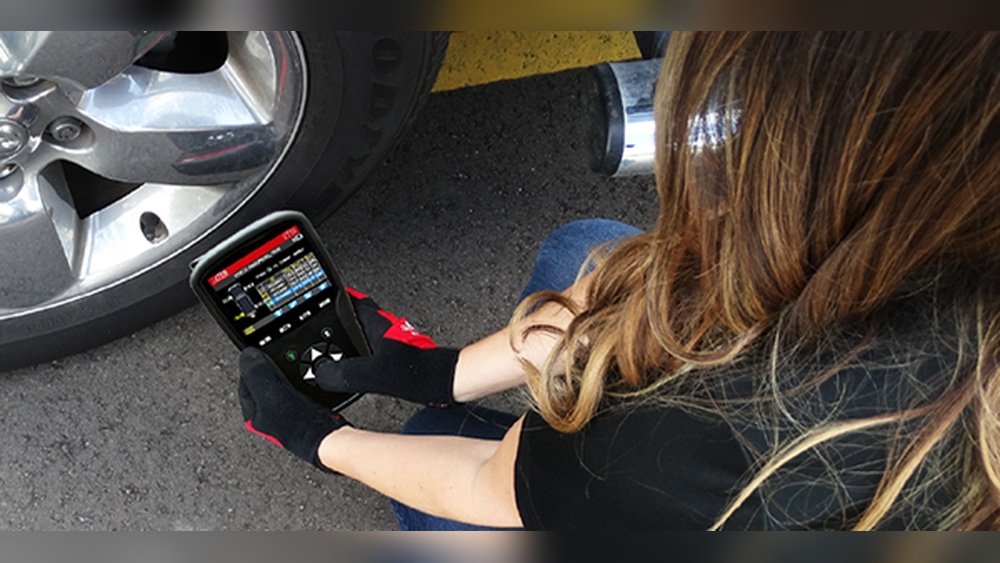
Professional tools play a key role in maintaining your Tire Pressure Monitoring System (TPMS). They help with advanced tasks that basic resets cannot fix. Using these tools ensures your TPMS works correctly and safely. Understanding when to use professional tools saves time and prevents damage.
Simple tire pressure fixes often do not require special devices. But sensor problems or replacements do. Professional tools communicate directly with the sensors. They can program new sensors and clear error codes. This makes them essential for certain repairs.
Sensor Replacement Programming
When a TPMS sensor is replaced, it must be programmed to the vehicle. This process syncs the new sensor with the car’s system. Professional tools send the correct signals to the new sensor. Without programming, the sensor will not work properly. Programming also prevents warning lights from staying on.
Programming requires specific software and hardware. The tool reads sensor IDs and uploads them to the vehicle’s computer. This step is beyond simple manual resets. Mechanics use professional tools to save time and ensure accuracy.
Handling Sensor Failures
Some sensor failures trigger flashing TPMS warning lights. This signals a communication problem or sensor damage. Professional scan tools identify the exact sensor causing the issue. They provide diagnostic codes that guide repairs.
In many cases, the sensors need recalibration or replacement. Using a professional tool resets the system after repairs. This clears error messages and restores proper function. Handling sensor failures without these tools may lead to repeated warnings.
Tips For Maintaining Tpms
Maintaining your Tire Pressure Monitoring System (TPMS) helps keep it accurate and reliable. Proper care prevents warning light errors and extends sensor life. Follow simple steps regularly to avoid common TPMS issues.
Consistent attention to your tires ensures your TPMS works well. This saves you time and money on repairs or tire damage.
Regular Tire Pressure Checks
Check tire pressure at least once a month. Use a reliable tire pressure gauge for accurate readings. Always measure pressure when tires are cold for best results. Adjust pressure to match the vehicle manufacturer’s recommended PSI. Proper tire inflation improves safety, fuel efficiency, and tire wear. Regular checks prevent TPMS alerts caused by low or high pressure.
Avoid Frequent False Alerts
False alerts can happen if sensors are dirty or damaged. Clean sensors gently with a soft cloth during tire changes. Replace batteries or sensors if alerts continue after resetting. Avoid mixing different tire brands or sizes as this confuses the TPMS. Maintain consistent tire rotation and alignment to keep sensors balanced. Taking these steps reduces unnecessary warnings and helps the system work smoothly.
Frequently Asked Questions
Can I Reset Tpms Myself?
Yes, you can often reset TPMS yourself by inflating tires to the correct PSI and using the reset button or dashboard menu. Some vehicles reset automatically after driving. Sensor failures or replacements may require professional tools. Always check your owner’s manual for specific instructions.
Where Is My Tpms Reset Button Located?
The TPMS reset button usually sits under the dashboard, near the steering column, or inside the glove box. Check your owner’s manual for the exact location. Turn the ignition on, press and hold the button until the TPMS light blinks, then release to reset.
Will Tpms Reset On Its Own?
TPMS usually resets automatically after inflating tires to the correct pressure and driving for several minutes. Some models need manual reset via a button or menu. Persistent warnings may require professional tool use.
Can Autozone Reset Tpms Sensor?
AutoZone can reset the TPMS sensor using diagnostic tools for certain vehicles. Some resets may require professional equipment.
How Do I Reset The Tpms Light On My Car?
Adjust tire pressure to recommended levels, then use the reset button or drive for a few miles to clear the light.
Conclusion
Resetting your TPMS system helps keep your tires safe and efficient. Follow your car’s instructions carefully for best results. Check tire pressure regularly to avoid warning lights. A quick reset can save time and prevent future issues. Stay alert to any sensor problems that may need expert help.
Keeping your TPMS working properly improves driving safety. Simple steps make the process easy for everyone. Drive safely with properly maintained tire pressure.