
Is your air conditioner acting up just when you need it most? Maybe it’s not blowing cold air or it suddenly stopped working.
Before you call for expensive repairs, there’s a simple step you can try yourself: resetting your air conditioner. Resetting can clear minor glitches and get your AC running smoothly again. In this guide, you’ll learn exactly how to reset your air conditioner safely and effectively.
Follow these easy steps, and you might just save time, money, and a lot of frustration. Keep reading to find out how to bring cool comfort back to your home quickly!
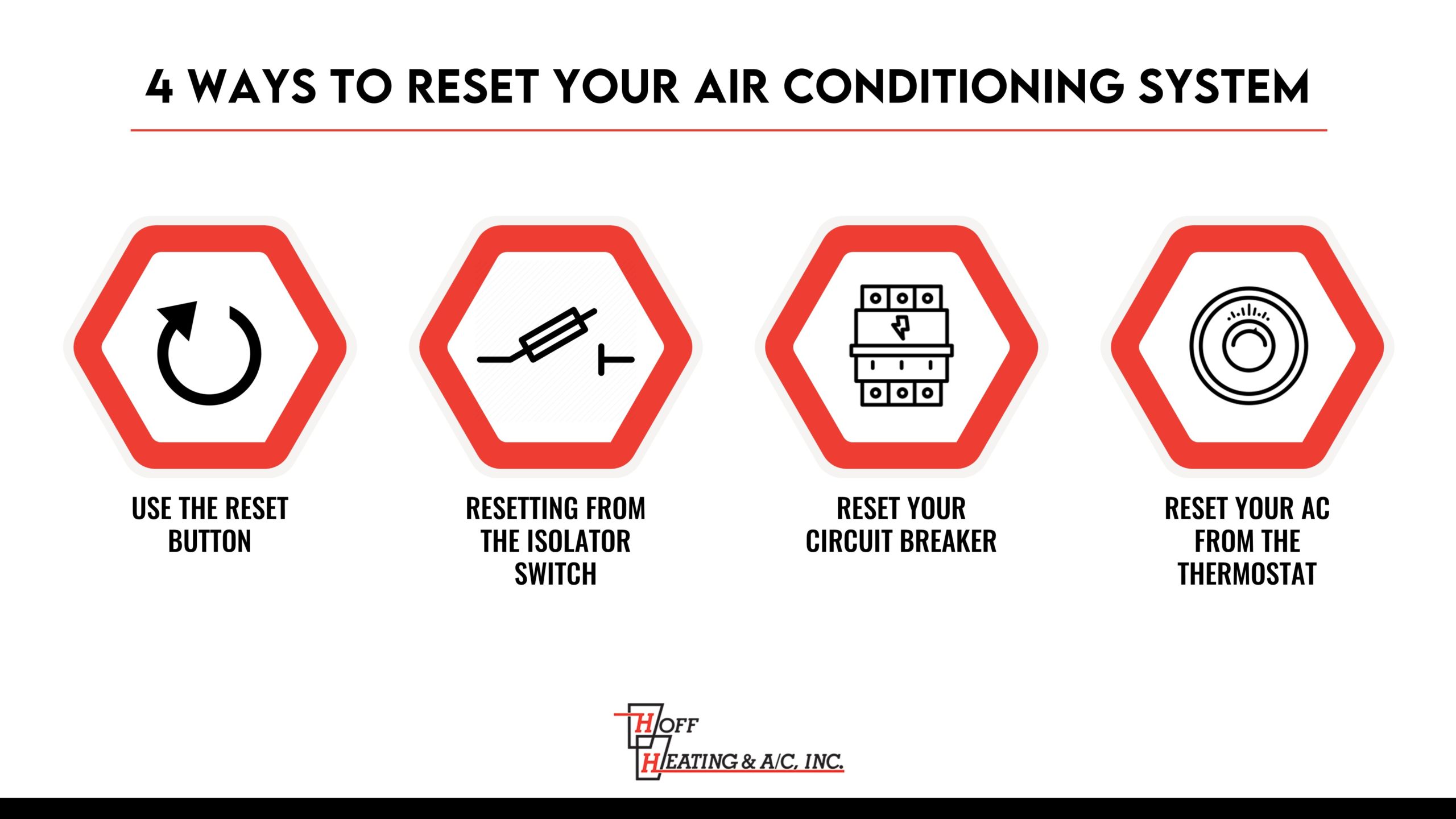
Credit: hoffheating.com
Common Ac Problems
Air conditioners often face problems that stop them from working properly. Understanding common AC issues helps you know when to reset or call for service. Some problems are easy to fix, while others may need professional help. Knowing these issues saves time and keeps your home cool.
Thermostat Issues
The thermostat controls your AC’s temperature. Incorrect settings can cause the AC to not cool well. Sometimes, the batteries inside the thermostat die. Faulty wiring or sensor problems also affect its function. Checking the thermostat first can fix many cooling problems.
Dirty Filters And Debris
Filters trap dust and dirt. Over time, they get clogged and block airflow. This makes the AC work harder and cool less. Outdoor units can get covered with leaves or dirt. Cleaning filters and clearing debris improves AC performance and prevents damage.
Refrigerant And Coil Troubles
Refrigerant cools the air inside your home. Low refrigerant means leaks or poor charging. Coils inside the AC can freeze or get dirty. Frozen coils stop proper cooling. Regular checks and cleaning keep refrigerant and coils working well.
Compressor And Fan Failures
The compressor pumps refrigerant through the system. If it fails, the AC won’t cool. Fans move air across coils. Broken fans reduce airflow and cause overheating. These parts need careful inspection and repair by experts.
Signs You Need To Reset
Knowing the signs that your air conditioner needs a reset helps avoid bigger problems. A reset often fixes small glitches and restores proper function. Watch for clear signs that suggest your unit is struggling.
Unit Not Cooling Properly
Your air conditioner should cool your space evenly. If it blows warm air or takes too long to cool, a reset may help. Sometimes, the system just needs to restart to fix cooling issues. Check the temperature settings and air filters first. If the problem continues, reset the unit to clear errors.
System Malfunctions
Strange noises, sudden stops, or erratic operation signal system malfunctions. These problems often stem from minor errors within the unit’s controls. Resetting the air conditioner can clear faults and restore smooth operation. Keep an eye on unusual behavior to know when to reset.
Electrical Glitches
Frequent tripping of breakers or flickering power can cause electrical glitches. These glitches disrupt the air conditioner’s performance. A reset helps by rebooting the electrical components safely. If the unit still acts up, professional help may be needed, but start with a reset to rule out simple errors.
Preparing To Reset
Preparing to reset your air conditioner is an important first step. It ensures you reset the unit safely and correctly. Taking time to prepare helps avoid damage and improves the chances of fixing the issue quickly.
Before you start the reset process, power down key components. This protects you and the AC system. Follow each step carefully to get ready for the reset.
Turn Off Thermostat
Begin by switching off your thermostat. Set it to the “Off” position to stop the AC from running. This prevents the system from turning back on during the reset. It also protects the unit from electrical surges or damage.
Locate Electrical Panel
Next, find your home’s main electrical panel. This panel controls power for your entire house. It is usually a metal box mounted on a wall in a garage, basement, or utility room. Opening this panel gives you access to the breakers. Be cautious and avoid touching any exposed wires.
Identify Ac Breaker
Look for the breaker labeled for your air conditioner. It might say “AC,” “Air Conditioner,” or show the brand name. The breaker is a switch that controls power to your AC unit. Flip it to the “Off” position to cut power. This step is essential before resetting the system safely.
Credit: www.avsheatingandair.com
Resetting Via Circuit Breaker
Resetting your air conditioner using the circuit breaker is a simple and effective way to fix minor electrical issues. This method cuts power to the unit and restarts it, which can clear faults. It is especially useful when the AC stops working suddenly or shows error codes.
Follow these clear steps to reset your AC safely via the circuit breaker.
Flip Breaker Off
Locate the circuit breaker panel in your home. Find the breaker labeled for your air conditioner. Flip this breaker switch to the “Off” position. This cuts power to your AC unit completely.
Wait Before Restarting
Wait about 30 seconds after turning off the breaker. This pause allows the system to fully power down. It also helps clear any electrical faults in the unit.
Flip Breaker On
After waiting, flip the breaker switch back to the “On” position. This restores power to your air conditioner. You should hear the unit start up or see indicator lights turn on.
Set Thermostat To Cool
Go to your thermostat and set the mode to “Cool.” Adjust the temperature to your preferred level. This signals the AC to begin cooling your home again.
Using The Reset Button
Using the reset button on your air conditioner can quickly fix minor issues. This simple step helps clear errors and restarts the system. It is often the first thing to try before calling for repairs.
Follow the steps below carefully to reset your air conditioner using the reset button.
Find The Reset Button
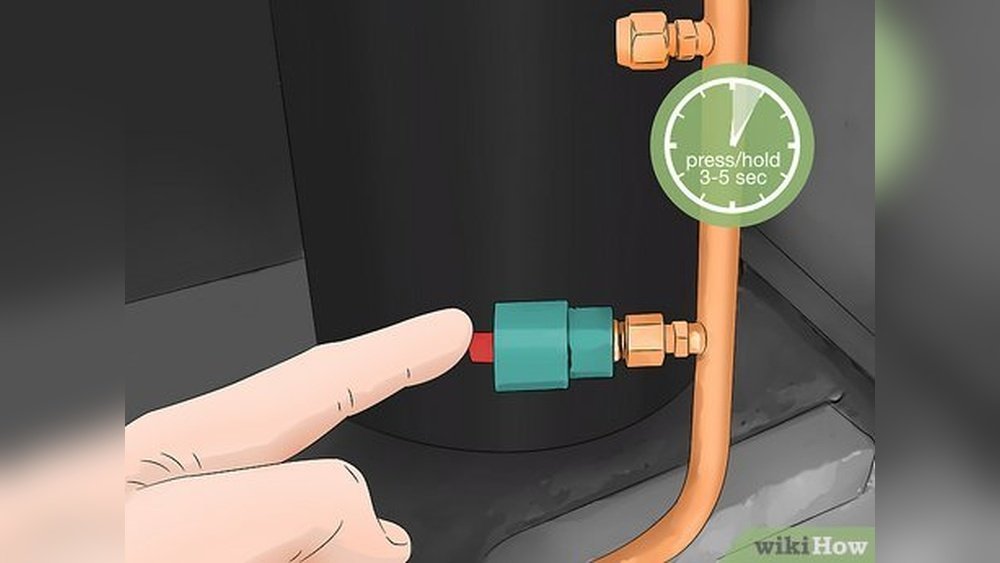
Locate the reset button on your air conditioner unit. It is usually near the electrical panel or inside the access panel. Look for a small, red or black button labeled “Reset.” If unsure, check the user manual for exact location.
Press And Hold Properly
Press the reset button firmly using your finger. Hold it down for about 5 to 10 seconds. This allows the system to clear any faults or errors. Do not release the button too soon or press it repeatedly.
Observe System Response
After releasing the button, wait for the unit to restart. Listen for the fan or compressor turning on. Check if the air conditioner starts cooling again. If it does not respond, repeat the process or consult a technician.

Credit: www.tcl.com
After Reset Checks
After resetting your air conditioner, it is important to perform a few checks. These help confirm the reset worked and the unit runs smoothly. Checking the system right away can catch any lingering problems early. Follow these simple steps to ensure your AC is back to normal.
Listen For Normal Operation
Turn on your air conditioner and listen closely. The fan and compressor should run steadily without strange noises. Look for any rattling, buzzing, or clicking sounds. These may signal a problem. A smooth, quiet operation usually means the reset was successful.
Check Temperature Drop
Measure the temperature near the air vents after 15-20 minutes. The air should feel noticeably cooler. A good drop in temperature shows the AC is cooling properly. If the air stays warm or barely cools, further inspection is needed.
Inspect For Persistent Issues
Watch for any repeated error codes or warning lights on your thermostat or unit. Also, check the airflow and listen again after some time. Persistent issues might mean the reset did not fix the root cause. Contact a professional technician if problems continue.
When To Call A Technician
Knowing when to call a technician can save your air conditioner from serious damage. Some problems require professional tools and skills. Ignoring warning signs can lead to costly repairs or replacements. Watch for signs that show your AC needs expert help.
No Improvement After Reset
Resetting your air conditioner often fixes minor glitches. If the unit still does not cool properly or stops working, the problem might be deeper. Continuous failure after a reset means a technician should check the system. They can diagnose issues like refrigerant leaks or electrical faults safely.
Strange Noises Or Smells
Unusual sounds like grinding, rattling, or squealing are warning signs. Odd smells such as burning or mold indicate possible damage or blockages. These symptoms need immediate professional attention. A technician will find the source and prevent further damage or health risks.
Frequent Breaker Trips
When your AC causes the circuit breaker to trip often, it shows electrical trouble. This problem can be dangerous and may indicate wiring issues or a failing compressor. Calling a technician ensures the electrical system is safe and working properly. Do not ignore frequent breaker trips.
Preventive Tips For Ac Health
Taking care of your air conditioner helps it run smoothly and last longer. Preventive steps can stop many common problems. Simple habits keep your AC healthy and efficient. Follow these tips to avoid breakdowns and save money on repairs.
Regular Filter Cleaning
Clean the air filter every month during heavy use. A dirty filter blocks airflow and reduces cooling power. Remove the filter and rinse it with water. Let it dry completely before putting it back. A clean filter improves air quality and lowers energy bills.
Clear Debris Around Unit
Keep the outdoor unit free from leaves, grass, and dirt. Clear at least two feet around the unit for good airflow. Check for obstructions like branches or trash after storms. This helps the AC work efficiently and prevents overheating.
Schedule Annual Maintenance
Have a professional technician inspect your AC yearly. They check refrigerant levels, clean coils, and test electrical parts. Early detection of issues avoids costly repairs later. Regular service keeps your system running at peak performance.
Frequently Asked Questions
How Do You Manually Reset An Air Conditioner?
Turn off the thermostat and set it to “Off. ” Locate the AC circuit breaker and switch it off. Wait 1-2 minutes, then turn the breaker back on. Finally, set the thermostat to “Cool” and a lower temperature to restart the system.
Why Is My Ac Not Blowing Cold Air?
Your AC may not blow cold air due to thermostat issues, dirty filters, debris around the unit, low refrigerant, frozen coils, or a faulty compressor. Check settings and clean filters first. Persistent problems often need professional HVAC repair.
How To Reset Ac Unit Outside?
Turn off your thermostat. Locate the outdoor unit’s circuit breaker and switch it off for 1-2 minutes. Turn the breaker back on. Set the thermostat to “Cool” and lower the temperature to restart the AC unit.
What Does Resetting An Air Conditioner Do?
Resetting an air conditioner clears minor errors and electrical glitches. It powers off the unit, then restarts components for proper function. This simple step often resolves malfunctions and restores cooling efficiency quickly.
How Do You Manually Reset An Air Conditioner?
Turn off the thermostat and power at the breaker. Wait 5 minutes, then turn both on again.
Conclusion
Resetting your air conditioner can fix many common issues quickly. Start by turning off the thermostat and cutting power at the breaker. Wait a few minutes before turning everything back on. This simple step helps clear errors and lets your unit run smoothly again.
If problems persist, consider contacting a professional for further help. Regular maintenance also keeps your AC working well and lasting longer. Stay cool and comfortable by acting fast when your air conditioner acts up.