Resetting your air conditioner takes about 30 minutes of total power-down time at your home’s breaker panel. If your cooling system suddenly blows warm air or stops responding after a storm, this basic power reboot clears temporary software lockouts and compressor protection delays. This method works best for central split systems and standard package units.
Tools to Reset Your Air Conditioner
- Your home electrical service panel with clear circuit labels.
- A standard flashlight or fully charged phone light to read breaker labels in dark areas.
- The original wall thermostat, set to the off position.
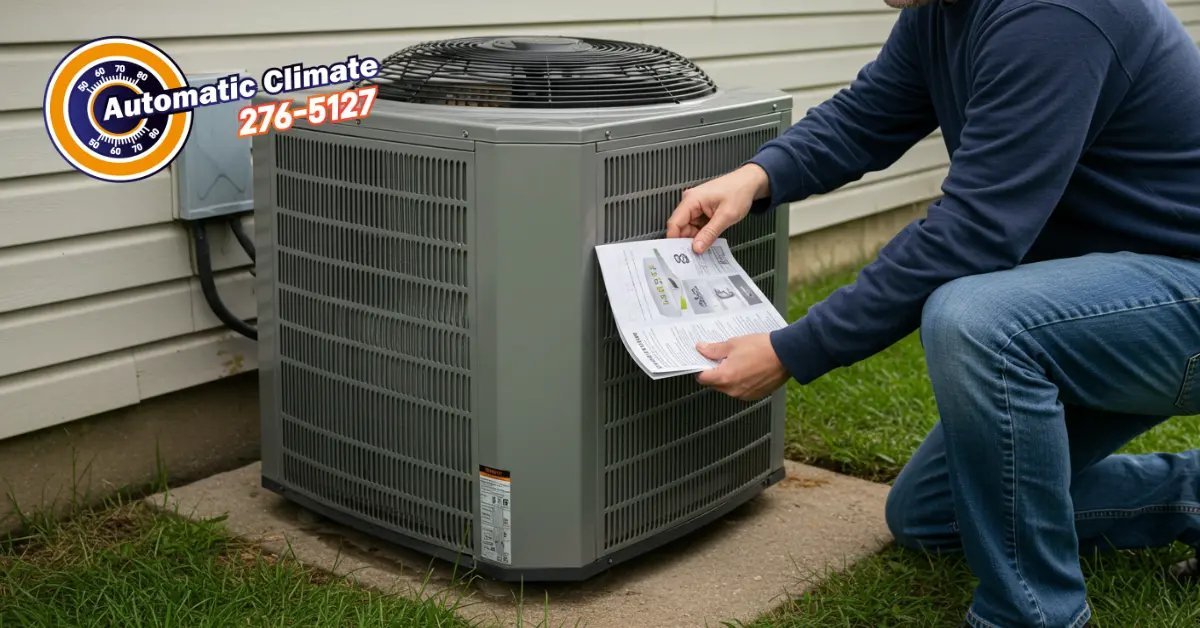
- The owner’s manual for your specific model (online copies work if you have the model number).
- A flathead screwdriver or panel key, needed only if your breaker box has an exterior security latch.
You can substitute an outdoor disconnect switch handle pull for the breaker switch if your main panel isn’t accessible, but you can’t substitute simply lowering the thermostat temperature dial. Any work inside the air handler cabinet or compressor enclosure requires a licensed HVAC technician.
Step-by-Step
- Set your indoor thermostat mode switch to OFF and drop the fan switch to AUTO.
- Walk to your main electrical panel and find the two-pole breaker labeled for your air conditioner or heat pump.
- Push that breaker handle firmly to the full OFF position. If it sits tripped in the middle, push it all the way off before moving it again. Careful: Don’t touch any exposed metal wires or open the panel deadfront screws, because main bus bars stay live even when branch breakers are off.
- Leave the breaker switched off for a full 30 minutes. This window ensures electronic controls discharge and internal pressure can equalize. Tip: Set a kitchen timer for 30 minutes so you don’t flip the breaker too early and interrupt the discharge cycle.
- Push the breaker handle firmly back to the ON position until it clicks into place.
- Return to your thermostat, change the mode switch to COOL, and set your target temperature at least 5 degrees below the current room temperature reading.
- Listen for the outdoor condenser fan to start, which can take up to 5 minutes due to built-in system delay timers. Careful: If the breaker snaps back to the middle immediately, don’t force it on again; call an electrician or HVAC professional to locate the short circuit.
Reset Times Across Different Setups
It’s safer to leave the power off for an extra ten minutes than to rush the reboot and leave protective relays locked.
How to Tell You Did It Right
A successful restart produces steady airflow from your supply vents that measures noticeably colder than the room air within ten minutes. A failed reset leaves the fan silent, blows room-temperature air, or trips the circuit breaker a second time. This quality failure usually happens because dirty filters or failing capacitors cause the motor to pull unsafe electrical current. If your airflow stays weak, replace the air filter before calling for repair service. You can trade twenty minutes of your time to clear a glitch yourself, but you trade away warranty coverage if you open the sealed cabinet.
Operating Standards and Next Steps
The ENERGY STAR heating and cooling guide recommends replacing dirty air filters before restarting locked systems to prevent high internal pressures. After resetting the breaker, close and latch the steel panel door to protect the switches from dust and moisture. Record the date and room temperature in a notebook so you can track repeat shutdowns. This reset should last indefinitely; if you must reset the power switch weekly, your compressor is drawing excess amperage. Never attempt to discharge internal motor run capacitors yourself, as they hold dangerous voltage long after panel power drops.
Alternative Cooling Reset Methods
Dedicated Equipment Reset Button
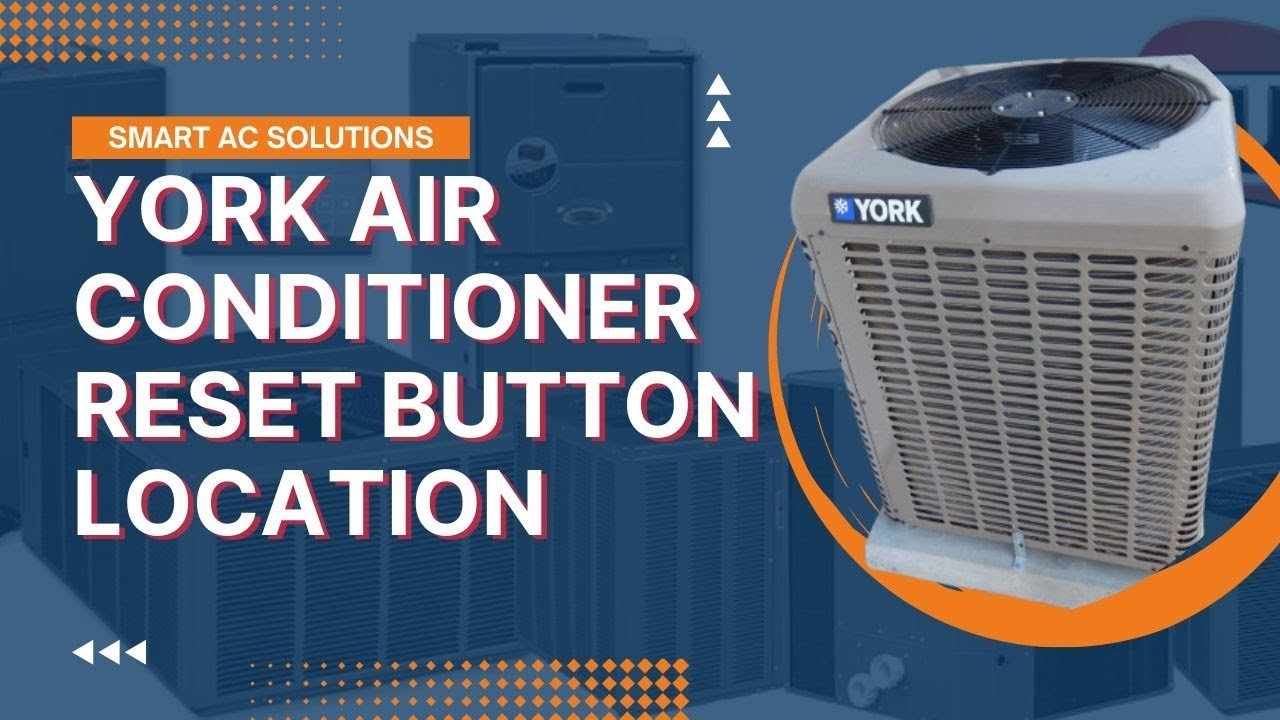
Some outdoor condenser units feature an external rubber push-button near the base of the access panel. Pressing this button for five seconds clears high-pressure lockouts instantly. This saves thirty minutes of waiting, but it only exists on select premium residential condensers.
Thermostat Battery Pull
Removing your programmable thermostat faceplate and pulling the AA or AAA batteries resets the control interface directly. This takes under two minutes and costs nothing, though it forces you to reprogram your weekly cooling schedule from scratch.
Outdoor Disconnect Switch Pull
Pulling the pull-out handle from the disconnect box mounted beside your outdoor compressor cuts high-voltage power locally. This isolates the condenser while leaving indoor blowers active, but it requires using firm grip pressure on weathered, tight-fitting plastic blocks.
Frequently Asked Questions
Can I Reset My Unit Using Just the Thermostat?
No, modern digital thermostats control only low-voltage signaling relays. While cycling the thermostat off can clear simple user errors, it won’t cut main line voltage to compressor safety circuits or clear severe hardware freeze locks.
Why Won’t My System Turn Back on After Thirty Minutes?
A faulty contactor relay, a failed starting capacitor, or an open high-pressure limit switch stops startup signals. When these internal electrical components fail, the outdoor unit can’t energize even if the main breaker delivers clean line voltage.
How Long Does the Outdoor Unit Delay Before Starting?
Most modern residential systems hold a built-in delay between three and five minutes. This protective pause stops compressor short-cycling, allowing internal refrigerant lines to balance pressures before the motor attempts to spin under heavy load.
Is It Safe to Flip the Circuit Breaker Multiple Times?
No, repeatedly resetting a breaker that clicks off immediately risks damaging wiring insulation and can cause an electrical fire. If a breaker trips twice in a row, leave it off and contact a licensed electrician.
What Happens If I Forget to Turn Off the Thermostat First?
Your system may attempt to energize controls immediately rather than allowing a clean, sequenced startup. This sudden spike creates electrical arcing across breaker contacts and can trip the breaker instantly before the system stabilizes.