Resetting anti lock brake light warnings takes about five minutes using an OBD-II scanner capable of reading chassis codes. This method suits drivers whose brake hardware is already repaired or who experienced a temporary sensor glitch after driving through heavy slush.
Tools to Reset Your Anti Lock Brakes
- An OBD-II diagnostic scanner that explicitly supports ABS and chassis codes (standard emissions-only code readers won’t communicate with the brake module).
- A 10-millimeter wrench or socket to loosen the negative battery terminal clamp.
- Clean safety glasses and work gloves to protect against dirt and battery acid.
- Your vehicle owner’s manual to verify fuse box layouts and system-specific warnings.
A dedicated ABS handheld tool works as an effective substitute for a professional shop scanner, but a basic five-dollar engine scanner won’t work because it only scans powertrain codes. If your anti-lock system shows a hard electrical failure, advanced diagnostics require dedicated electrical training and shop equipment from a certified brake technician.
Step-by-Step
- Park the vehicle on a level, paved surface, turn off the engine, and firmly set the parking brake.
- Locate the 16-pin OBD-II data port under the driver’s side dashboard, then firmly plug in your ABS-capable diagnostic tool.
- Turn the vehicle ignition key to the “ON” or “RUN” position without cranking the engine.
- Open the scanner’s main menu, select your vehicle’s exact make, model, and year, then enter the “Anti-Lock Brake System” menu.
- Record every active trouble code displayed on the screen so you have a written record of past faults. Careful: If the scanner returns active hydraulic pump faults or internal valve errors, clearing the code won’t fix the car, and continuing to drive requires immediate mechanical inspection.
- Select the “Clear Codes” or “Erase ABS Data” command on the tool and press confirm. Tip: If the scanner says communication failed, turn the ignition completely off, reseat the connector firmly, and switch back to the “ON” position.
- Disconnect the scan tool, switch the key to “OFF”, wait 10 seconds, then start the engine to confirm the instrument cluster lamp goes dark.
- Drive the vehicle for 10 to 15 minutes above 20 mph so the onboard computer can verify wheel-speed sensor signals across all four hubs. Tip: If X shows a steady light after you drive, do A: book an appointment with a mechanic; if Y shows the light turning off completely, do B: keep the written fault log and resume normal driving.
Reset Time and Cost by Problem
Your actual repair time and out-of-pocket expenses depend directly on what triggered the dashboard alert in the first place.
| Problem Type | Cost and Time | What Makes It Different | What to Watch Closely |
|---|---|---|---|
| Temporary sensor glitch | Free; 10 minutes | Dirt or snow blocked the tone ring briefly | Ensure the light stays off during highway speeds |
| Blown ABS solenoid fuse | Under $10; 15 minutes | Electrical circuit open before the module boots | Check if the new fuse blows immediately |
| Damaged wheel speed harness | Under $100; 1 to 2 hours | Physical wire tear from road debris | Listen for rubbing noises near the wheel well |
| Failed ABS control module | High shop rate; 2 to 4 days | Internal board failure requiring programming | Watch for simultaneous loss of traction control |
It’s safer to start with a simple scanner reset before buying expensive replacement parts, because overshooting on repairs wastes money when the issue might just be road grime.
How to Tell You Did It Right
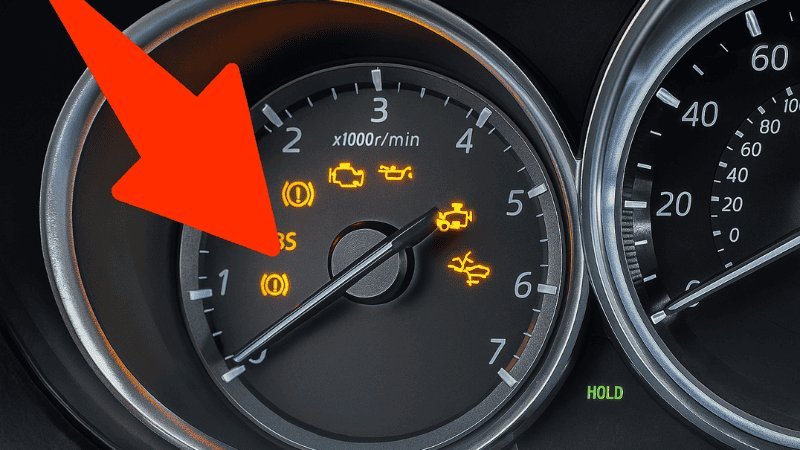
A successful reset shows a dark, quiet instrument panel once the engine runs, without any recurring yellow ABS warning lights. A poor result leaves the amber indicator illuminated or triggers it the moment your car rolls past 15 miles per hour. This rapid return happens because the anti-lock computer runs an automatic self-test every time the wheels start turning, catching broken sensor circuits instantly. This process involves a trade-off: an instant digital clear saves shop fees, but it hides underlying issues until the computer finishes its speed check. To prevent recurring faults, spray road grit off your tone rings, keep your brake fluid reservoir filled to the top mark, and protect the wheel-hub wiring harnesses from road debris.
Safety Rules and Final Checks
The National Highway Traffic Safety Administration light vehicle regulations mandate functional anti-lock systems on modern passenger cars to maintain directional steering during hard stops. This varies by model — check the label inside your door jamb or manual to see your vehicle’s specific safety standard. After completing your work, safely pack away your scanner, torque the battery clamp to snug tightness if loosened, and close the fuse cover. A clean reset lasts permanently if the hardware is intact; it only needs repeating if a new component fails. This diagnostic method isn’t for drivers with leaking brake calipers or a soft brake pedal, which always requires certified mechanical repairs.
Alternative Diagnostic Paths
Disconnecting the Vehicle Battery
Loosen the negative battery cable with a wrench and leave it disconnected for 20 minutes to drain onboard memory capacitors. This method costs nothing and needs no special software, but it also erases your radio presets, clock, and engine fuel trim data.
Driving an Automatic Drive Cycle
Drive the car continuously for two to three miles at speeds between 25 and 45 miles per hour. If you recently installed a new wheel sensor, the central brake controller will detect the clean signal and shut off the dashboard light automatically without external tools.
Visiting an Auto Parts Retailer
Drive to a retail auto parts store and ask an employee behind the counter to read your brake codes. Many stores scan customer codes for free, which saves you the expense of buying an ABS-ready diagnostic tool, though you can’t perform bi-directional tests yourself.
Frequently Asked Questions
Can I Drive My Car with the Abs Light On?
Yes, your standard hydraulic brakes will still stop the vehicle during everyday driving. However, the anti-lock feature won’t engage during an emergency stop, which means your tires can lock up and skid on slick pavement.
Why Did My Abs Light Come Back on Immediately?
A loose sensor connection or broken tone ring causes the light to reappear right away. The computer runs an electrical continuity check the moment you start the engine, and any open circuit triggers the warning instantly.
Will Disconnecting the Battery Reset the Abs Light?
No, disconnecting the battery doesn’t clear hard trouble codes on many modern vehicles. Safety-critical faults remain stored in non-volatile module memory until cleared by an ABS-compatible scan tool or verified through a self-healing drive cycle.
What Happens If I Ignore an Abs Light?
Ignoring the light leaves you without automatic skid control and usually disables your vehicle’s traction control and stability management systems. A mistake people actually make is ignoring the light before winter, which costs them hundreds of dollars in avoidable towing fees after sliding off icy roads.
How Long Does an Abs Drive Cycle Take?
It takes between 5 and 15 minutes of continuous driving above 20 miles per hour. The controller needs to see consistent voltage pulses from all four wheel sensors before it clears the dashboard alert.
Can Low Brake Fluid Trigger the Abs Light?
Yes, low fluid levels in the master cylinder reservoir can illuminate both the main brake system warning and the anti-lock alert. Check the fluid level first, as low fluid often signals worn friction pads or hydraulic leaks.