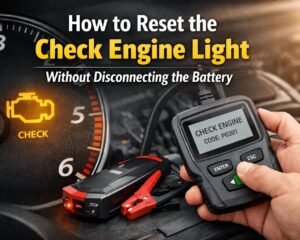
You can reset mass air flow sensor systems in about 15 minutes by disconnecting the negative battery cable to clear stored fuel trim data. This method works best for DIY car owners who just cleaned or replaced their intake sensor and want the engine control computer to relearn fresh airflow numbers quickly.
Tools Needed to Reset Your Mass Air Flow Sensor
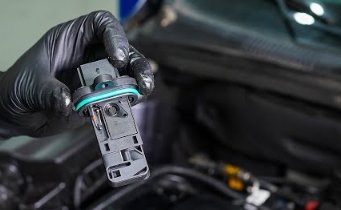
- A 10 mm open-end wrench or socket driver (this fits most vehicle battery terminals, though some trucks need an 8 mm or 12 mm size).
- Work gloves and safety glasses to shield your eyes and skin from battery acid residue.
- An OBD2 handheld scan tool with a clear-code function if you prefer not to touch the battery posts.
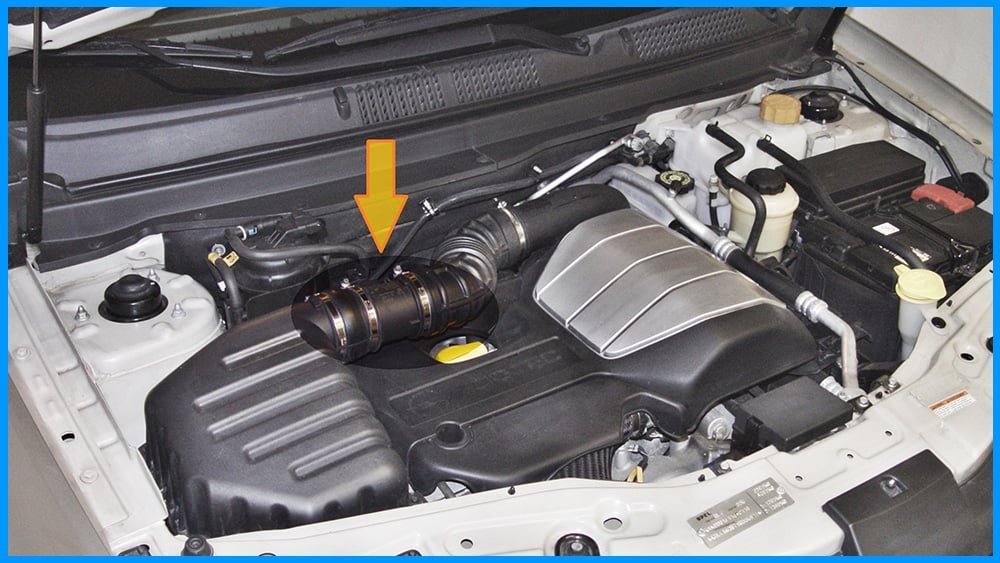
- A can of dedicated mass air flow cleaner spray if you need to wash dirt off the delicate hot wire.
Using an OBD2 scanner is an approved substitute for battery disconnection, but brake cleaner isn’t a safe substitute for MAF spray because harsh solvents melt internal plastics.
Step-by-Step
- Turn off your car’s ignition completely, remove the key from the tumbler, and pop open the hood.
- Locate the vehicle battery and identify the negative terminal, marked with a minus sign (-) and usually covered by a black plastic cap.
- Loosen the negative terminal clamp nut using your 10 mm wrench by turning it counterclockwise three to four turns until it wiggles freely.
- Pull the negative cable completely off the battery post and tuck it firmly to the side so it can’t spring back.
- Wait at least 15 minutes with the cable off so the backup capacitors inside the engine control module discharge completely.
- Reattach the negative cable onto the battery post, push it all the way down, and tighten the nut securely so you can’t twist the clamp by hand.
- Start the engine without touching the gas pedal, and let it idle quietly in park for 10 minutes to establish base idle air values. Tip: If the idle stumbles slightly during the first two minutes, leave it alone; the computer is actively rebuilding its fuel maps.
- Drive the car at varying road speeds for about 15 to 20 miles to finish recalculating short-term and long-term fuel trims.
Idle Relearn Times Across Vehicle Platforms
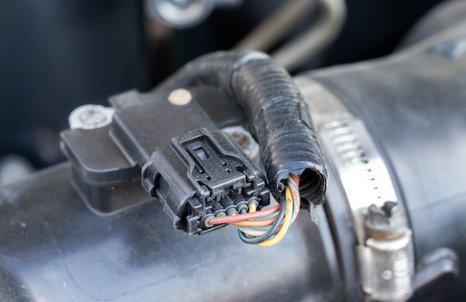
Different vehicle designs handle memory wipes at different speeds depending on how their control modules store learned data.
Starting with a short battery disconnect is safer than forcing advanced electronic adaptations right away, because a physical power cycle lets factory base tables load naturally without corrupting comfort accessories.
How to Tell You Did It Right
A correct reset produces a steady, quiet engine idle between 650 and 800 RPM once warmed up, alongside crisp acceleration without hesitations. A poor reset leaves you with a hunting idle that bounces up and down, rough vibrations at stoplights, or a quick return of diagnostic code P0101. This lingering problem happens because an unmetered air leak behind the sensor tube lets extra air bypass the wire. You prevent this by checking that your rubber intake hose clamps are tight, replacing cracked vacuum hoses, and letting the MAF cleaner dry for 10 minutes before reinstalling the part. This varies by model — check your service manual for proper clamp torque.
Reset Standards and Engine Readiness Monitors
Federal emissions compliance requires the onboard computer to complete several system evaluations before the car can pass an official inspection. According to the United States Environmental Protection Agency, clearing vehicle computer memory resets all internal readiness monitors to an unready status. Put your tools away, close the hood firmly, and store any radio presets that were wiped during the battery cut. The computer holds these fresh airflow calculations indefinitely unless a new vacuum leak appears, a sensor fails, or you disconnect the power supply again. If your check engine light returns immediately with an active circuit code, stop troubleshooting and hire an ASE-certified technician with diagnostic scope equipment.
Alternate Reset Methods
Obd2 Scanner Clear Function
Plug an OBD2 scanner into the port under your steering dash, switch the ignition on, and select the erase codes command. This clears stored air trims instantly in two minutes without wiping your radio presets or clock settings.
Dedicated Ecu Fuse Pull
Remove the specific engine control fuse from the under-hood fuse box using plastic fuse pullers, leaving it out for 15 minutes. This cuts power strictly to the powertrain computer while leaving your cabin electronics and alarm memories intact.
Professional Throttle Adaptation Scan
Take the vehicle to an auto repair shop where a technician uses a bi-directional scan tool to force an electronic airflow relearn. This costs more money for shop labor but ensures immediate idle calibration on sensitive drive-by-wire cars.
Frequently Asked Questions
Can You Reset a Maf Sensor Without Disconnecting the Battery?
Yes, you can reset it by plugging an OBD2 code reader into your car’s diagnostic port and selecting the clear trouble codes command. This clears out freeze-frame memory and active air sensor fault codes in seconds without cutting power to the rest of the car.
How Long Does a Car Take to Relearn a Maf Sensor?
It usually takes between 15 and 30 miles of mixed driving, including city stopping and steady highway cruising. During this drive cycle, the engine control module calculates fresh air-to-fuel ratios across various throttle angles and temperatures to stabilize the system.
Will Disconnecting the Battery Damage My Car Computer?
No, disconnecting the battery won’t harm the vehicle’s engine control module, but it temporarily erases stored memory tables. You might lose simple comfort preferences like clock time, saved radio stations, and automatic window limits, which need a quick manual reset.
Is It Safe to Drive with the Check Engine Light Flashing After a Reset?
No, you must pull over and shut down the engine immediately if the check engine light flashes continuously. A flashing light indicates an active engine misfire that can melt your expensive catalytic converter within minutes due to raw fuel dumping down the exhaust.
Why Did My Check Engine Light Come Back on After Clearing It?
The light returns because an underlying mechanical fault still exists, such as a cracked plastic intake boot, bad wiring harness, or failed sensor element. A reset only wipes the computer’s memory bank; it can’t fix physical vacuum leaks or broken electrical parts.
Take your car for a smooth test drive on local roads so your engine’s computer can adjust to the fresh readings. If the idle stays rough or that warning light pops back up, don’t worry. A simple scan tool can help you pinpoint other small intake leaks quickly.