Turn the key off, start the car, and drive to let the system recalibrate.
The physical button sets the current tire pressure as the baseline, which works only if every tire is already filled correctly. The system doesn’t know what your tire pressure should be; it simply memorizes whatever air is inside right now.
Adjusting pressures while the rubber is hot from driving leads to false alerts once the air cools down. Always check cold pressures before touching the button.
Steps to Reset the Tpms Light
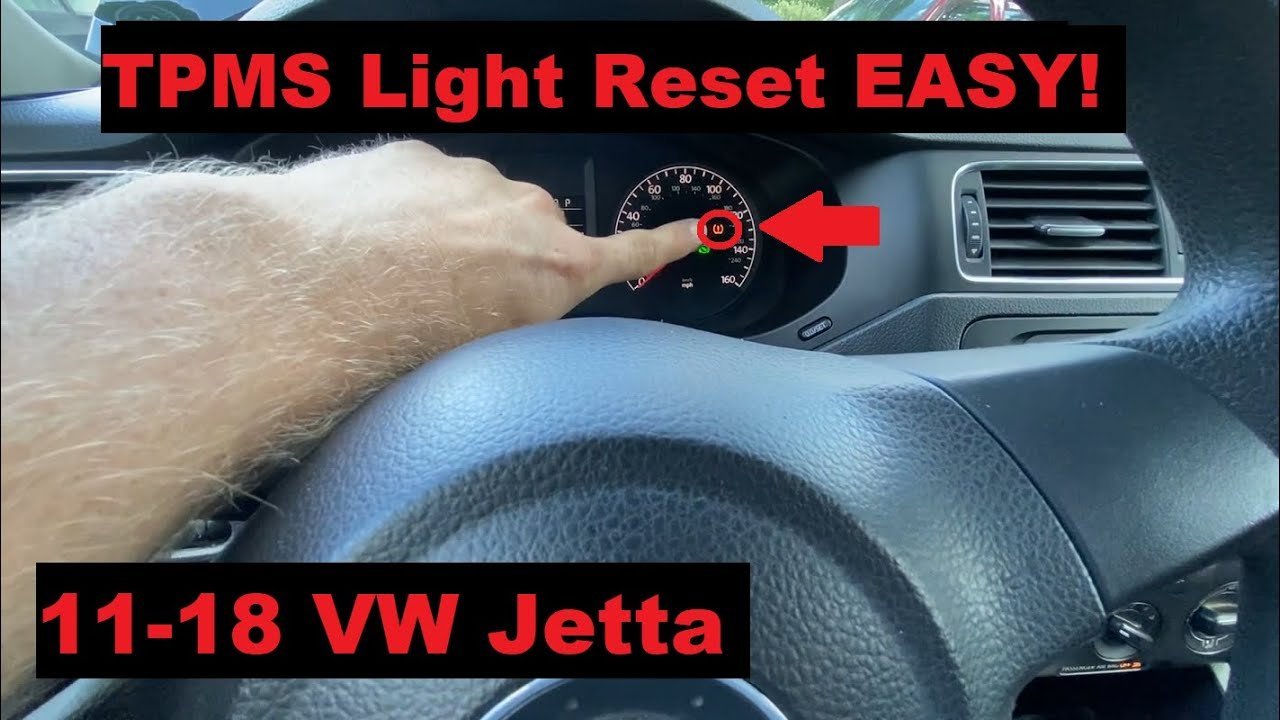
- Park on a level surface, turn off the engine, and let the tires sit for at least three hours so they’re completely cold.
- Inflate all four tires to the cold PSI listed on your driver-side door jamb, usually 34 to 36 PSI depending on your wheel size. Tip: Never use the maximum PSI number stamped on the tire sidewall, as that will cause a harsh ride and false warnings.
- Turn the ignition key to the “ON” position so the dashboard dash lights come on, but keep the engine off. Tip: If no chime sounds after five seconds, release the button, ensure the key is fully in the second ignition notch, and try again.
- Release the button, turn the key to “OFF”, and then start the engine to confirm the yellow light stays off.
- Drive the car above 15 mph for 10 to 20 minutes so the wheel speed sensors can record the rotation baseline.
If the yellow symbol continues flashing for 60 seconds each time you turn the key on before staying solid, a sensor has failed or its battery has died. Diagnosing bad internal sensors requires a specialized OBD2 scan tool or a visit to a certified tire shop.
How Long It Takes
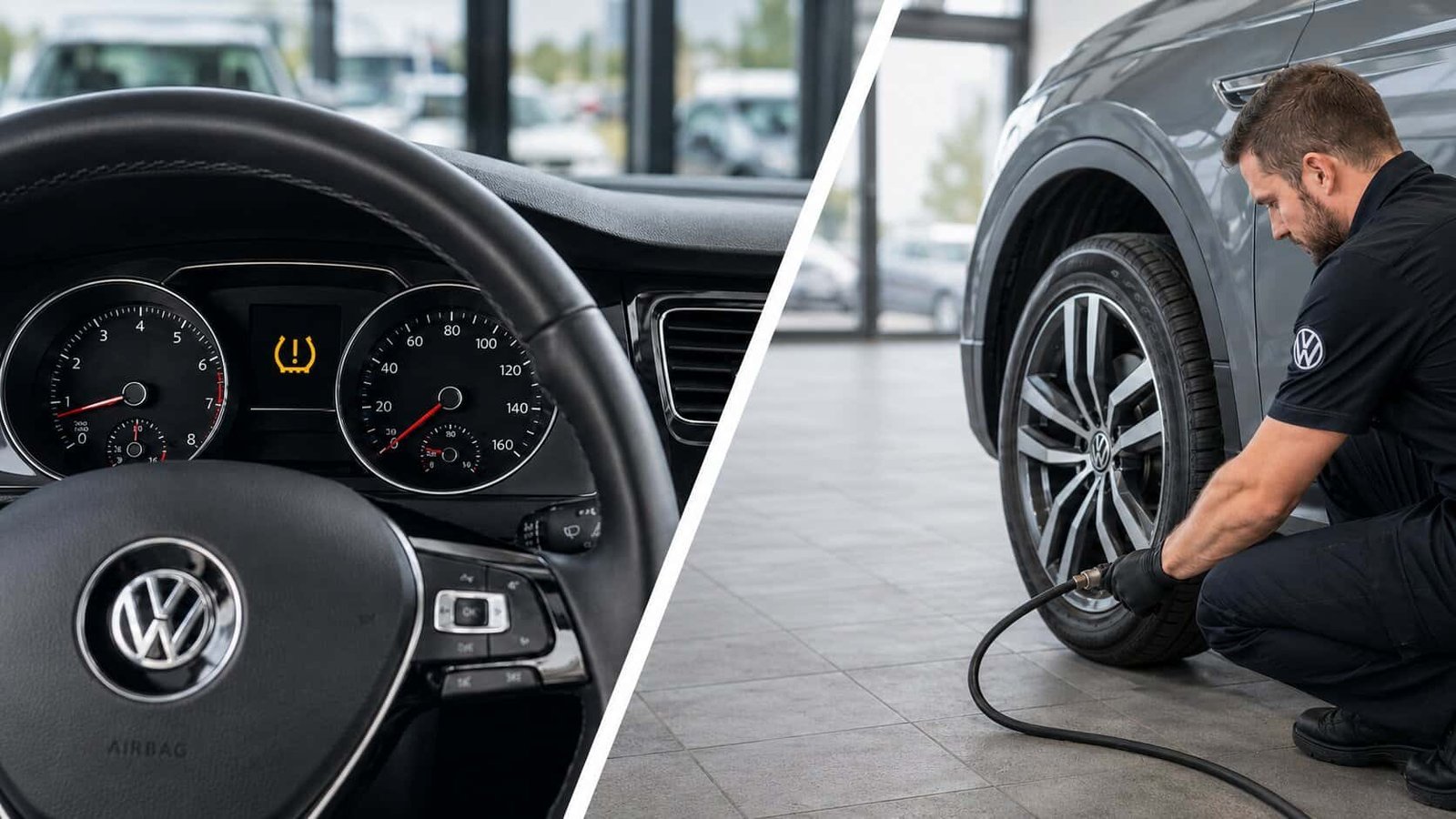
Resetting the memory takes under a minute, but full sensor calibration requires driving at regular road speeds.
| Situation | How long | What changes it | What to watch for |
|---|---|---|---|
| Button reset in glove box | 3 to 5 seconds | Firmness of press on the SET switch | Single dash chime and yellow icon turning off |
| Sensor relearn drive cycle | 10 to 20 minutes | Vehicle speed, stop-and-go traffic | Light remaining dark without reappearing |
| Cold tire pressure inflation | 5 to 10 minutes | Air compressor speed, initial tire pressure | Matching target PSI on door jamb sticker |
If the warning light returns within 20 minutes of driving, pull over and recheck your pressures for a slow puncture.
How to Tell When It’s Done
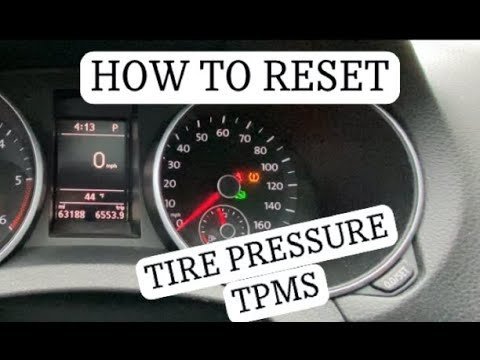
A successful reset produces a distinct single chime from the instrument cluster the moment you release the button. The yellow tire symbol turns off immediately on the dash screen.
To verify the calibration took hold, complete a short drive at steady street speeds. According to the NHTSA tire safety overview, proper pressure prevents tread separation and blowouts, so the system relies on steady tire rotation to confirm normal size. If the light remains off after 10 miles of highway driving, the process is complete. If the light flashes rapidly on startup, the system failed to store the values.
Mistakes That Ruin It
- Resetting before adding air: The computer saves whatever low pressure currently exists as the safe baseline. Always verify every tire with an accurate gauge before touching the reset button.
- Skipping the spare tire: A low compact or full-size spare equipped with a sensor can keep the warning light active despite four healthy road tires. Check the spare in the trunk and fill it to the specification printed on its wheel rim.
- Calibrating hot tires: Driving heats the air inside the rubber, causing pressure readings to rise by 3 to 5 PSI above baseline. Wait until the vehicle sits parked for a few hours before measuring and resetting.
- Tapping the button quickly: Pushing the button without holding it fails to trigger the computer’s memory wipe. Hold the button continuously until the audible chime rings through the cabin.
Can You Reset the Light Without the Glove Box Button?
No, the 2009 Jetta uses direct pressure sensors in each wheel that recalibrate automatically after being inflated to the proper pressure and driven. If the button is broken or missing, a technician must reset the system through the diagnostic OBD2 port under the dash.
Why Does the Tire Light Flash Before Staying Solid?
A flashing light indicates a hardware malfunction in the monitoring hardware rather than low tire pressure. This usually means an internal wheel sensor battery died or a sensor was damaged during recent tire mounting.
What Is the Correct Tire Pressure for This Car?
The driver-side door jamb sticker lists the exact cold PSI for your specific trim and wheel size. Most 2009 Jetta sedans use 34 to 36 PSI for normal loads, but check your vehicle’s label directly.
Is It Safe to Drive with the Yellow Warning Light On?
No, driving on underinflated tires increases heat buildup, damages the sidewall, and extends braking distances. Stop at the nearest service station, inspect the tread for punctures, and add air immediately.
What Happens If You Hold the Button While Driving?
The car must be completely parked with the ignition turned on to start the reset.