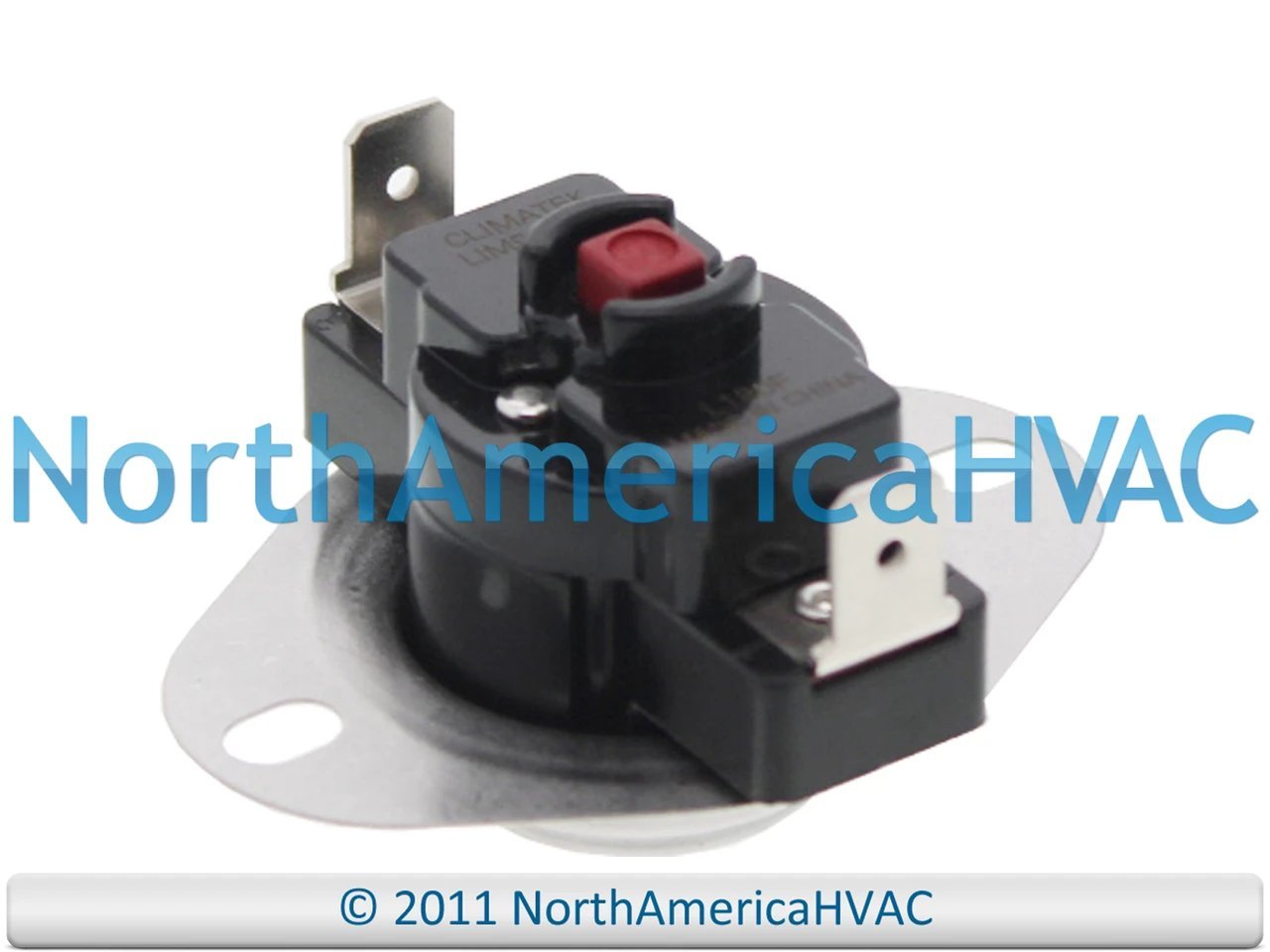
Resetting a furnace limit switch takes about 15 minutes by shutting off power, letting the unit cool down, and firmly pressing the small red button located between the wiring terminals. This simple manual procedure suits homeowners dealing with a modern gas furnace that suddenly blows cold air or stops cycling after an airflow blockage.
What You’ll Need
- Flashlight with fresh batteries so you can see inside the dark cabinet.
- 1/4-inch hex head nut driver to remove the metal service door screws.
- Clean air filter of the exact dimensions printed on your current filter frame.
- Work gloves to protect your hands from sharp sheet-metal edges.
A flathead screwdriver works well if your furnace doors use slotted screws instead of hex screws, but power drills don’t work safely here because they easily strip the thin sheet metal. Any work involving electrical testing with a multimeter, touching internal capacitors, or tracing loose wiring needs professional training; call a licensed HVAC technician to handle those tasks safely.
Step-by-Step
- Turn the wall thermostat completely off and set the temperature setting to its lowest level.
- Flip the electrical power switch beside the furnace to the “Off” position. Careful: Don’t skip cutting power here; you must shut off the furnace circuit breaker at the main electrical panel if your unit lacks a nearby service switch.
- Wait 20 to 30 minutes for the heat exchanger to cool down completely so you don’t burn your hands on metal parts.
- Unscrew the two to four fasteners on the upper burner access panel using your 1/4-inch nut driver, then lift the metal cover off.
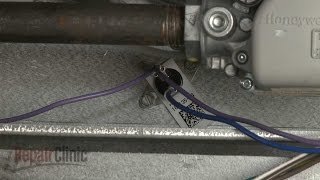
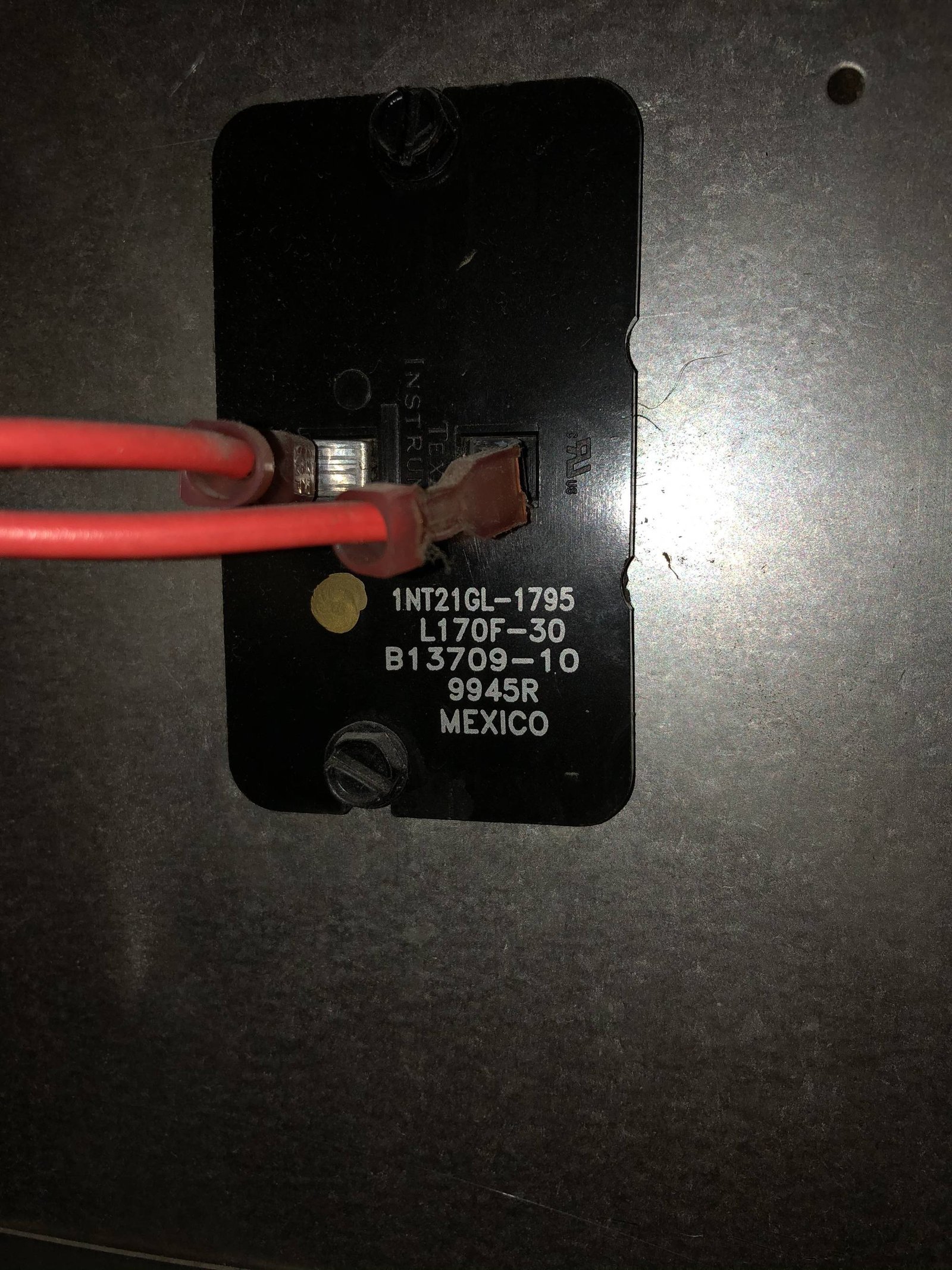
- Locate the limit switch mounted directly near the heat exchanger or burner compartment, which looks like a small component with two wires attached to it.
- Press the raised red button in the center of the switch firmly until you hear or feel a soft click. Tip: If the button feels stiff and doesn’t click, the switch has already cooled into its normal closed position or uses an automatic reset design.
- Inspect your furnace air filter and replace it immediately with a fresh, correctly sized filter if dust coats the pleated surface.
- Reinstall the metal panel securely using the original screws so the internal safety door switch engages.
- Flip the power switch back on, raise the thermostat five degrees above room temperature, and observe the furnace through one full heating cycle. If the burners shut down again after two minutes, internal components require professional diagnosis from a certified heating contractor.
Burner Behavior Across Common Setups
When heating equipment trips, system conditions dictate the exact recovery steps.
| Furnace condition | Typical time to resolve | Mechanical difference | What to monitor |
|---|---|---|---|
| Clogged air filter | 15 minutes | Blower fan struggles to pull return air | Air temperature at the nearest supply vent |
| Closed supply registers | 10 minutes | Air backs up inside the supply plenum | Rapid clicking noises from duct expansion |
| Blocked exhaust flue | 45 minutes | Pressure switches fight for draft flow | Burner flame color through the view glass |
| Failed blower motor | 2 to 4 hours | Fan wheel remains completely motionless | Humming sounds coming from lower cabinet |
It’s safer to clear simple airflow blocks first before adjusting deeper settings, because small changes show whether the safety mechanism tripped from dirty components rather than part failure.
How to Tell You Did It Right
A correct reset produces steady warm air from your supply vents within three minutes of the burners lighting up. The blower fan runs smoothly without rapid clicking, and the furnace stays running until the room reaches your target thermostat temperature. In contrast, a poor result shows the furnace firing for two or three minutes, shutting its burners down abruptly, and blowing room-temperature air while the blower refuses to stop. This nuisance tripping happens because restricted airflow traps scorching air inside the heat exchanger, which triggers the high-limit sensor before heat reaches your living space. You can prevent this by changing pleated filters regularly, keeping all floor registers wide open, and vacuuming dust buildup off your return grilles whenever you notice it.
Safety Standards and Post-Reset Maintenance
The NFPA 54 National Fuel Gas Code sets the safety standards for proper ventilation and over-temperature safety controls on residential fuel-fired appliances. After pressing the button, verify that your service door sits flush so the mechanical door interlock remains pressed shut. Store your tools away, clear all boxes or cleaning supplies at least three feet away from the furnace cabinet, and write the reset date directly on your new filter’s cardboard frame. A manual reset should last the entire heating season; if the switch trips twice in one week, stop resetting it. Continuously forcing a switch to run risks cracking the heat exchanger, which creates a carbon monoxide hazard that only a licensed technician should inspect.
Alternative Troubleshooting Methods
Cycle the Main Power
Turn the master furnace power switch off for 60 seconds, then flip it back on. Many modern furnaces use automatic limit switches that reset on their own once internal metal cools, so power cycling clears minor electronic lockout codes without opening the cabinet.
Clean the Blower Wheel
Vacuum heavy dust off the curved blower fan blades using a soft brush attachment. This takes about 40 minutes, but it restores lost cubic feet per minute of airflow across the heat exchanger when a fresh filter alone doesn’t lower internal temperatures enough.
Schedule an Airflow Test
Hire an HVAC technician to measure external static pressure across your ductwork with a manometer. This professional service pinpoints crushed flexible ducts or undersized return drops that quietly choke the system and cause chronic limit trips.
Frequently Asked Questions
Can a Furnace Limit Switch Go Bad?
Yes. The internal bi-metal disc wears out from repeated heating cycles over time. If the switch trips when your air filter is clean and airflow feels strong, the internal spring mechanism has weakened and needs professional replacement.
Why Does My Furnace Keep Tripping the High Limit Switch?
Dirty air filters, closed heat vents, or a failing blower motor cause heat to build up inside the furnace cabinet. When the internal air can’t escape quickly enough, temperatures spike past safe operating limits and trip the switch.
How Long Does a Manual Limit Switch Take to Cool Down?
About 15 to 30 minutes under normal indoor temperatures. The internal metal strip must release its physical tension before the manual button will stay latched in place.
Is It Safe to Bypass a Furnace Limit Switch?
No. Bypassing the switch removes the primary fire protection mechanism of your heating system. An unmonitored heat exchanger can overheat, warp, crack, and potentially cause a house fire or release poisonous exhaust fumes.
What Happens If the Reset Button Won’t Stay Pushed In?
The furnace cabinet is either still too hot or the switch has suffered internal mechanical failure. Wait ten more minutes; if the button still springs back instantly, contact an HVAC professional for a replacement part.