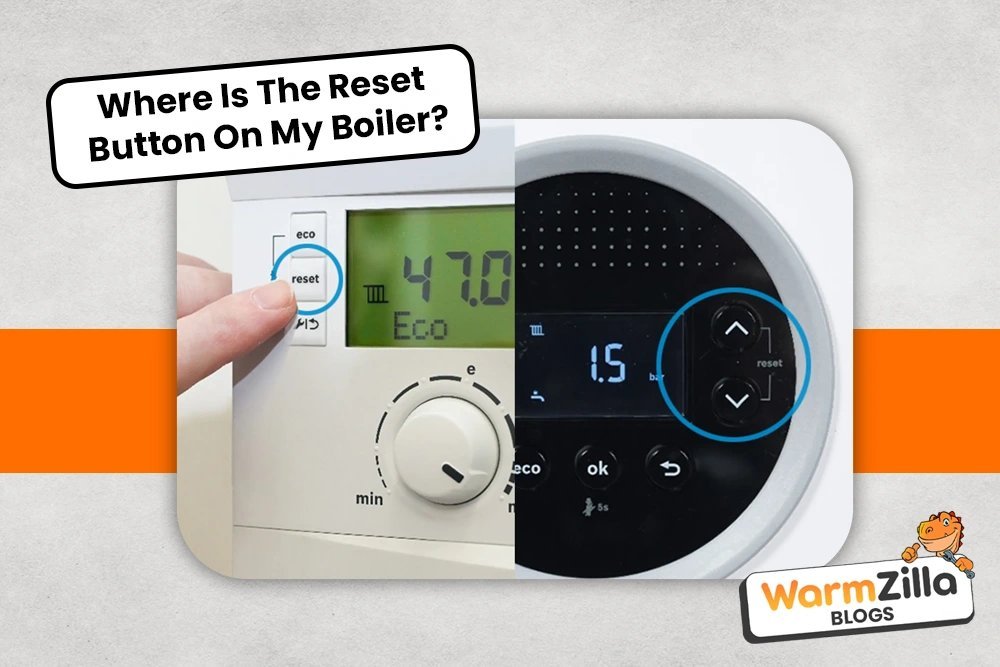
To restart your heating system safely, press and hold the reset button for 3 to 10 seconds—resetting boiler units usually takes just a single button press. Watch for the lockout light to turn off, then release the control and let the unit reignite automatically over the next few minutes.
A lockout happens when built-in safety sensors detect a problem like poor ignition, bad gas supply, or incorrect water pressure. The reset command simply clears the electronic lockout code so the unit can attempt its normal start sequence again.
A common mistake before starting is trying to restart a dry system. If your pressure gauge sits at zero, pushing the button only strains the pump and igniter. The trade-off with modern electronic controls is ease versus diagnostic feedback: a quick restart is easy, but it won’t fix hidden hardware faults. This process isn’t for anyone who smells unburned fuel or spots leaking water.
Safe Ways to Reset Your Boiler
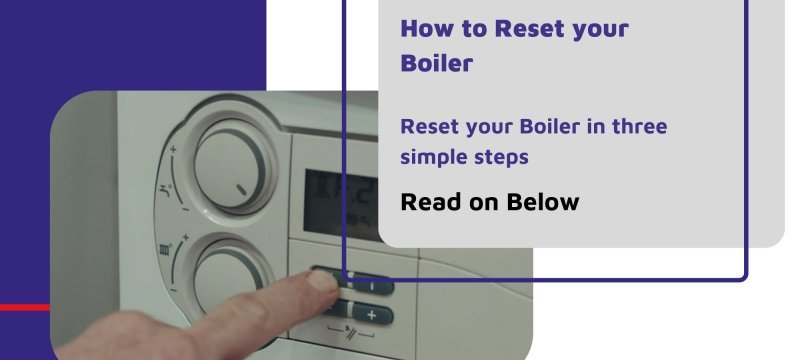
- Note the display screen error code or lockout light pattern to help identify the underlying issue. Write down any numbers before clearing the display screen.
- Check the front water pressure gauge while the unit remains inactive. If the needle rests below 1.0 bar (14.5 psi), use the external filling loop to top it up between 1.0 and 1.5 bar (14.5 to 21.7 psi) before touching any controls. Tip: If you see water pooling underneath the unit, don’t add more water; call an expert instead.
- Locate the reset button on your front control panel, marked clearly with a flame symbol, a letter “R”, or the word “Reset”.
- Press and hold the reset button continuously for 3 to 10 seconds. You’ll hear the internal fan begin to run or see the display screen start flashing. Tip: Never press the button continuously for more than 10 seconds, as some control boards can register this as a stuck switch error.
- Release the button and wait quietly while the electronic ignition sparks and ignites the burner.
- Check your wall thermostat and ensure it sits at least 5°F above current room temperature to call for heat.
- Stop immediately if the burner fails to catch after two attempts. Any further diagnostics require opening the metal casing, testing circuit boards, or handling gas valves—tasks that carry serious danger and require a licensed heating technician.
How Long It Takes
A typical reboot sequence takes only a few minutes from the initial button press to full heat delivery.
| Situation | How long | What changes it | What to watch for |
|---|---|---|---|
| Standard digital lockout | 2 to 3 minutes | Time needed for internal purge fan cycle | Error code clearing to a solid green status light |
| System after low-pressure repressurization | 5 to 8 minutes | Speed of filling loop and air venting | Needle staying steady between 1.0 and 1.5 bar |
| Dial-type selector reset | 3 to 5 minutes | Manual rotation pause (holding knob at “Reset”) | Burner flame icon appearing on the digital display |
| Cold house recovery | 15 to 30 minutes | Radiator volume and room size | Warm pipework running out from the main casing |
If your system runs longer than 10 minutes without firing or warm pipes, switch it off to prevent unnecessary component wear.
How to Tell When It’s Done
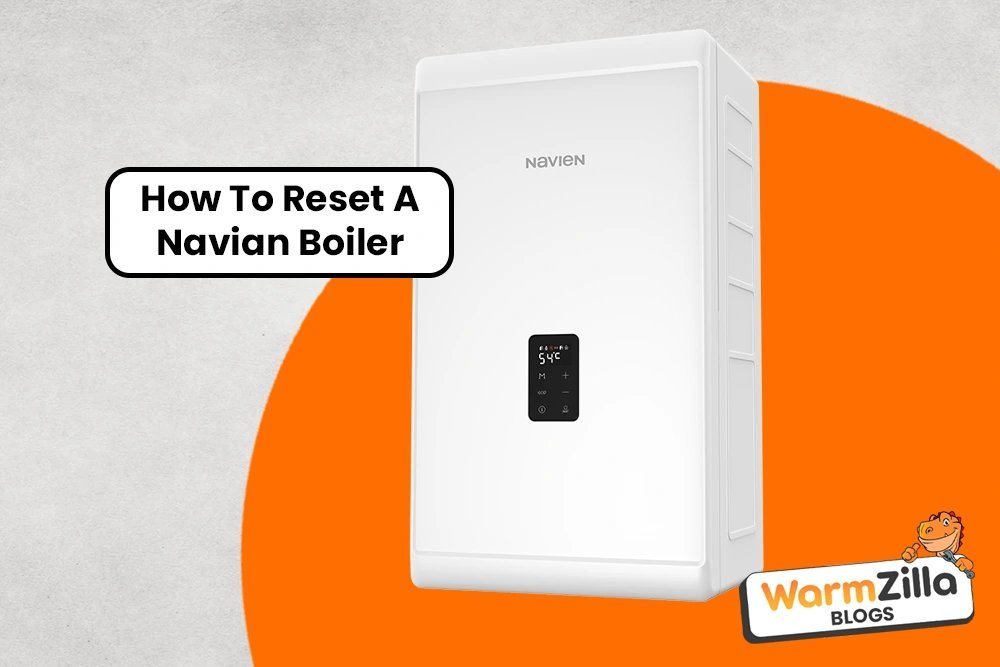
You know the unit has restarted successfully when the blinking red fault light switches to steady green, or the display screen shows normal water temperature. You’ll hear the combustion fan spin up, followed by a faint click of the gas valve and the steady whoosh of the main burner igniting. Check the digital screen for an active flame icon. The single test that settles it’s feeling the flow pipe leaving the casing: it should become hot to the touch within five minutes. If heating fails to travel to your rooms, the Health and Safety Executive gas safety guidelines advise hiring a registered professional rather than attempting internal appliance repairs yourself.
Mistakes That Ruin It
- Pushing the reset button repeatedly: Pressing the control multiple times floods the combustion chamber with raw fuel or overheats the circuit board. Hit the switch once or twice; if the system locks out again, stop.
- Ignoring low system pressure: Resetting when the gauge sits below 1.0 bar causes dry firing that damages the main heat exchanger. Always check the gauge needle and fill the system before pressing the button.
- Overfilling the system loop: Adding too much water pushes pressure past 2.5 bar, which forces the pressure relief valve to dump water outside. If pressure sits above 2.0 bar, drain water from a radiator valve; if pressure sits below 1.0 bar, add water through the loop.
- Leaving the filling loop valves open: Leaving manual valves cracked open slowly overpressurizes the system and causes leaks. Always double-check that both filling valves are shut tight and detach the braided hose if required by local plumbing codes.
Frequently Asked Questions
Can Resetting a Boiler Cause Damage?
No, resetting once or twice won’t harm your system. However, pressing the switch repeatedly when an underlying mechanical defect exists can burn out the spark electrode or flood the combustion chamber. If your heating unit refuses to restart after two separate tries, leave it off and call a technician.
Why Does My Boiler Keep Locking Out?
A recurring lockout usually points to low water pressure, a blocked condensate pipe, a failing pump, or a dirty flame sensor. The unit shuts itself down to prevent dangerous overheating or gas accumulation. You’ll need a licensed professional to inspect internal parts if basic pressure adjustments don’t solve it.
How Many Times Can You Press the Reset Button?
You should press the switch a maximum of two times in a single session. Modern electronic control units often enter an enforced safety freeze if you hit the button too many times consecutively. This varies by model—check the label or user handbook for your exact unit’s safety rules.
Is It Safe to Reset a Boiler When It Smells Like Gas?
No, never touch any buttons, switches, or electrical controls if you smell fuel around the appliance. Pushing a button can produce an internal electrical spark that ignites pooled gas. Evacuate your home immediately, leave the front door open, and call your local gas emergency hotline from outside.
What Happens If the Pressure Is Too High After a Reset?
High pressure causes the safety relief valve to discharge water through an external pipe to protect internal welds. If your gauge shows above 2.5 bar, bleed a small amount of water from a single radiator using a bleed key until the gauge returns to around 1.2 bar.
Why Is There No Response When Pressing the Reset Switch?
The button may be mechanically stuck, or the control board has lost electrical power entirely. Check your main home breaker panel to see if the heating circuit tripped. If the unit has incoming power but the screen stays blank, the main circuit board fuse has likely blown.