
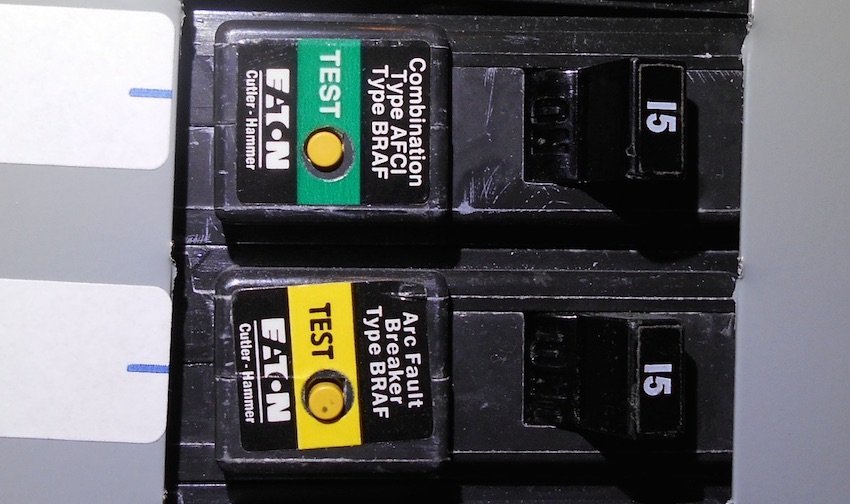
How to reset circuit breaker with test button devices takes less than two minutes: push the handle firmly to the full OFF position until it clicks, then push it back to ON. This method suits anyone dealing with a tripped ground-fault (GFCI) or arc-fault (AFCI) safety breaker in their home panel.
What You’ll Need
- A battery-powered flashlight or headlamp (don’t rely on your phone’s screen light).
- Rubber-soled shoes to wear while standing at the breaker panel.
- A clear, dry path to the service panel with no puddles on the floor.
- Access to the specific tripped safety switch (AFCI, GFCI, or dual-function breaker).
A handheld flashlight works well here, but a candle or open flame doesn’t because panel enclosures can trap dust. If the panel door is rusted shut, warm to the touch, or smells like burnt plastic, step away and call a licensed electrician immediately.
Step-by-Step
- Unplug every appliance, lamp, and computer from the outlets on the dead circuit to remove electrical loads.
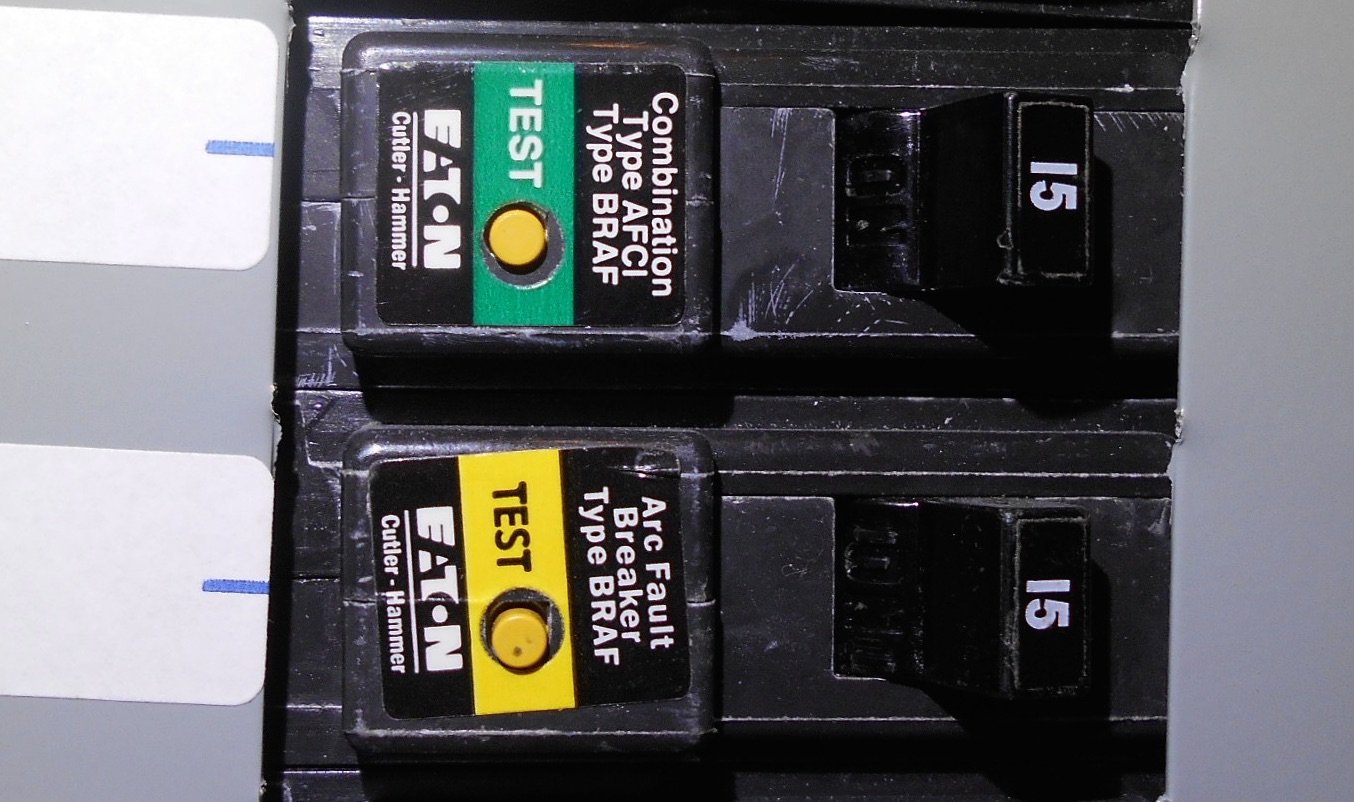
- Open the service panel door and locate the switch with the colored test button that sits stuck between ON and OFF.
- Push the breaker handle firmly toward the OFF wall until you feel and hear a sharp snap.
- Press the small plastic test button once; if the breaker is already fully off, it won’t move, which is normal.
- Push the main handle firmly across to the ON position until it clicks and stays in place.
- Press the built-in test button firmly with your index finger to verify the safety mechanism trips the switch back to the center.
- Reset the handle again by pushing it completely to OFF with firm pressure, then back to ON.
- Plug your appliances back in one at a time to ensure none of them cause a short circuit.
Careful: Don’t skip pushing the switch to full OFF first; trying to force the handle straight from the tripped middle spot to ON will jam the internal spring.
Tip: If you have multiple high-draw devices like heaters, turn them on one by one so you don’t spike the circuit’s total draw instantly.
Any work involving taking off the metal panel cover, touching internal copper bus bars, or using a multimeter requires an electrician, as mains power carries lethal voltages.
Handling Different Panel Situations
Every home panel responds differently based on moisture levels, room loads, and the age of the safety switch.
| Circuit Condition | Reset Effort | Key Difference | What to Watch |
|---|---|---|---|
| Normal nuisance trip | 1 minute | Breaker stays on without resisting | Outlet power returns instantly |
| Overloaded circuit | 2 to 5 minutes | Trips after several devices turn on | Warm plastic smell near plugs |
| Wet area ground fault | 5 to 10 minutes | Trips right away when humidity stays high | Moisture inside outdoor boxes |
| Short circuit in wiring | Stops immediately | Snaps back to center with a pop | Scorch marks on outlet covers |
It’s safer to leave a breaker off and plug in one device at a time than to overload the line and force another trip.
How to Tell You Did It Right
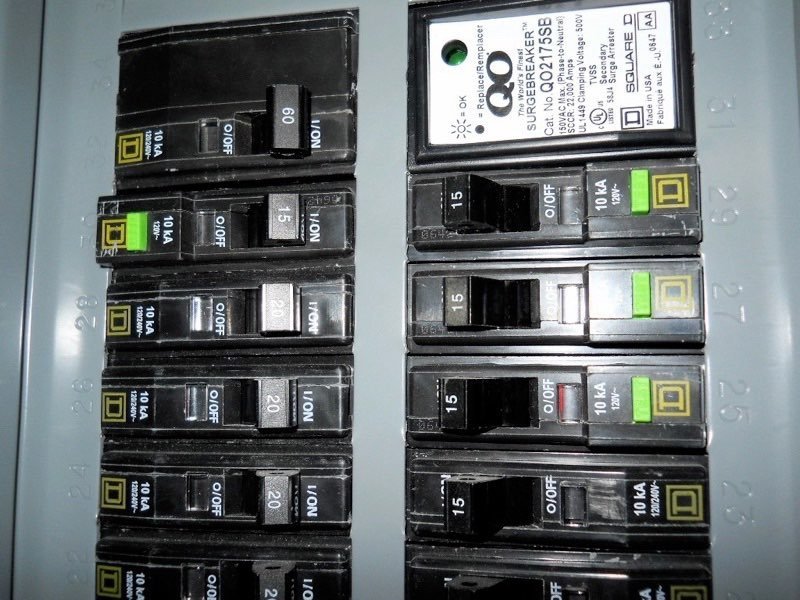
A correct reset leaves the breaker switch aligned with the other active switches in the column. The handle feels stiff, stays firmly in the ON position, and doesn’t wobble loose. In contrast, a failed reset leaves the switch loose in the middle, or it immediately snaps back off with a loud click. Breakers trip instantly when a direct ground fault or broken wire exists inside your walls. The trade-off of these sensitive breakers is that harmless motor spikes can sometimes trip them, but that sensitivity prevents electrical fires. If you have an old breaker with loose spring clips, this isn’t for that setup—replace old hardware instead. A common mistake people make is taping the breaker handle in the ON position, which won’t prevent the internal trip mechanism from opening the circuit.
Safety Standards and Routine Testing
The Consumer Product Safety Commission AFCI safety guide recommends testing safety breakers monthly to ensure the internal sensing circuits work properly. After you finish testing, record the date on a piece of tape inside the panel door, turn off your flashlight, and latch the main metal cover door shut. These safety trip components usually protect the circuit reliably for their standard operating life, though this varies by model—check the label. If the test button fails to trip the breaker when pressed, the sensing coil has died, and a licensed electrician must replace the unit.
Alternative Safety Checks
Resetting a Gfci Receptacle Directly
If a wall outlet has its own “Reset” and “Test” buttons, push the reset button right on the wall face. This costs nothing and takes ten seconds, saving you a trip down to the main service panel.
Shedding Electrical Branch Load
If your breaker trips only when two appliances run together, move the higher-draw appliance to an outlet on another wall. This prevents overload trips entirely without buying new hardware or calling a repair service.
Hiring a Licensed Electrical Contractor
If a breaker trips immediately with nothing plugged in, a professional must trace the circuit wires. This costs a standard service call fee, but it eliminates the risk of dealing with dangerous live branch lines.
Frequently Asked Questions
Can a Circuit Breaker Test Button Go Bad?
Yes, the internal electronics inside AFCI and GFCI breakers can fail over time from power surges. When this happens, pressing the button does nothing, meaning the breaker no longer provides ground-fault or arc-fault protection. You must have a professional replace the unit.
Why Won’t My Breaker Reset After Pressing the Test Button?
It won’t reset because you didn’t push the handle completely to the OFF position first. Safety breakers lock their internal springs when tripped. You must push the lever hard toward OFF until it clicks, and only then flip it back to ON.
Is It Safe to Touch the Breaker Test Button with Bare Hands?
Yes, the test button is made of non-conductive plastic designed for consumer use. As long as the panel dead-front cover remains screwed in place and your hands are dry, pressing the button carries no risk of shock.
How Often Should You Push the Breaker Test Button?
You should press the test button regularly to confirm the trip mechanism works. If the breaker snaps open, reset it; if it doesn’t trip when pressed, call an electrician to replace it.
What Happens If a Breaker Trips Immediately After Resetting?
A dead short circuit or a live ground fault is present on the line. Unplug everything on that run and try once more. If it trips with zero devices attached, stop resetting it to avoid melting your wire insulation.
If the power won’t stay on, don’t keep forcing it. You’ve likely got a damaged appliance plugged into the wall, or loose wiring hidden behind it. Unplug everything in that area and check your switches. When you can’t find the source safely, it’s time to call a licensed electrician.
⚡ Up Next: Recommended Troubleshooting
3 Guides ⏱️ 11 min
How to Reset Carbon Monoxide Detector After Changing Battery: Quick Guide
 ⏱️ 8 min
How to Reset the Smoke Alarm: Quick and Easy Step-by-Step Guide
 ⏱️ 9 min