
Shift your wake-up time forward by 30 to 60 minutes each morning while getting 15 to 30 minutes of direct outdoor sunlight immediately after getting up to reset your circadian rhythm. You’ll pair this with a fixed breakfast time, dim evening lighting, and a consistent bedtime across several days.
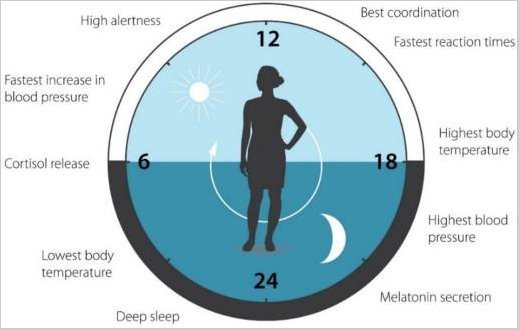
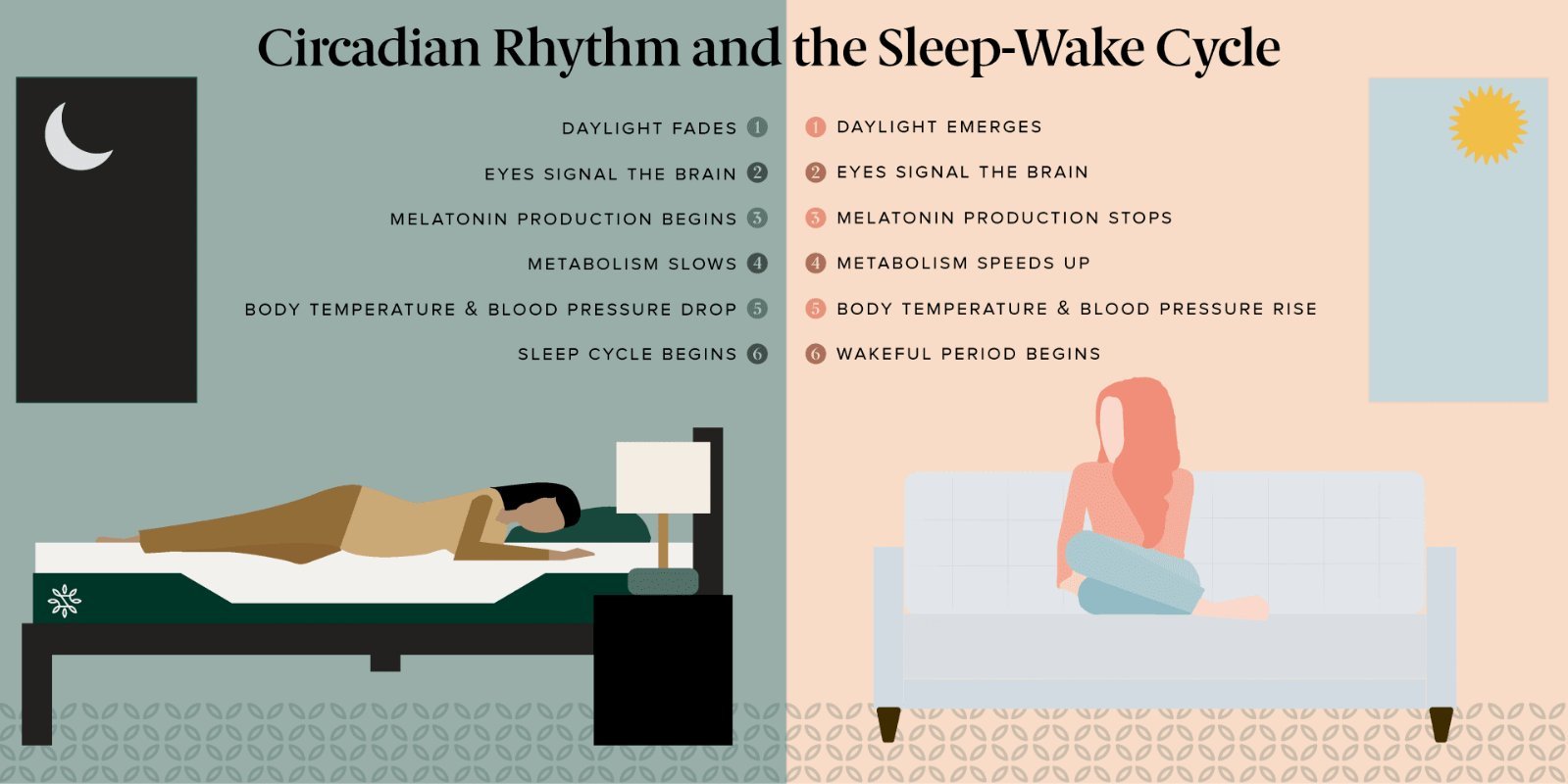
Light signals reach the master clock in your brain’s hypothalamus to control sleep hormones like melatonin. If you get bright light at night, you push that master clock later; if you get bright light at dawn, you pull it earlier.
Changing your bedtime first is the single most common error. When you climb into bed hours early without an actual sleep drive, you end up tossing for hours. This method isn’t for shift workers on rotating night shifts, who require specialized light-therapy schedules.
Daily Routine to Shift Your Body Clock
- Wake up at your target time consistently, including weekends, adjusting by no more than one hour daily. This assumes you sleep indoors; if you camp outside without artificial light, your clock shifts naturally to local sunrise.
- Step outside within 30 minutes of waking to get 15 to 30 minutes of natural sunlight without sunglasses. According to the CDC guidance on circadian rhythms, blue wavelengths in daylight send the primary cue that suppresses melatonin production. Tip: Cloudy mornings still provide ample daylight, but stay outside for 45 minutes instead of 15.
- Eat your breakfast within one hour of rising, keeping meal times within the same 30-minute window daily. Food acts as a secondary time cue that aligns peripheral clocks in your digestive organs with your brain.
- Stop drinking caffeinated beverages at least eight hours before you plan to sleep. A standard cup of drip coffee contains about 95 milligrams of caffeine, which keeps your brain alert if consumed late.
- Turn off overhead lights and put phones away two hours before sleep. If you must use a screen, lower screen brightness to minimum; if you can avoid screens, do so completely to preserve night melatonin. Tip: Blue-light blocking glasses help reduce glare, but dimming the entire room works much better.
- Sleep in a dark room kept at 65 to 68 degrees Fahrenheit. The human body must dump heat to initiate deep sleep cycles smoothly.
How Long It Takes
Shifting your biological clock requires roughly one day of adjustment for each hour of time change.
| Situation | How long | What changes it | What to watch for |
|---|---|---|---|
| Minor schedule creep (1–2 hours late) | 2 to 3 days | Morning sunlight intensity | Mild afternoon tiredness around 2 PM |
| Moderate jet lag (3–5 time zones) | 3 to 5 days | Direction of travel (east takes longer) | Waking up hungry in the middle of the night |
| Severe night owl delay (6+ hours late) | 7 to 14 days | Consistency on weekend mornings | Strong evening alertness during the first four days |
If your routine isn’t shifting after two full weeks, consult a board-certified sleep physician to evaluate for intrinsic sleep phase disorders.
How to Tell When It’s Done

Your body clock has successfully shifted when you fall asleep within 20 minutes of lying down and wake naturally within 10 minutes of your alarm. You should feel genuine mental alertness within 30 minutes of getting out of bed, without relying on caffeine to function. When your sleep-wake schedule and your daytime energy stay stable across a standard weekend without sleeping in, your central circadian pacemaker has locked onto the new schedule. The American Academy of Sleep Medicine notes that healthy adults should function during daylight hours without fighting involuntary daytime drowsiness. If subjective energy scores conflict with morning alertness, trust your wake time consistency as the final metric.
Mistakes That Ruin It
- Sleeping in on weekends: A two-hour weekend lie-in undoes five days of progress by resetting your brain’s morning light timer. Wake up at your target time every single day until the rhythm holds.
- Pulling an all-nighter to reset: Skipping an entire night of sleep creates massive sleep debt rather than true circadian adjustment, costing you days of brain fog. Move your schedule in daily 60-minute increments instead.
- Taking high-dose melatonin late at night: Swallowing 5 to 10 milligrams right before bed creates grogginess the next morning and desensitizes receptors. The trade-off is clear: low doses taken several hours before bed shift timing, while large doses just act as a blunt sedative.
- Exercising hard right before bed: Heavy lifting or running raises your core body temperature and heart rate when they need to drop. Finish high-intensity workouts at least three hours before lights out.
Frequently Asked Questions
Can You Reset Your Rhythm in a Single Day?
No, your central circadian clock can only shift by approximately one hour per day under normal conditions. Attempting to force an immediate eight-hour change creates severe daytime fatigue and digestive upset. You’ll need to move your schedule gradually across several consecutive mornings for long-term results.
How Long Before Bed Should I Stop Looking at Screens?
You should turn off screens two hours before bed to let natural melatonin rise. Backlit displays emit bright blue light that tells your brain it’s daytime. If you must check messages late, dim your display fully and hold it far away from your eyes.
Is It Safe to Use Melatonin Supplements for Clock Resetting?
Yes, short-term use of 0.5 to 1 milligram taken four to five hours before your target bedtime is generally safe for shifting sleep phase. However, this varies by model and brand—check the label for purity and dosage. Always consult a healthcare provider for ongoing sleep problems.
What Happens If You Skip Morning Sunlight?
Skipping morning sunlight delays the shutoff of melatonin, leaving you groggy for several hours. Your master body clock will drift later by default, making it harder to fall asleep that evening. Even five minutes on a balcony helps stop this drift when you lack time.
Why Do I Wake Up at 3 Am Every Night?
Waking at 3 AM usually happens because of evening alcohol consumption, stress spikes, or room temperature shifts. Alcohol disrupts normal sleep architecture during the second half of the night as your liver metabolizes it. Keep your bedroom cold and stop drinking alcohol four hours before bed.