How to reset a bike lock: it takes about 60 seconds once you open the shackle with the current code and turn the internal reset collar 90 degrees clockwise. You set your new numbers, turn the dial back, and close the lock. This standard method suits anyone with a modern four-digit or five-digit combination cable lock.
What You’ll Need
- Your current combination (the factory default is usually 0-0-0-0).
- The bike lock itself, clean and free of packed road grit.
- A flathead screwdriver (size 1 or 2), required only for recessed screw-type reset dials.
- A small flashlight to see alignment tick marks inside dark plastic collars.
- A notebook or your phone’s secure notes app to store the new code immediately.
A standard flathead screwdriver works well for turning stubborn reset dials, but a butter knife won’t because it slips and rounds out the soft plastic slot. If your lock has a frozen core or seized dials, contact a local locksmith rather than forcing it with power tools.
Step-by-Step
- Turn the 4 or 5 numbered dials to the opening combination along the raised indicator line.
- Pull the locking shackle straight out from the housing body so the lock is fully open.
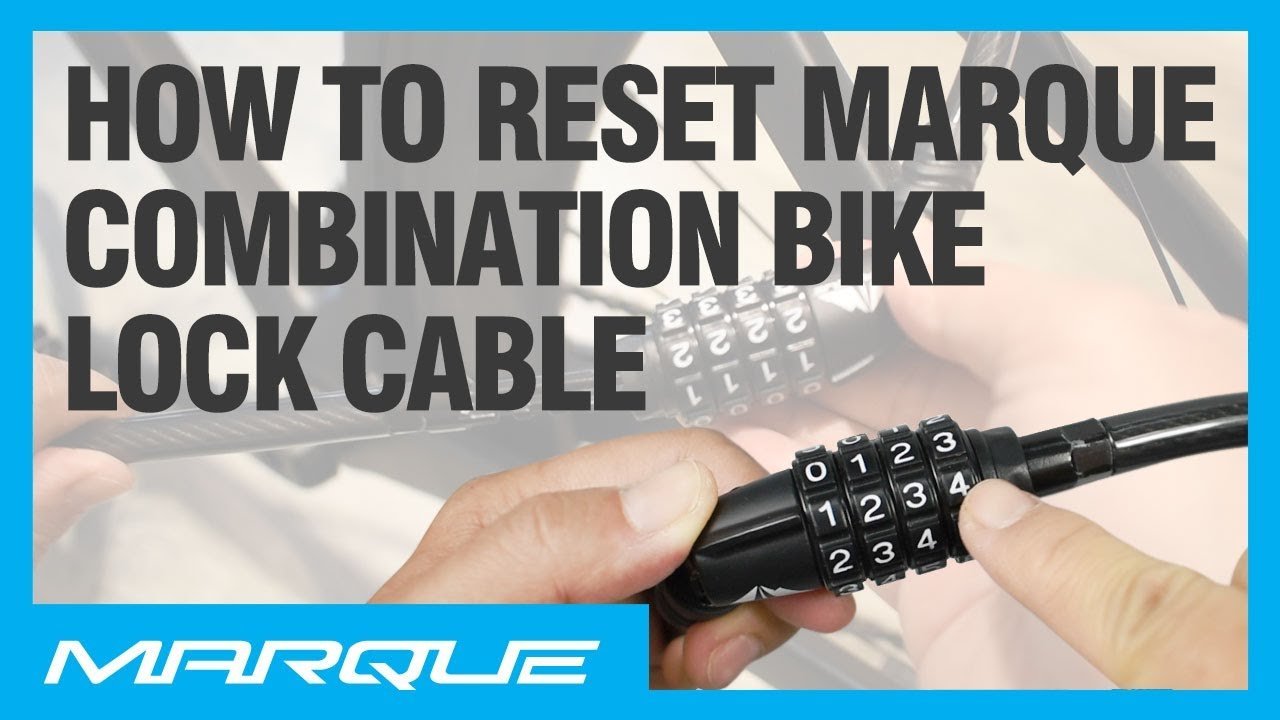
- Locate the reset mechanism on the inside rim of the housing, which is usually a raised rotating ring or a recessed plastic screw.
- Rotate the reset collar exactly 90 degrees clockwise until it clicks firmly into its set position. Careful: If you feel heavy resistance, stop immediately; forcing the collar past its stop point will crack the internal plastic gates and ruin the mechanism.
- Spin the numbered dials to your chosen new combination, lining up each digit precisely with the index guide. Tip: If you pick a code, avoid obvious patterns like 1-2-3-4; if you pick random digits, avoid repeating the same number across all dials.
- Turn the reset collar exactly 90 degrees counter-clockwise back to its starting position.
- Push the steel shackle back into the housing until it seats securely.
- Scramble all the dials at least 3 full turns away from your new combination to test the locking latch. Tip: Pull the shackle firmly to confirm it’s locked, then enter your new digits to make sure it opens before putting it on your bike.
Resetting Different Lock Designs
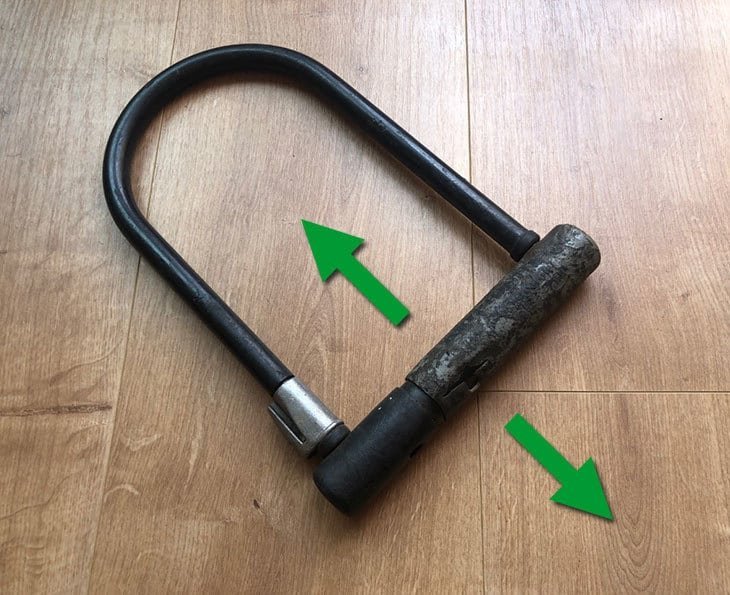
Different lock shapes handle code changes through distinct internal mechanisms.
| Lock Type | Time Needed | Reset Mechanism | What to Watch |
|---|---|---|---|
| Standard Cable Lock | Under 1 minute | Rotating end-collar | Collar must seat fully at 90 degrees |
| Heavy-duty Chain Lock | 1 to 2 minutes | Spring-loaded push lever | Lever must stay depressed while setting |
| Combination U-Lock | 2 minutes | Base screw or slider | Shackle must be completely removed |
It’s much safer to start by turning dials gently and checking each click than to overshoot with heavy force, which can permanently misalign the internal tumblers.
How to Tell You Did It Right
A correct reset leaves the dials turning smoothly without catching between numbers. When you scramble the dials, the shackle stays locked tight inside the housing with no rattling or play. A poor reset leaves the shackle stuck or lets the lock open under random numbers. This failure happens when a dial sits halfway between two digits while you twist the reset collar backward, which traps the internal locking pins in a false gate. You can prevent this mistake by pressing every dial flat into its groove, shining a light on the alignment ridge, and keeping the dials totally stationary while returning the collar to its original spot.
Security Standards and Code Storage
Lock security ratings from testing organizations like Sold Secure pedal cycle approvals evaluate physical cut and pick resistance rather than combination resets. After resetting your lock, wipe away loose dust or road grime from the dial grooves with a clean, dry rag. Write down your new combination right away; human memory fades, and an forgotten combination can’t be recovered without destructive cutting. This reset adjustment lasts indefinitely until you choose to change the numbers again. If you lose your combination completely, an angle grinder or hydraulic cutter handles removal, which requires safety gear and professional assistance from a bike shop.
Alternative Reset Methods
Key-Assisted Reset Locks
Some security cables use a physical master key to release the combination mechanism. You turn the key a quarter-turn, spin your dials, and pull the key back out. This method takes under 30 seconds and eliminates plastic collars, but you must keep the physical master key safe.
Spring-Loaded Push Buttons
Several heavy U-locks use a recessed slider pin on the lock bottom. You press and hold the spring pin with a ballpoint pen while changing digits. This removes the need for tools, though holding continuous pressure for a minute tires your hand and risks dropping the pin early.
Preset Non-Resettable Locks
Fixed combination cables arrive with a permanent factory number printed on an aluminum tag. This design offers no reset method at all, meaning zero setup effort. The trade-off is lower personal convenience, as you must memorize an arbitrary number rather than choosing an easy-to-recall date or code.
Frequently Asked Questions
Can You Reset a Bike Lock If You Forgot the Code?
No. You must open the lock with the active combination before the internal reset collar can physically move. Without the code, you must decode the lock manually by feel, test all possible number sequences, or cut the lock off with an angle grinder.
What Happens If the Dials Turn While Closing the Reset Ring?
The lock accepts whatever digits were showing when the ring closed. If a dial shifted halfway between numbers, the internal discs catch on the wrong tooth. This sets an unknown code, and the lock will fail to open once you close the shackle.
Is It Safe to Use Wd-40 on Sticky Lock Dials?
No. Standard WD-40 leaves a thin residue that attracts fine dirt, dust, and road grime into the small dial tracks over time. Use a dedicated dry Teflon or graphite lubricant instead to loosen stiff combination wheels without gumming up the internal tumblers.
Why Won’t My Reset Collar Turn?
The shackle is usually not pulled out far enough, or the dials aren’t aligned with the index mark. Many brands include a safety lockout that freezes the collar unless the opening combination lines up flat against the housing guide.
How Long Does a Combination Lock Mechanism Last?
A good bike lock lasts many years if you keep road grit out of the tumblers and protect the plastic housing from hard ground impacts. However, lock lifespans vary by model, brand, and weather exposure, so check the manufacturer label for specific care instructions.
Who Is This Lock Reset Method Not For?
This guide isn’t for riders who use keyed disc-detainer locks or high-security electronic smart locks. Those products don’t have user-adjustable tumblers, requiring specialized dealer software, app permissions, or key replacement cards from the maker instead.