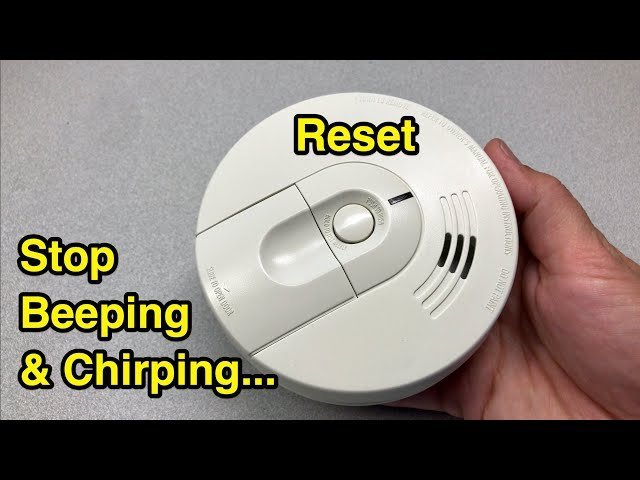
Resetting smoke detector alarm units requires pressing and holding the front test button for 15 to 20 seconds after disconnecting power, which drains residual charge and stops false chirps. This simple process clears false alarms in about two minutes. It suits homeowners and renters dealing with nuisance alarms from cooking smoke, steam, or routine battery swaps.
Things You Need to Reset Your Smoke Detector
- A sturdy step stool or a 4-foot stepladder with rubber feet.
- A fresh brand-name 9-volt alkaline battery, or two AA batteries if your unit requires them (check the back compartment).
- A microfiber cloth to wipe the sensor face.
- A can of compressed air with a thin nozzle attachment.
- A flat-head screwdriver, only if your model uses a locking pin on the mounting bracket.
You can swap compressed air for a soft vacuum brush attachment, but you can’t use damp rags or kitchen sprays because moisture ruins the sensor chamber. If your ceiling is higher than 10 feet, don’t balance on chairs; get an extension ladder or call a handyman.
Step-by-Step
- Switch off the circuit breaker that powers your home fire alarms, assuming you have hardwired units.
- Turn the alarm body counter-clockwise about one inch to unlock it from the ceiling bracket.
- Unplug the plastic wiring harness from the back of the alarm by squeezing its side latches.
- Open the battery door, take out the old battery, and set it aside for disposal.
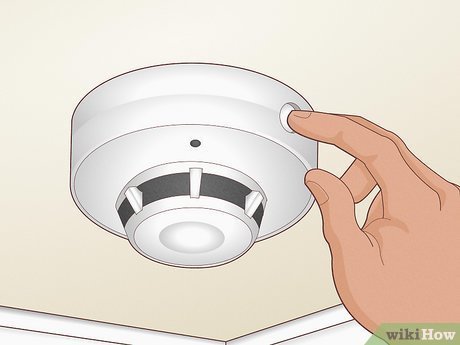
- Press and hold the “Test/Hush” button down for 15 full seconds while the unit is completely unpowered.
- Blow 2 quick bursts of compressed air into the sensor gaps around the outer case to clear out loose dust.
- Insert 1 brand-new battery into the compartment, paying close attention to the positive and negative poles.
- Plug the plastic wiring connector back into the rear terminals until it clicks firmly into place.
- Mount the detector back onto the ceiling ring and turn it clockwise until it locks tight.
- Turn the breaker back on at your main electrical panel.
- Hold the test button until the alarm sounds loudly, confirming normal operation.
Careful: Hardwired units connect to house voltage, so never touch exposed copper wires on the harness while the circuit breaker stays on.
Tip: If X is a single chirping alarm, test that exact unit; if Y is every alarm in the house sounding at once, head straight to your electrical panel to reset the main fire circuit.
Alarm Behavior by Setup
| Setup type | Time to complete | Main technical difference | What to monitor closely |
|---|---|---|---|
| Battery-only unit | 3 to 5 minutes | No wiring harness to disconnect | Watch for a flashing red LED every 40 seconds |
| Hardwired interconnected | 8 to 12 minutes | Connected to home electrical breaker | Listen if other linked alarms beep during test |
| Smart or Wi-Fi connected | 5 to 10 minutes | Linked to a mobile phone app | Confirm the mobile app status switches to clear |
It’s much safer to start by cleaning dust and swapping batteries before touching wall switches, rather than replacing the whole unit on the first try.
How to Tell You Did It Right
A correct reset leaves the alarm quiet, with its power LED flashing green or red once every 40 to 60 seconds. A bad reset results in a high-pitched chirp every minute, meaning low voltage or trapped debris remains inside. Trapped dust particles can reflect light into the sensor chamber, tricking the detector into triggering a false alarm.
You trade convenience for quiet when you take the unit down, but skipping the compressed air step guarantees the chirping comes back by morning. Prevent this by vacuuming the outer cover whenever you clean, using fresh batteries from the same production pack, and keeping steam away from hallway sensors. This guide isn’t for people with central commercial fire panels, which need a certified technician to clear trouble codes.
Standard Maintenance and Safety Codes
According to NFPA smoke alarm guidelines, you should test all residential units at least once a month using their built-in test buttons. Put your ladder away immediately after testing so nobody trips over it. Make sure you write the replacement date inside the battery door with a permanent marker.
This reset lasts until the battery drops voltage or dust builds up again, which takes about six to twelve months. This varies by model — check the label inside the casing for exact maintenance schedules. When an alarm unit reaches ten years past its manufacturing date, safety rules require full unit replacement. If your ceiling wiring looks scorched, stop immediately and hire a licensed electrician.
Other Ways to Clear False Alerts
Temporary Hush Button Press
Push the center hush button once during minor cooking smoke. This desensitizes the sensor for roughly 8 to 10 minutes without cutting power or draining the backup battery, making it the fastest response for cooking accidents.
Complete Breaker Box Power Cycle
Walk to the breaker box and switch the alarm fuse off for 60 seconds, then flip it back on. This resets the whole interconnected circuit across every room without needing a ladder, though dirty sensors will still require manual cleaning.
Full Unit Replacement
Unscrew the mounting plate, detach the wire harness, and snap in a brand-new detector. This costs more money than a simple battery swap, but it permanently solves non-stop chirping caused by expired sensors or failed internal circuit boards.
Frequently Asked Questions
Why Does My Alarm Chirp After Changing the Battery?
Residual electrical charge inside the internal capacitor often tricks the unit into thinking the old battery is still inside. Press and hold the test button for 15 seconds with the battery out to drain that charge completely before installing the new one.
Can Low Indoor Temperature Cause False Alarms?
Yes, cold air drops battery terminal voltage, which triggers the low-battery warning tone. This issue happens most often during the coldest hours of early morning or in unheated garages and drafty attics.
How Long Does the Hush Feature Silence the Horn?
About 8 to 10 minutes is the standard hush duration for modern alarms. The detector automatically resets itself to full sensitivity after that window passes, sounding again if heavy smoke still fills the room.
What Happens If I Put the Battery in Backward?
The alarm simply won’t power on, and many modern units feature a plastic lockout lever that prevents the door from closing. Check the metal terminals to align the flat negative base with the larger bracket clip.
Is It Safe to Paint Over a Chirping Smoke Detector?
No, wet paint clogs the sensing vents and permanently ruins the internal sensor chamber. Never spray paint, cover the vents with tape, or coat the plastic casing with primer to hide an alarm.
Does Compressed Air Damage the Alarm Sensor?
No, compressed air is the maker-approved tool for clearing dust, pet dander, and small insects. Keep the can upright and use brief puffs from a few inches away to avoid spraying cold liquid propellant.
Take a quick look at the small date stamped on your device’s back plate before you walk away. If it’s been on your ceiling for a decade, it won’t keep you safe anymore. Pick up a fresh unit this weekend so you don’t have to worry about future malfunctions.